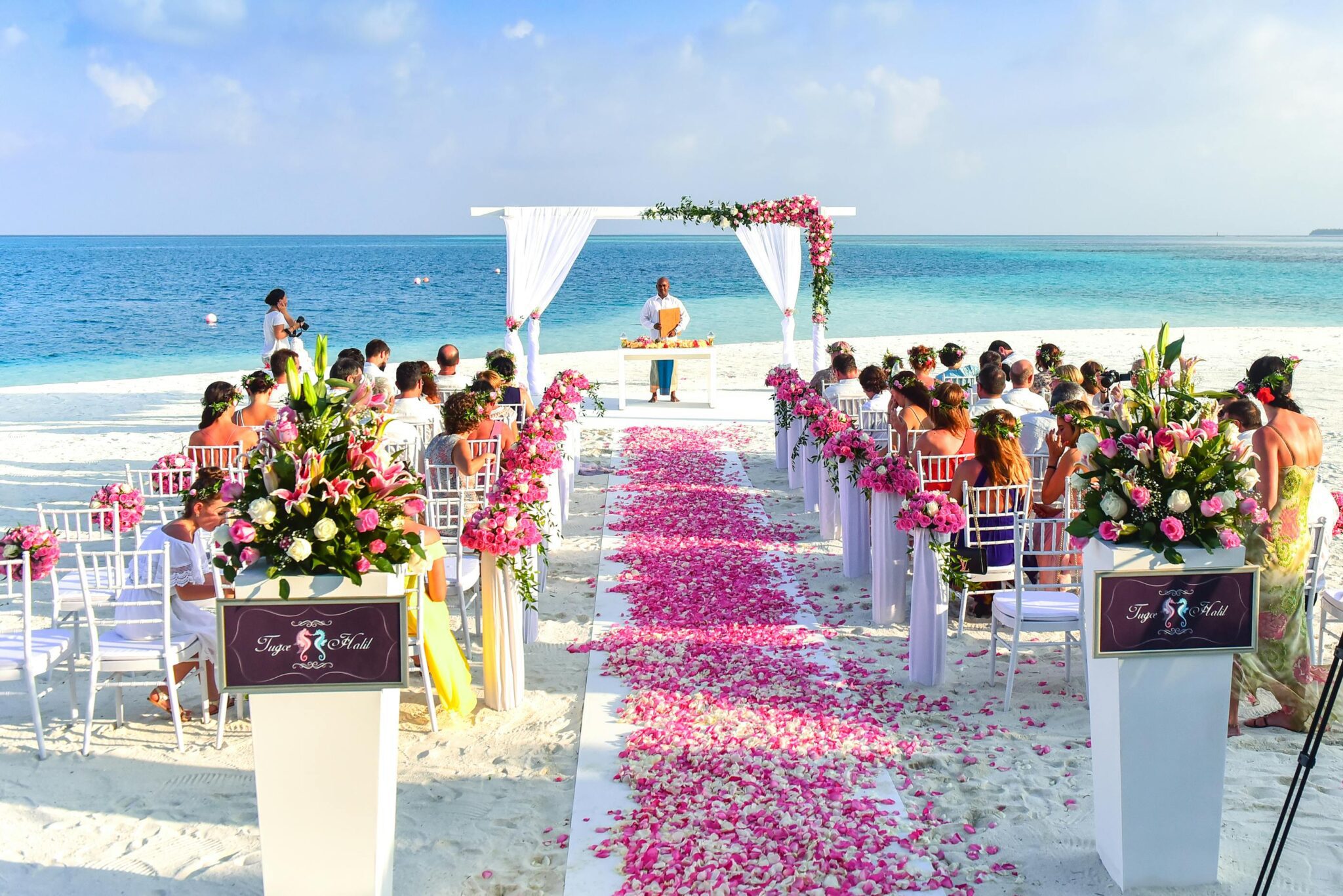
Destination weddings continue to attract couples who want more than a single-day celebration. They offer an opportunity to bring together travel, meaningful experiences, and a carefully chosen setting that reflects personal style. Colorado, for example, hosts over 300 days of sunshine each year, making it a sought-after location for outdoor ceremonies. Still, while the idea feels exciting, planning a wedding away from home requires thoughtful coordination. Every decision, from logistics to guest comfort, needs to be approached with clarity and intention.
Planning from Afar: Bridging Vision with Local Expertise
Planning remotely introduces a level of complexity that many couples do not expect at first. You often rely on virtual tours, email communication, and occasional site visits to make important decisions. Because of this distance, it can be harder to evaluate vendors, track timelines, and understand location-specific challenges that may affect your event.
To handle this more effectively, many couples turn to planning resources tailored to their chosen destination. A Colorado destination wedding guide can help you understand what is required and when each step should happen. With this structure in place, you can move forward with confidence and reduce the risk of last-minute issues.
Understanding Local Marriage Laws and Legal Requirements
Marriage laws vary widely depending on where you choose to host your wedding. Some locations require specific documentation, waiting periods, or in-person applications. If you are not familiar with these requirements early on, you may face delays that affect your ceremony timeline.
It is often helpful to research whether completing the legal portion in your home state is a simpler option. This allows you to focus on the symbolic and experiential aspects of your destination celebration without added administrative pressure during your trip.
Managing the “Hidden” Logistics of Transport
Transporting key items for your wedding can quickly become more complicated than expected. Wedding attire, especially formalwear, requires careful handling during travel to avoid damage or delays. Airlines have specific policies, so planning ensures everything arrives in excellent condition.
Décor and specialty items present another challenge. Shipping costs, timing, and potential damage can create unnecessary stress. Many couples find it more efficient to source or rent items locally, which simplifies setup and reduces the risk of missing essential pieces upon arrival.
Guest Accessibility and Travel Coordination
Choosing a location that guests can easily reach makes a noticeable difference in attendance and the overall experience. Consider proximity to major airports, availability of wedding limo service, rental cars, and ease of navigation upon arrival. Clear directions and early communication help guests feel confident about their travel plans.
It also helps to provide structured guidance. Share hotel options across different price ranges, along with booking deadlines. When guests know what to expect in terms of cost and timing, they are more likely to commit early and arrive relaxed rather than rushed.
Considering Seasonality and Climate Factors
The time of year you select will shape everything from attire to scheduling. Mountain destinations can shift quickly between warm afternoons and cool evenings, while coastal areas may bring humidity or wind. Reviewing historical weather patterns allows you to plan more effectively.
You should also build flexibility into your timeline. Indoor backup options, thoughtful dress recommendations, and hydration planning for higher elevations can prevent discomfort. Guests will appreciate these details, especially if they are unfamiliar with the environment.
Budgeting for the Unseen Costs
Destination weddings often include expenses that are easy to overlook during early planning. Vendor travel fees, permits, and location-based service charges can add up quickly. These costs vary by region, so researching them in advance helps you avoid surprises.
It is also wise to allocate a buffer within your budget. Unexpected adjustments, such as last-minute rentals or extended vendor hours, are common. A flexible budget allows you to maintain quality without making stressful compromises close to the event date.
Curating a Localized Guest Experience
A destination wedding offers a chance to introduce guests to a new place in a meaningful way. Thoughtful welcome bags with local items, maps, and itineraries help guests settle in and feel included from the start.
You can also plan optional group activities that reflect the location. Whether it is a guided outing or a relaxed gathering, these moments create shared experiences beyond the ceremony. They encourage connection and make the event feel more intentional.
Working with Local Vendors and Coordinators
Local vendors bring valuable knowledge about the area, including timing, setup logistics, and regional preferences. They often have established relationships with venues, which can improve coordination and reduce miscommunication.
Hiring a local coordinator can further streamline the process. They serve as your point of contact on the ground, handling the details while you focus on the bigger picture. This support becomes especially important when you cannot be present for every decision.