In recent years, impact investing has moved from a niche strategy to a mainstream priority for institutional and private investors alike. Today’s investors are no longer satisfied with simply allocating capital to “good causes.” They want measurable proof—clear, verifiable evidence that their money is driving real social and environmental change. This growing demand for accountability is reshaping the investment landscape, and technology is at the center of this transformation.
The Transparency Gap in Traditional Impact Investing
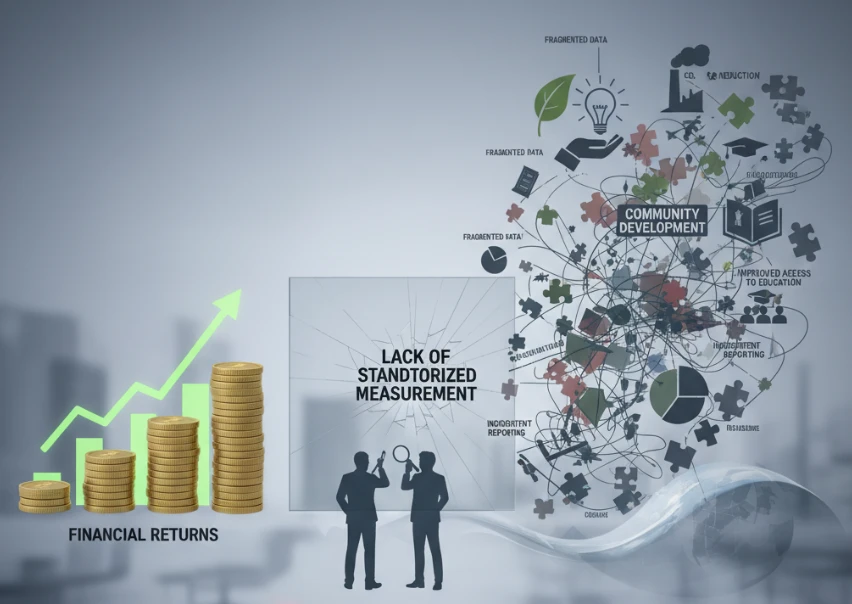
Historically, one of the biggest challenges in impact investing has been the lack of standardized measurement. While financial returns are easy to quantify, social and environmental outcomes are far more complex. Metrics such as carbon reduction, community development, or improved access to education often rely on fragmented data sources and inconsistent reporting frameworks.
This lack of transparency creates friction. Investors may struggle to compare opportunities, verify claims, or track long-term outcomes. As a result, trust becomes a critical issue—especially as concerns about “impact washing” continue to grow.
The Rise of ESG Data Platforms
To address these challenges, the industry is increasingly turning to advanced ESG (Environmental, Social, and Governance) data platforms. These systems aggregate large volumes of structured and unstructured data—from satellite imagery and IoT sensors to company disclosures and third-party audits—and transform it into actionable insights.
Modern ESG platforms go beyond static reports. They enable real-time tracking of sustainability metrics, allowing investors to monitor portfolio performance across multiple impact dimensions. For example, carbon emissions can be tracked continuously, while supply chain transparency can be enhanced through blockchain-based verification.
These platforms also support standardized scoring systems, making it easier to compare investments across sectors and geographies. As a result, investors can make more informed decisions based not only on financial performance but also on measurable impact.
Artificial Intelligence and Predictive Impact Analysis
Artificial intelligence is playing a crucial role in advancing transparency. Machine learning models can analyze vast datasets to identify patterns, assess risks, and even predict future impact outcomes. This is particularly valuable in areas where direct measurement is difficult or delayed.
For instance, AI can estimate the long-term environmental benefits of renewable energy projects or forecast the social impact of microfinance initiatives. By combining historical data with predictive analytics, investors gain a more comprehensive view of potential outcomes.
Moreover, natural language processing (NLP) tools can scan corporate reports, news articles, and regulatory filings to detect inconsistencies or greenwashing signals. This adds an additional layer of due diligence, helping investors separate genuine impact from marketing narratives.
Blockchain and Verifiable Impact
Another breakthrough technology driving transparency is blockchain. By creating immutable records of transactions and impact data, blockchain ensures that information cannot be altered or manipulated after it is recorded.
This is particularly useful in supply chain tracking and carbon credit markets. For example, each step of a product’s lifecycle—from raw material sourcing to final delivery—can be recorded on a decentralized ledger. Similarly, carbon offset projects can be verified and audited in real time, reducing the risk of double counting or fraud.
The result is a higher level of trust between investors, companies, and stakeholders. Transparency is no longer based on self-reported data alone but on verifiable, tamper-proof records.
The Role of Integrated Software Solutions
While the potential of these technologies is significant, implementing them requires sophisticated infrastructure. ESG data is often complex, multidimensional, and constantly evolving. Integrating data from multiple sources, ensuring accuracy, and presenting it in a user-friendly format is a major technical challenge.
To build robust platforms that can track complex sustainability metrics in real-time, many investment firms collaborate with a dedicated software development company to ensure data integrity and user-friendly reporting.
These collaborations enable the creation of customized solutions tailored to specific investment strategies, regulatory requirements, and reporting standards. From intuitive dashboards to automated compliance tools, technology providers play a key role in making transparency both scalable and accessible.
Regulatory Pressure and Standardization
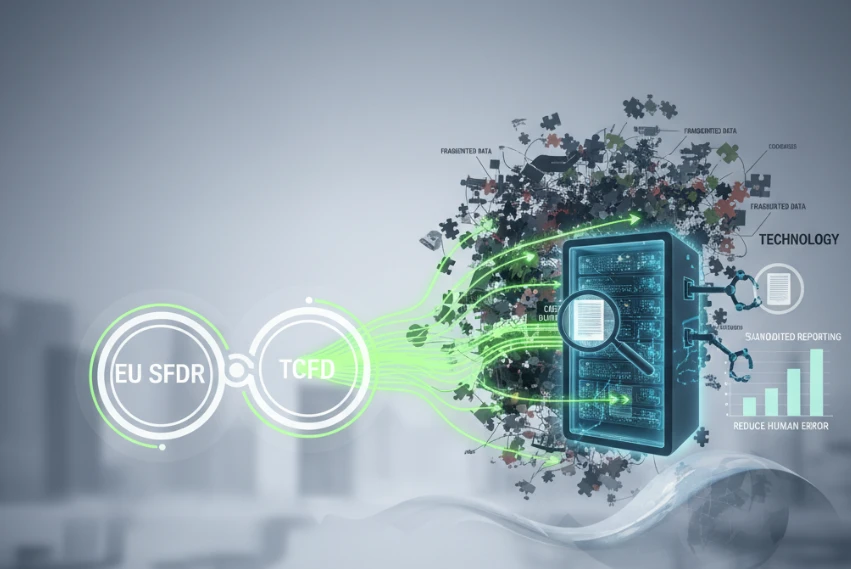
Regulators are also accelerating the shift toward transparency. Frameworks such as the EU Sustainable Finance Disclosure Regulation (SFDR) and the Task Force on Climate-related Financial Disclosures (TCFD) are pushing organizations to adopt more rigorous reporting practices.
Technology is essential in meeting these requirements. Automated reporting systems can streamline compliance, reduce human error, and ensure that disclosures are both timely and accurate. At the same time, standardized data models are emerging, making it easier to compare ESG performance across different markets.
As regulation evolves, the integration of technology into impact investing will become not just an advantage, but a necessity.
A New Era of Trust and Accountability
The convergence of ESG platforms, artificial intelligence, and blockchain is ushering in a new era of transparency in impact investing. Investors now have access to deeper insights, more reliable data, and tools that enable continuous monitoring of both financial and non-financial performance.
This shift is redefining the relationship between capital and impact. Transparency is no longer a secondary consideration—it is a core expectation. Investors want to see not just where their money goes, but what it achieves.
As technology continues to evolve, the gap between intention and measurable impact will continue to narrow. In doing so, it will strengthen trust, improve decision-making, and ultimately drive more meaningful and scalable change across the global economy.