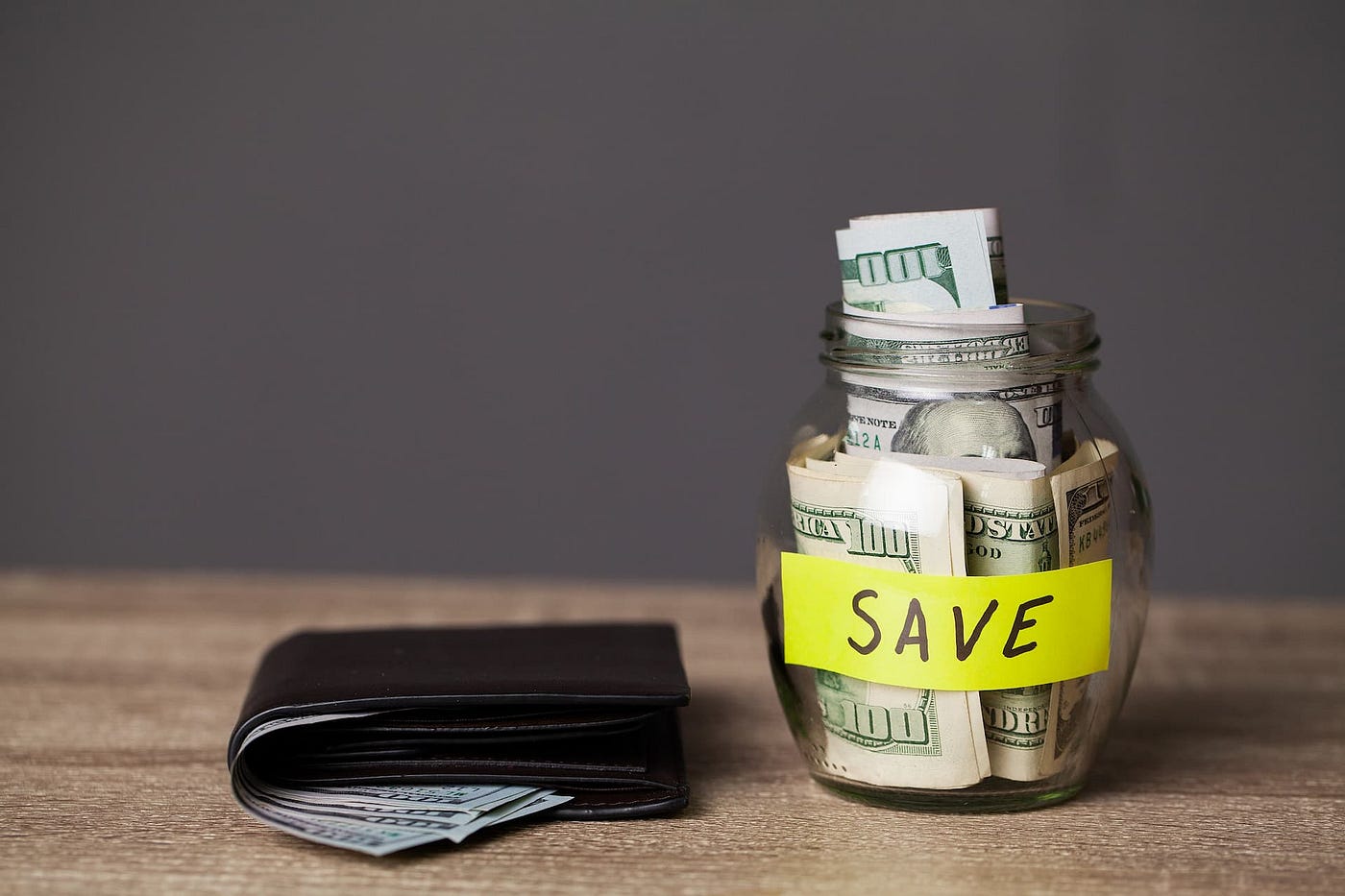
Saving money can feel challenging, especially when living on a tight budget. Unexpected expenses, rising bills, and daily necessities can make it difficult to set aside funds. However, with a strategic approach and small lifestyle adjustments, it’s possible to save money quickly without sacrificing your essentials.
This guide will provide practical, actionable ways to cut costs, optimize spending, and boost savings while staying at home. It also ties into broader financial planning, complementing resources like the Step-by-Step Guide to Building an Emergency Fund from Scratch.
Step 1: Track Your Expenses
The first step to saving money is understanding where it goes.
-
Record every expense: Track bills, groceries, subscriptions, and discretionary spending.
-
Identify patterns: Look for recurring payments, unnecessary purchases, or areas to cut back.
-
Use budgeting apps or spreadsheets: Tools can make tracking faster and more accurate.
By knowing exactly how your money is spent, you can make informed decisions about where to reduce costs.
Step 2: Reduce Utility Bills
Utility costs can take a significant portion of a monthly budget.
-
Electricity: Turn off lights and electronics when not in use, use energy-efficient bulbs, and unplug devices.
-
Water: Fix leaks, use low-flow faucets, and take shorter showers.
-
Heating and Cooling: Adjust thermostat settings, insulate your home, and use fans or blankets when appropriate.
-
Internet and Phone: Compare providers for better deals, remove unnecessary services, or negotiate existing plans.
Even small reductions can accumulate into significant savings over a few months.
Step 3: Cut Grocery Costs
Groceries are one of the largest recurring expenses for most households.
-
Plan meals: Make a weekly menu to avoid impulse buys.
-
Buy in bulk: Purchase staple items in larger quantities to reduce unit costs.
-
Use coupons and discounts: Take advantage of store promotions, loyalty programs, and cashback apps.
-
Cook at home: Preparing meals at home is usually cheaper than ordering takeout.
-
Minimize food waste: Store leftovers properly and repurpose ingredients.
Smart grocery planning can save hundreds of dollars annually.
Step 4: Limit Subscription Services
Many households pay for multiple subscriptions—streaming platforms, apps, or online memberships—that may not be fully used.
-
Audit subscriptions: Cancel or pause services you rarely use.
-
Share services: Share streaming accounts with family or friends to split costs.
-
Seek free alternatives: Explore ad-supported or free tools for entertainment, education, or productivity.
Reducing unnecessary subscriptions is an easy and immediate way to free up cash.
Step 5: Cut Transportation Costs
Even if you don’t commute daily, transportation can impact your budget.
-
Walk or bike: For short trips, this saves fuel and transportation fees.
-
Public transportation: Consider using buses or trains instead of driving.
-
Carpool: Share rides to reduce fuel costs.
-
Limit delivery services: Avoid frequent food or grocery deliveries, which add up over time.
Minimizing transportation costs contributes directly to faster savings.
Step 6: Set Up Automatic Savings
Even on a tight budget, saving small amounts consistently can grow over time.
-
Automate transfers: Set up automatic transfers from checking to a separate savings account.
-
Start small: Even $20–$50 per month can build momentum.
-
Treat savings like a bill: Prioritize it before discretionary spending.
Automating savings reduces the temptation to spend and accelerates your ability to accumulate an emergency buffer.
Step 7: Reduce Household Spending
Small changes around the house can free up cash quickly.
-
DIY cleaning and repairs: Handle minor fixes instead of paying for services.
-
Shop second-hand: Buy clothes, furniture, and other items from thrift stores.
-
Limit impulse purchases: Avoid shopping without a plan.
-
Energy-saving habits: Cook in bulk, unplug appliances, and reduce heating/cooling use.
Even incremental reductions can make a meaningful difference when repeated consistently.
Step 8: Use Cashback and Rewards Programs
Take advantage of cashback apps, rewards cards, or loyalty programs.
-
Cashback apps: Earn money back on groceries, online purchases, and bills.
-
Loyalty programs: Accumulate points to redeem discounts or free products.
-
Credit card rewards: Use responsibly to earn points or cashback without overspending.
While it won’t replace a full savings plan, rewards and cashback can provide extra funds quickly.
Step 9: Avoid Debt and Interest Payments
Debt repayments, especially with high interest, can erode your savings potential.
-
Pay off high-interest debt first: Focus on credit cards or payday loans.
-
Avoid unnecessary new debt: Only borrow when essential.
-
Negotiate rates: Contact lenders to reduce interest or set up manageable payment plans.
Minimizing interest payments ensures more of your money goes directly into savings.
Step 10: Monitor Progress and Adjust
Saving money on a tight budget requires consistent monitoring.
-
Review monthly spending: Adjust strategies if certain expenses creep back in.
-
Track savings growth: Celebrate milestones to stay motivated.
-
Adjust goals: Increase savings contributions as your budget allows.
Regular monitoring keeps your plan realistic and actionable, helping you achieve financial stability faster.
Comparison Table: Quick Savings Strategies
| Strategy | Potential Savings | Implementation Time |
|---|---|---|
| Reduce utility bills | $20–$100/month | 1–2 weeks |
| Cut groceries | $50–$200/month | 1–2 weeks |
| Cancel subscriptions | $10–$50/month | Immediate |
| Limit transportation costs | $20–$100/month | 1 month |
| Use cashback/rewards | $5–$50/month | Ongoing |
| Automate savings | Varies | Immediate |
FAQs
Can I save money fast on a very tight budget?
Yes. Even small adjustments to daily expenses, automation, and careful planning can yield significant savings quickly.
Should I focus on cutting costs or increasing income?
Both. Cutting unnecessary spending is immediate, while boosting income through side hustles accelerates your savings.
How much should I save each month?
Start with what is manageable—$20–$50 per month is fine—and gradually increase as your budget allows.
Where should I keep my savings?
Use a separate, easily accessible savings account, ideally with a small interest rate to grow funds safely.
Is saving on a tight budget sustainable?
Yes, with discipline, automation, and periodic review, saving becomes a sustainable habit over time.
Conclusion
Saving money fast on a tight budget at home is achievable with careful planning, discipline, and practical strategies. By tracking expenses, reducing utility and grocery costs, limiting subscriptions, leveraging rewards, and automating savings, you can build a meaningful financial buffer even with limited income.
These steps complement long-term financial strategies, such as the Step-by-Step Guide to Building an Emergency Fund from Scratch, helping you secure financial stability while living within your means. Small, consistent efforts today can lead to significant savings and peace of mind tomorrow.