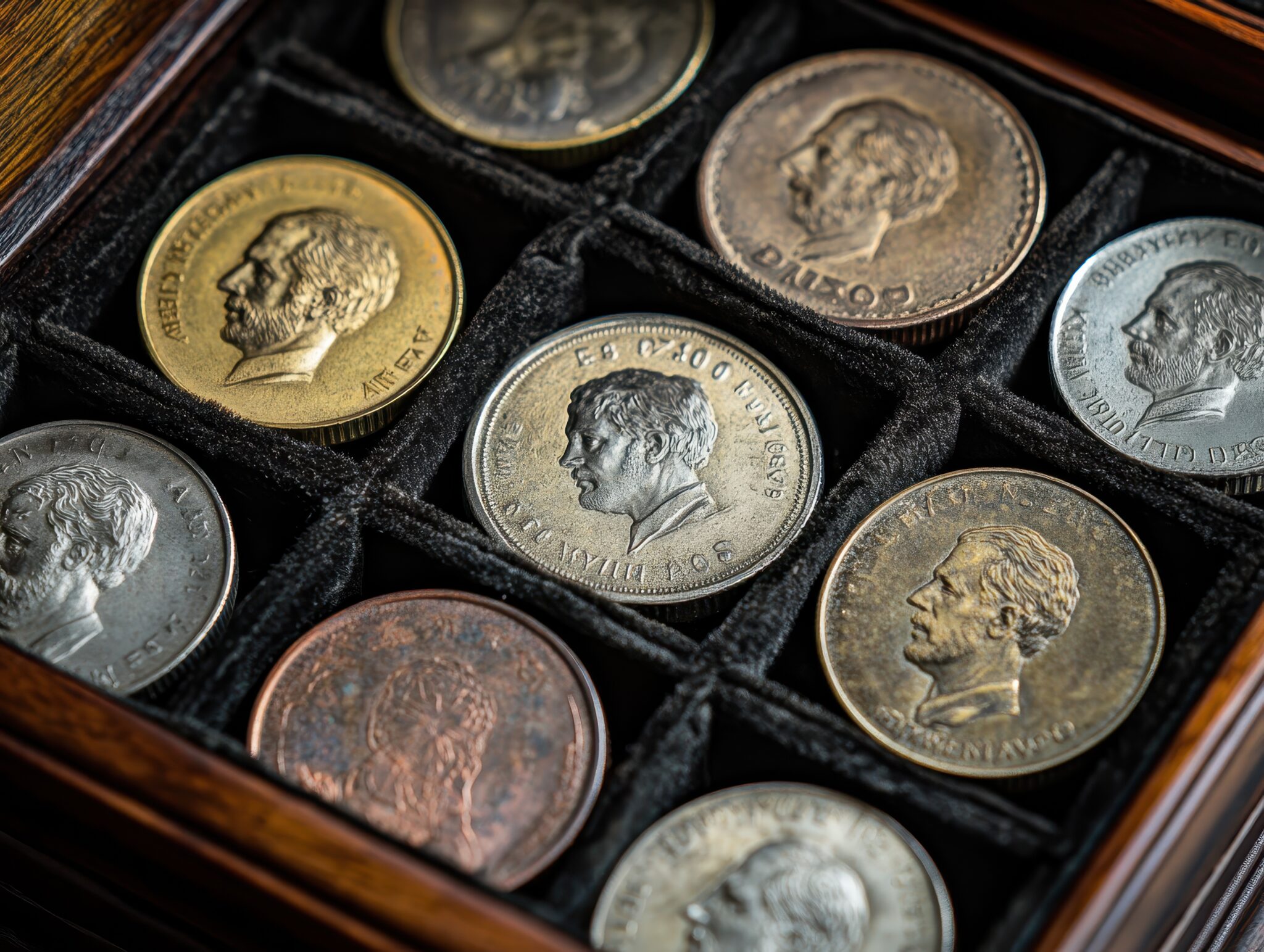
Inheriting a coin collection can feel overwhelming. You may be dealing with the loss of a loved one while also trying to sort through boxes of coins you don’t fully understand. Many families in Connecticut aren’t sure what to do next. Are the coins valuable? Should you divide them? Should you sell them all at once?
The good news is that selling an inherited coin collection in Connecticut can be handled in a calm, organized way. This guide will walk you through the process step by step so you can move forward with confidence.
Step 1: Slow Down and Take Inventory
The first thing to do is simple: don’t rush.
Before contacting a buyer, take time to:
- Gather all coins in one secure place
- Leave them in their original holders or albums
- Avoid cleaning or polishing anything
- Make a basic list of what you see
Look for things like:
- Silver dollars
- Old dimes and quarters
- Gold coins
- Proof sets or mint sets
- Foreign coins
You don’t need to know exact values yet. The goal is just to understand what’s there.
Step 2: Do Not Clean the Coins
It’s very common for heirs to think they should clean coins before selling them. This is a mistake.
Cleaning can:
- Scratch the surface
- Remove natural toning
- Reduce collector value
- Make rare coins worth less
Even coins that look dirty may be more valuable in their original condition. A professional dealer prefers untouched coins.
Step 3: Understand What Affects Value
An inherited coin collection can contain different types of value.
Coins may be worth money because of:
- Silver or gold content
- Rarity
- Condition
- Collector demand
- Historical significance
For example:
- Pre-1965 dimes and quarters are usually valuable for silver content.
- Morgan silver dollars can have both silver and collector value.
- Certain rare dates may be worth significantly more.
This is why a proper evaluation matters. Two similar-looking coins can have very different prices.
Step 4: Find a Trustworthy Coin Dealer in Connecticut
When selling an inherited collection, finding a trusted coin dealer in Connecticut is important.
Look for a Connecticut dealer who:
- Specializes in coins and precious metals
- Offers free evaluations
- Explains pricing clearly
- Has a strong local reputation
- Follows state licensing requirements
Avoid rushing into online mail-in services if you are unsure of value. Large collections are often better evaluated in person so you can ask questions and understand the breakdown.
A reputable dealer will take time to review the collection carefully and separate bullion coins from collectible pieces.
Step 5: What Documentation May Be Required?
In Connecticut, precious metals dealers must follow certain legal requirements.
You should expect to:
- Show a valid photo ID
- Provide basic seller information
- Sign transaction records
If you are the executor of an estate, you may also need:
- Proof of executor status
- Estate documentation (if requested)
These steps are normal and protect both the seller and the buyer.
Step 6: Decide Whether to Sell All at Once
Some families choose to sell everything together. Others may want to:
- Keep sentimental pieces
- Divide items among family members
- Sell higher-value coins separately
A professional dealer can explain whether selling as a full collection or in parts makes more sense based on market demand.
There is no one-size-fits-all answer. The right choice depends on your goals and the type of coins involved.
What to Expect During the Evaluation
If you’re in Connecticut and want an expert evaluation you can trust, visit Haven Coin & Jewelry in New Haven or book your free evaluation today. We offer professional assessments, competitive payouts, and same-day payments.
Here’s what happens:
- Coins are carefully examined.
- Silver and gold content is identified.
- Key dates and mint marks are checked.
- Collector-grade pieces are separated.
- A clear offer is explained.
You should feel comfortable asking questions. A good dealer understands that many sellers are new to this process.
Final Thoughts: Handling an Inherited Collection with Confidence
Selling an inherited coin collection in Connecticut doesn’t have to add stress during an already difficult time. By taking inventory, avoiding cleaning, and working with a trusted local dealer, you can make informed decisions without feeling rushed. Knowledge and patience are your biggest advantages.
The most important step is choosing a professional who values transparency and treats the situation with respect. With the right guidance, you can turn a collection into fair market value while honoring the legacy it represents.