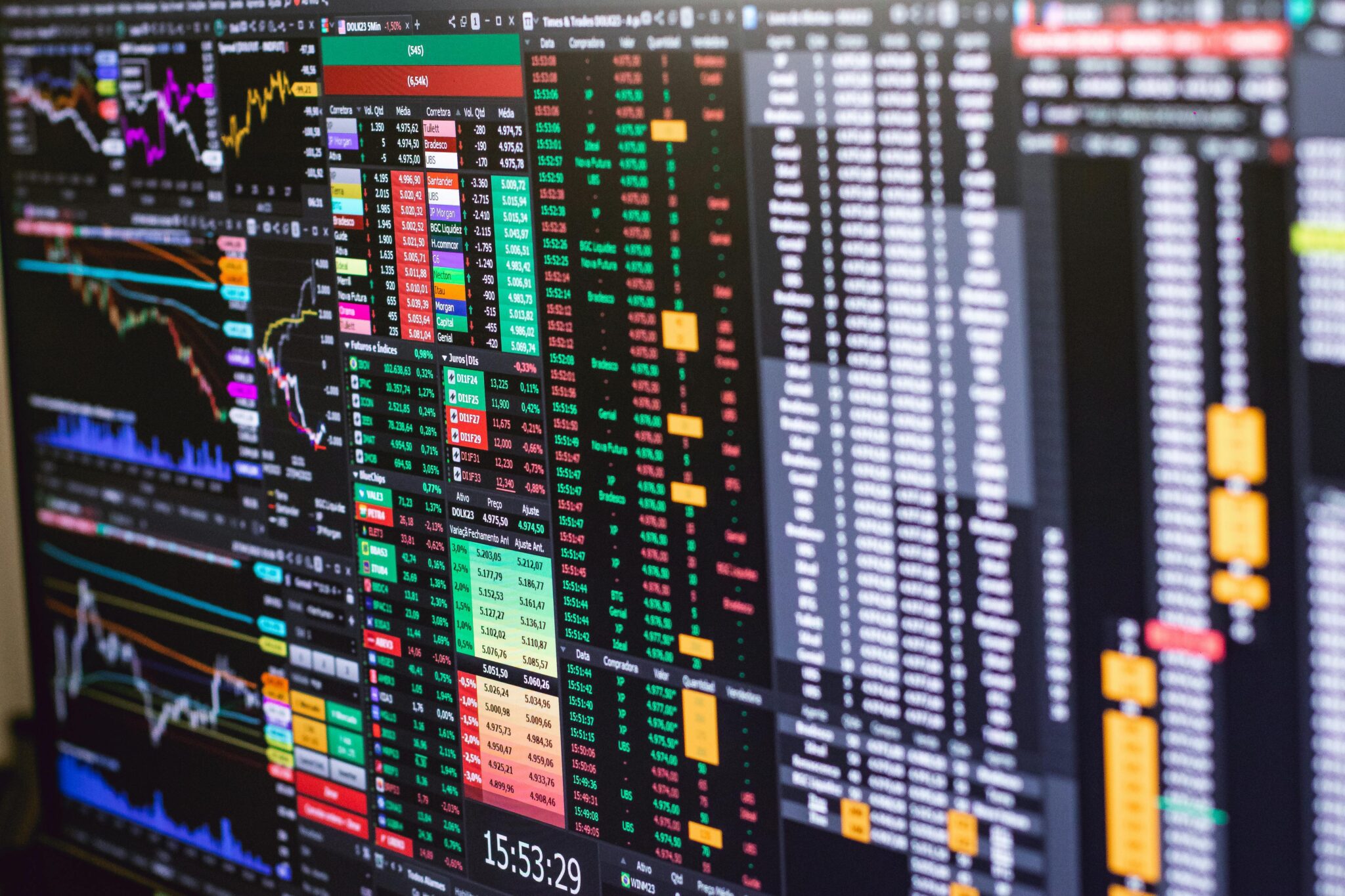
In 2026, the currency markets remain fast, volatile and dominantly computer-driven as opposed to human-driven. Recent data shows that more than 70 per cent of forex trading is done by algorithmic systems, and institutional use of automated systems has surpassed 70 per cent in many regions. This article looks at the effects of psychological pressure on the decisions made by traders and how automated systems do not have that pressure.
The financial markets constitute a culmination of numerical data, trend lines, and primarily represent a psychological corrosion of humanity through stress and anxiety. In foreign exchange markets, traders’ emotional responses to financial successes and failures can and often will influence market behavior. This has led to the development of trading systems that act independently of emotional responses typical of human behavior.
Over the years, and based on the development of technology and the refinement of algorithmic processes, trading via algorithms (in which a computer is programmed to execute a trade based on criteria such as price, volume, and time) has become highly influential in the majority of the world’s markets.
The Role of Psychology in Financial Decision Making
In addition to the technical and operational aspects of financial decision-making, the human factor of emotions presents one of the strongest influences. Research into trading behavior shows that in the face of rapidly changing and volatile markets, cognitive biases can cloud rationality and lead to adverse effects, including the loss of one’s financial investment. This is where emotion-controlled forex automation can help, as systems designed to follow predefined rules execute trades without fear or greed, reducing the impact of emotional decision-making on outcomes.
This behavioral phenomenon is one that has been extensively documented in the intersection of the studies of financial markets and psychology. For many novice retail traders, adhering to a long-term strategy without the influence of fear or excitement is a challenge.
The pressure of the market is said to be the major factor that translates a rational market behavior to an irrational behavior even among seasoned professional traders. Furthermore, market research shows that many active traders find it difficult to trade without a clear set of rules. Most professional traders will say that it is possible to design a system that will outperform them in the market, even at highly emotional moments in the market.
Automated Forex Trading Systems
Automated forex trading systems are a type of trading software that uses pre-defined trading strategies to assess and execute trades. Supplies to algorithmic trading and has a full range of trading at frequencies and volumes that humans cannot reach. Estimates from Brokerhive 2025 show that more than 90 per cent of forex trading volume is executed by algorithmic systems globally, reflecting widespread adoption among banks, hedge funds and other institutional players.
There has been growing acceptance of Retail Adoption, in which a good number of individual market participants use either expert advisors or signal-driven systems on certain trading platforms. The tools that are automated can carry out analyses on multiple indicators, trends in history, and open or close positions in a matter of milliseconds. In forex, it is very critical because of the nature of the market, which makes it possible to conduct trades that are worth several trillion dollars daily.
Algorithms are designed to trade in all market sessions, which makes them better than traders. So, if a trader is not able to trade because they are offline, an algorithm will trade on their behalf.
Designing Emotion-Resistant Trading Algorithms
A trading algorithm is built based on clearly defined rules, and these rules may be based on either technical indicators, fundamental indicators, or statistical indicators. The designer of the algorithm uses back testing on real market data to see how a specific parameter set would have performed. This is done for a number of market scenarios, which are referred to as market environments. Using a good testing framework will reduce the chances of overfitting as well as improve the system’s forward performance.
Modern technology accepts new levels of artificial intelligence for use in signal generation, pattern detection, and improved response time. For instance, studies in reinforcement learning models have shown that adapting agents, as opposed to static rule sets, can yield better returns when identifying valuable patterns in complex forex datasets. These models focus on exploiting patterns that may be too complex to capture in rule-based programming while also adhering to a rule-based model discipline.
In order to function, systems used in algorithmic trading must also have embedded risk controls. For example, they can scale position size by volatility, limit total exposure based on drawdown thresholds, and cease trading if a drawdown limit is hit. These risk controls may be embedded into the execution logic of the system to prevent problems that discretionary traders often face, such as trading too much after a loss, or having a winning streak and then increasing the size of their trades.
The Future of Automated Forex Trading
By the end of 2026, the rapid evolution of technology will allow for the automation of emotion-based trading and the use of human supervision for the first time in trading. This will change the way in which forex markets function. With the widespread use of algorithmic trading, the potential for trading performance to improve is reliant on the effective integration of automated systems with complex risk management and logic systems.
While machines cannot remove risk or guarantee trading profits, they also do not act with the emotional biases that human traders do. Finding the ideal balance between human judgment and machine accuracy is a pivotal focus for traders and market practitioners.