In the world of elite automotive performance, the debate over Supercars vs Hypercars goes far beyond branding. These two high-performance vehicle tiers differ in engineering philosophy, top-speed capability, acceleration benchmarks, and technological innovation. Supercars emphasize a balance of speed, usability, and design, while hypercars push the limits of ultra-high-speed engineering with groundbreaking materials and experimental powertrains.
Moreover, the Supercars vs Hypercars distinction reflects how manufacturers approach performance. Supercars aim to deliver thrilling acceleration and top speeds with real-world drivability. Hypercars, however, are extreme performance machines built to showcase advanced research and development, often produced in very limited numbers and incorporating aerospace-level engineering.
Consequently, understanding Supercars vs Hypercars helps enthusiasts, collectors, and investors evaluate performance potential, exclusivity, and long-term value. From horsepower thresholds and aerodynamic optimization to hybrid integration and lightweight composites, the differences between these elite automotive segments define the future of speed engineering.
Defining Supercars vs Hypercars
What Is a Supercar?
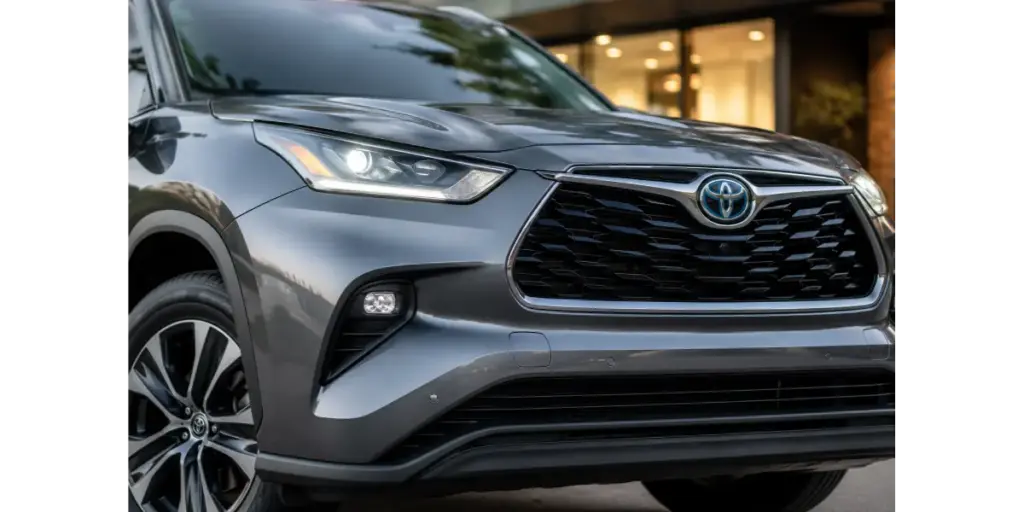
Supercars are high-performance sports cars that deliver exceptional acceleration, handling, and top speed while remaining usable on public roads. Examples include models from Ferrari, Lamborghini, and Porsche.
Typical characteristics:
-
500–800+ horsepower
-
Top speeds around 300–340 km/h
-
Advanced but production-ready technology
-
Higher production volumes than hypercars
Supercars represent the pinnacle of performance without venturing into experimental engineering extremes.
What Is a Hypercar?
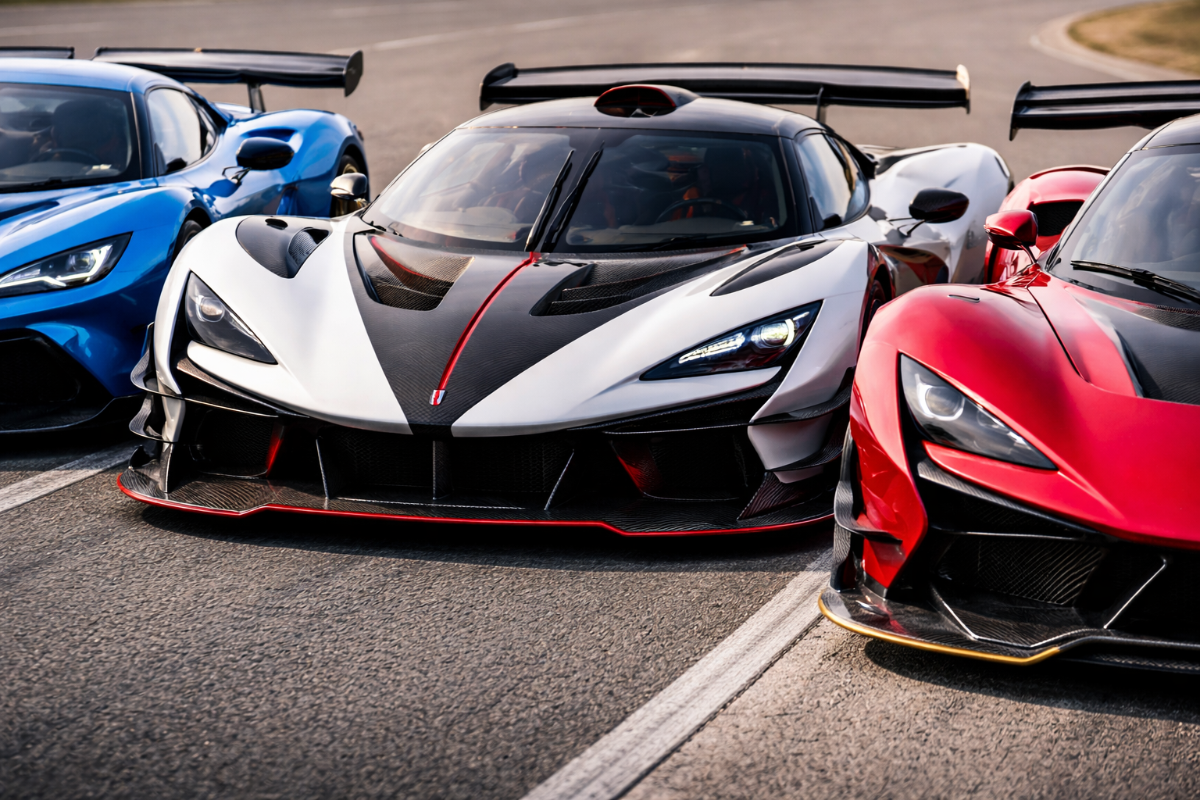
Hypercars sit above supercars in extreme performance categories. Manufacturers like Bugatti, Koenigsegg, and McLaren Automotive produce vehicles with unprecedented speed capabilities.
Typical characteristics:
-
1,000–1,600+ horsepower
-
Top speeds exceeding 400 km/h
-
Active aerodynamics and hybrid systems
-
Ultra-limited production runs
As a result, hypercars are engineering showcases rather than simply fast road cars.
Performance Metrics Comparison
Understanding Supercars vs Hypercars begins with raw performance numbers.
Performance Metrics
| Category | Average Horsepower | Top Speed Range | 0–100 km/h Time | Production Volume |
|---|---|---|---|---|
| Supercars | 500–800 hp | 300–340 km/h | 2.8–3.5 sec | 1,000–10,000 units |
| Hypercars | 1,000–1,600+ hp | 400–500+ km/h | 2.0–2.5 sec | 20–300 units |
Key Insights
-
Hypercars deliver nearly double the horsepower.
-
Acceleration differences are dramatic at high speeds.
-
Production exclusivity boosts hypercar investment value.
Moreover, hypercars often achieve speed records due to advanced engineering rather than incremental upgrades.
Engineering Philosophy Differences
1. Power-to-Weight Ratios
Hypercars prioritize extreme power-to-weight optimization.
-
Carbon fiber monocoques
-
Titanium components
-
Lightweight composites
Supercars use advanced materials too, however they balance durability and usability.
2. Aerodynamic Optimization
Hypercars use active aerodynamics:
-
Adjustable wings
-
Variable ride height
-
Airflow management systems
Consequently, they achieve higher stability at extreme speeds.
Supercars typically use fixed aero solutions tuned for real-world driving.
3. Hybrid Integration
Hybrid systems are common in hypercars to boost torque delivery.
Examples include:
-
Electric torque fill
-
Regenerative braking
-
Performance hybrid batteries
Supercars increasingly adopt hybrid tech as well, but usually for efficiency and drivability.
Technology and Engineering Comparison
Technology Differences
| Feature | Supercars | Hypercars |
|---|---|---|
| Aerodynamics | Fixed or semi-active | Fully active systems |
| Hybrid Systems | Optional performance hybrid | Standard in many models |
| Chassis Material | Aluminum + carbon fiber | Full carbon fiber/titanium |
| Suspension Setup | Adaptive road-focused | Track-optimized active suspension |
| Price Range | $250k–$800k | $2M–$10M+ |
Therefore, hypercars function as research laboratories for future automotive technology.
Horsepower Thresholds and Torque Delivery
Hypercars achieve massive power through:
-
Quad-turbo engines
-
Hybrid electric motors
-
Advanced torque vectoring
Supercars emphasize balanced torque delivery for drivability.
As a result, hypercars dominate speed records while supercars remain practical for daily driving.
Suspension Systems and Handling
Supercars focus on:
-
Adaptive suspension
-
Road comfort
-
Balanced cornering
Hypercars use:
-
Active suspension systems
-
Track-focused geometry
-
Predictive handling algorithms
Consequently, hypercars excel at extreme performance but may sacrifice comfort.
Production Exclusivity and Brand Positioning
Hypercars are produced in very limited numbers, creating exclusivity.
Benefits include:
-
Collector demand
-
Higher resale value
-
Brand prestige
Supercars are more accessible but still premium.
Manufacturers use hypercars to showcase innovation, attract media attention, and elevate brand identity.
Real-World Usability vs Track-Focused Engineering
Supercars balance performance with practicality:
-
Comfortable interiors
-
Manageable maintenance
-
Everyday drivability
Hypercars prioritize speed records and technological breakthroughs.
However, many hypercars are rarely driven daily due to cost and complexity.
Research and Development Investment
Hypercars require massive R&D budgets.
Companies invest in:
-
Aerodynamics testing
-
Hybrid powertrain development
-
Lightweight materials research
Consequently, hypercars influence future supercar technologies.
For example, carbon fiber chassis and hybrid performance systems often debut in hypercars before reaching supercars.
Performance Benchmarking and Speed Records
Hypercars dominate global speed rankings.
Benchmarks include:
-
Top-speed testing
-
Nürburgring lap times
-
Acceleration records
Supercars compete in track performance categories but rarely aim for outright speed records.
Therefore, hypercars push engineering boundaries while supercars refine performance balance.
Investment Value and Collectibility
From an investment perspective:
-
Hypercars often appreciate due to rarity.
-
Supercars depreciate initially but may gain value later.
Collectors evaluate:
-
Production numbers
-
Brand heritage
-
Speed records
-
Technological significance
Consequently, hypercars attract wealthy collectors seeking exclusivity.
Maintenance Complexity
Hypercars require specialized service.
Challenges include:
-
Hybrid battery replacement
-
Carbon fiber repair
-
Limited parts availability
Supercars are easier to maintain due to larger production runs.
Therefore, ownership cost differences are significant.
Future Evolution of Supercars vs Hypercars
Emerging trends include:
-
Electric hypercars with instant torque
-
AI-assisted performance tuning
-
Lightweight composite innovation
-
Sustainable fuels
Consequently, the gap between supercars and hypercars may shift as electric propulsion changes performance metrics.
Forward-Looking Insights Beyond 2026
The future of Supercars vs Hypercars will be shaped by:
-
Electric propulsion redefining acceleration metrics
-
AI-driven aerodynamics optimization
-
Sustainable composite materials
-
Autonomous performance analytics
Therefore, the definition of speed itself may evolve from top-speed numbers to efficiency-driven performance engineering.
Manufacturers will continue experimenting with advanced propulsion systems while maintaining exclusivity and prestige.
Conclusion
Understanding Supercars vs Hypercars reveals how engineering philosophy shapes performance. Supercars offer thrilling speed combined with usability, while hypercars represent the frontier of automotive innovation. From horsepower and aerodynamics to hybrid integration and production exclusivity, these elite automotive segments demonstrate how far technology can push the limits of speed.
As automotive technology evolves, both categories will continue inspiring innovation, pushing engineering boundaries, and redefining the future of high-performance mobility.
FAQ: Supercars vs Hypercars
Why are hypercars so expensive?
Hypercars use cutting-edge technology, ultra-light materials, and limited production, increasing costs dramatically.
Do hypercars always have higher top speeds?
Generally yes, because they prioritize extreme performance engineering.
Are supercars better for daily driving?
Yes. Supercars balance performance with comfort and practicality.
Are hypercars good investments?
Rare hypercars often appreciate due to exclusivity and engineering significance.
Which will dominate the future supercars or hypercars?
Electric propulsion may blur distinctions, but hypercars will likely remain innovation leaders.