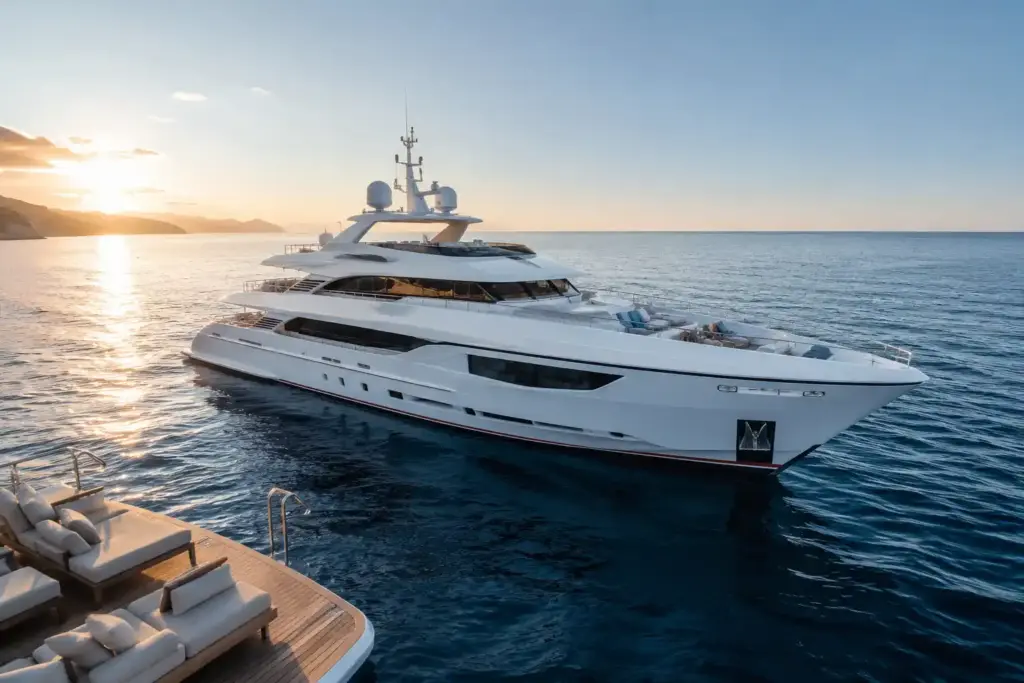
Luxury mobility is undergoing a major transformation. Next-Generation Propulsion Systems are driving the evolution of yachts and business jets, merging sustainability, efficiency, and performance. Ultra-high-net-worth individuals and corporate buyers now demand not only speed and range but also reduced environmental impact and operational efficiency. Traditional combustion engines are giving way to hybrid-electric, fully electric, and hydrogen-powered solutions that balance power delivery with responsible energy use.
In yachts, propulsion innovation extends beyond fuel type. Pod drives, contra-rotating propellers, and AI-assisted engine optimization ensure smoother handling, better fuel efficiency, and lower emissions. Similarly, in business jets, advanced turbofan engines, sustainable aviation fuels (SAF), and lightweight composite integrations allow operators to achieve record ranges while minimizing environmental footprints. Next-Generation Propulsion Systems deliver performance without compromising ecological responsibility.
The shift toward advanced propulsion is not only about technology—it’s about strategic value. Owners benefit from lower long-term operating costs, enhanced reliability, and regulatory compliance advantages. For investors and engineers, understanding Next-Generation Propulsion Systems in Yachts and Business Jets provides insight into how ultra-luxury transport will evolve in the next decade.
Key Trends Driving Next-Generation Propulsion
-
Sustainability and Regulatory Pressure
Governments and global organizations are imposing stricter emissions standards. Eco-efficient luxury transport systems are no longer optional. -
Hybrid and Fully Electric Drives
Combining batteries with traditional fuel sources reduces fuel consumption and emissions while maintaining performance. -
AI-Assisted Engine Optimization
Artificial intelligence enables real-time power adjustments, predictive maintenance, and optimal energy use across varying operational conditions. -
Lightweight Composite Integration
Advanced materials reduce mass, improve fuel efficiency, and allow designers to integrate larger energy storage without performance penalties. -
Alternative Fuels
Hydrogen fuel cells and sustainable aviation fuels (SAF) are reshaping the energy landscape in both yachts and business jets.
Yacht Propulsion Innovations
Modern luxury yachts utilize several advanced propulsion options:
Hybrid-Electric Propulsion
-
Combines diesel engines with electric motors.
-
Reduces fuel consumption in harbor and low-speed operations.
-
Enables silent cruising and lower emissions.
Fully Electric Drivetrains
-
Battery-powered electric motors replace conventional engines.
-
Ideal for smaller yachts and environmentally-conscious routes.
-
Requires careful energy storage and charging management.
Pod Drives and Contra-Rotating Propellers
-
Improve maneuverability and efficiency.
-
Minimize vibration and enhance passenger comfort.
-
Reduce drag and improve hydrodynamic efficiency.
AI-Assisted Optimization
-
Software predicts optimal engine operation for efficiency.
-
Monitors fuel, energy use, and emissions in real time.
-
Improves maintenance scheduling and reliability.
Yacht Propulsion Technology Comparison
| Propulsion Type | Fuel Source | Efficiency Level | Range Impact | Emissions Profile | Maintenance Complexity |
|---|---|---|---|---|---|
| Hybrid-Electric | Diesel + Battery | High | Moderate | Reduced CO2 & NOx | Medium |
| Fully Electric | Battery | Medium | Limited | Zero emissions | Low |
| Hydrogen Fuel Cell | Hydrogen | High | Moderate | Water only | High |
| Pod Drive | Diesel/Electric | Very High | Slight | Low | Medium |
| Contra-Rotating Propellers | Diesel/Electric | High | Slight | Low | Medium |
Business Jet Propulsion Innovations
Business aviation is rapidly embracing next-generation propulsion:
Advanced Turbofan Engines
-
Higher thrust-to-weight ratios.
-
Reduced fuel consumption and noise.
-
Compatible with SAF blends.
Hybrid-Electric Systems
-
Combines electric motors with jet turbines.
-
Improves efficiency during taxi, takeoff, and climb.
-
Reduces overall fuel burn.
Hydrogen Fuel Cells
-
Zero-carbon alternative for future aircraft.
-
Challenges include storage and weight.
-
Promising for regional and short-haul jets.
AI-Assisted Engine Management
-
Optimizes thrust, fuel efficiency, and emission control.
-
Predictive maintenance lowers operational risk.
-
Enhances safety and reliability.
Business Jet Propulsion System Comparison
| Engine Type | Fuel Compatibility | Range Efficiency | Noise Reduction | Sustainability Rating | Operational Cost Impact |
|---|---|---|---|---|---|
| Advanced Turbofan | Jet Fuel + SAF | High | Moderate | Medium | Moderate |
| Hybrid-Electric | Jet Fuel + Battery | Very High | High | High | Low-Medium |
| Hydrogen Fuel Cell | Hydrogen | Medium | Very High | Excellent | High |
| AI-Optimized Turbine | Jet Fuel/SAF | High | High | High | Low-Medium |
| Lightweight Composite Engine | Jet Fuel | High | Moderate | Medium | Moderate |
Advantages of Next-Generation Propulsion
-
Environmental Benefits – Significant reduction in greenhouse gas emissions and pollutants.
-
Operational Efficiency – Lower fuel consumption and predictive maintenance lower costs.
-
Performance Enhancement – Efficient energy delivery ensures consistent speed and range.
-
Regulatory Compliance – Meets stringent international environmental standards.
-
Owner Experience – Quieter, smoother, and more sustainable voyages or flights.
Future Outlook
The next decade promises accelerated adoption of sustainable propulsion technologies:
-
Hydrogen Ecosystems – Ports and airports will increasingly support hydrogen refueling.
-
Solid-State Energy Storage – Higher energy density, lighter weight, and faster charging.
-
AI-Powered Optimization – Machine learning will continuously enhance energy efficiency.
-
Global Emissions Standards – Stringent regulations will drive innovation and adoption.
-
Integrated Design Approaches – Synergy between hull or airframe design and propulsion to maximize efficiency.
Consequently, Next-Generation Propulsion Systems in Yachts and Business Jets will define the standard for eco-efficient, high-performance, ultra-luxury transport beyond 2026.
FAQ: Next-Generation Propulsion Systems
Are hybrid-electric yachts reliable for long-distance travel?
Yes, modern hybrid-electric systems provide extended range when combined with conventional engines and battery optimization.
How soon will hydrogen-powered business jets be commercially viable?
Current projections indicate regional adoption within 5–10 years, with full commercial adoption likely post-2030.
Do AI-assisted propulsion systems reduce maintenance costs?
Absolutely, predictive monitoring lowers unexpected failures and optimizes service schedules.
Is retrofitting yachts or jets with sustainable propulsion feasible?
Retrofitting is possible but complex, requiring custom engineering and adherence to safety standards.
Will next-generation propulsion systems increase purchase costs?
Initial costs are higher, but operational savings and regulatory compliance benefits often offset upfront investment over time.