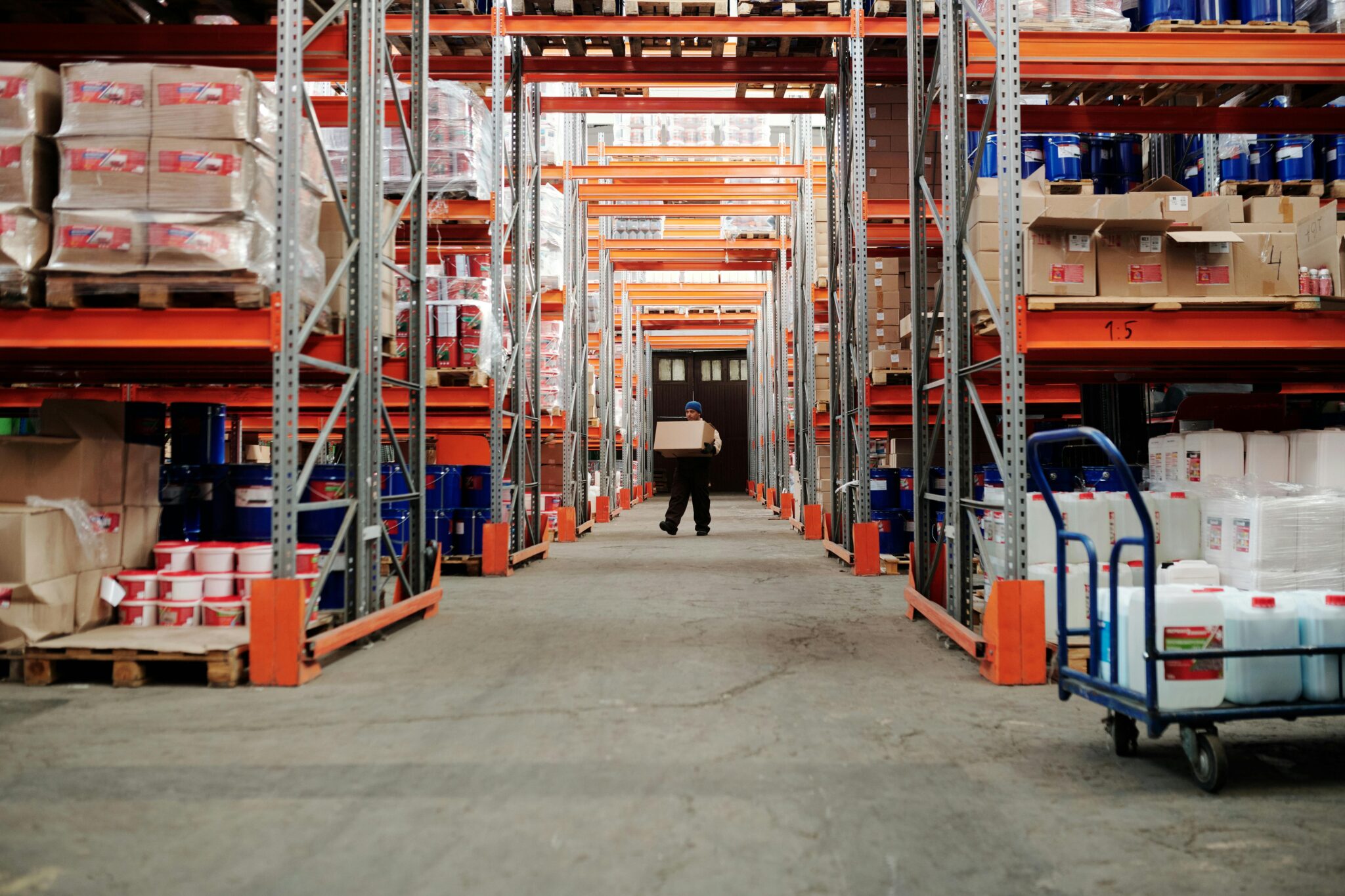
A warehouse can look busy and still fall behind. A late truck, a broken forklift, or a simple picking error can throw off the entire day. Many managers deal with constant pressure to move faster while keeping costs under control. Customers expect quick shipping and accurate deliveries. There is little room for mistakes. Smooth warehouse operations do not happen by chance. They come from clear planning, steady maintenance, and strong leadership. When the right systems are in place, teams work with less stress and fewer surprises.
Understanding what truly keeps a warehouse running smoothly helps leaders fix weak spots before they grow into larger problems.
Layout Decisions That Support Speed
The physical setup of a warehouse affects daily performance more than many leaders realize. A smart layout reduces unnecessary movement. Workers should reach high-demand products quickly without crossing long distances. Wide aisles prevent traffic jams between forklifts and pickers. Clear labels and signs help new staff find items without delays. Managers should study order patterns before deciding where to store products. Fast-moving items belong closer to packing areas. Seasonal goods may need flexible placement. A layout should evolve as business needs change. When leaders ignore layout planning, teams lose time every hour. A well-planned space supports faster picking, safer movement, and smoother coordination between departments.
Equipment Reliability and Preventive Care
Equipment problems often create the biggest disruptions. A forklift that breaks down during peak hours can delay multiple orders. Preventive maintenance reduces this risk. Teams should inspect equipment daily and follow a clear service schedule. Small repairs handled early prevent larger breakdowns later. Leaders must also choose dependable replacement parts. Companies like Intella Parts supply quality components designed to fit a wide range of forklift models, helping warehouses maintain performance without unnecessary delays.
Many operation managers head to https://intellaparts.com to learn more about forklift parts when maintaining their fleets. Reliable components support longer equipment life and fewer interruptions. Managers should track repair trends to spot recurring issues. When warehouses treat maintenance as a priority rather than a reaction, they protect productivity and avoid sudden downtime.
Training That Builds Real Confidence
Well-trained employees make fewer mistakes and solve problems faster. Training should go beyond basic instructions. Workers need hands-on practice with equipment, safety procedures, and digital systems. New hires benefit from shadowing experienced staff during their first weeks. Ongoing training also matters. Refresher sessions help teams stay sharp and adapt to new tools or processes. Managers should encourage questions and create space for feedback. When employees feel comfortable speaking up, they report small issues before they grow. Confidence improves speed and accuracy. Skilled workers move with purpose because they understand their role in the larger operation. Strong training builds a steady and dependable workforce.
Inventory Control That Prevents Delays
Accurate inventory keeps warehouses running without confusion. When stock records do not match physical inventory, teams waste time searching for items that are not there. Order errors increase, and customer trust suffers. Regular cycle counts help correct small mistakes before they spread. Barcode scanning and inventory software also improve tracking. Managers should review discrepancies quickly and identify root causes. Sometimes errors come from rushed receiving or unclear labeling. Clear accountability reduces repeat issues. Inventory control requires daily attention, not monthly corrections. When stock data stays accurate, picking teams work faster and customer orders move out on time. Reliable inventory systems support smoother operations overall.
Strong Supplier Partnerships That Prevent Surprises
Warehouses rely on outside partners for packaging materials, spare parts, pallets, and equipment support. When suppliers miss deadlines or ship incorrect items, daily operations suffer. Building strong relationships with dependable vendors reduces that risk. Clear communication about order volumes, delivery timelines, and quality standards sets expectations on both sides. Managers should review supplier performance regularly and address issues early. It also helps to avoid relying on a single source for critical items. Backup vendors provide protection during shortages or transport delays. Long-term partnerships often lead to better service and faster response times. When supply lines stay stable, warehouse teams can focus on fulfilling orders instead of solving preventable shortages.
Using Data to Guide Daily Decisions
Modern warehouses collect large amounts of operational data through warehouse management systems and scanning tools. This information shows picking times, order accuracy rates, equipment downtime, and labor hours. Managers who review this data regularly can spot trends and fix issues early. For example, repeated delays in one picking zone may point to layout problems or staffing gaps. Data also helps leaders schedule shifts based on order volume rather than guesswork. Clear reporting keeps teams accountable and focused on measurable goals. The key is to use data to guide action, not just create reports. When leaders connect numbers to practical changes, daily operations become more stable and predictable.
Safety Practices That Protect Productivity
Safe warehouses operate more smoothly than unsafe ones. Injuries lead to lost workdays, higher costs, and low morale. Clear safety rules reduce these risks. Teams should keep walkways clear, store loads properly, and inspect equipment before each shift. Supervisors must enforce speed limits for forklifts and require proper protective gear. Regular safety training reminds employees of real hazards such as unstable pallets or blocked exits. Leaders should also encourage workers to report unsafe conditions without fear. Quick action prevents repeat incidents. Safety does not slow productivity; it supports it. When employees feel secure in their environment, they focus better and maintain steady performance throughout the day.
Planning for Growth and Seasonal Demand
Order volumes rarely stay the same all year. Many warehouses face busy seasons that test capacity. Leaders should plan for these changes long before demand rises. Flexible staffing models help managers add temporary workers when needed. Clear onboarding processes allow new hires to become productive quickly. Storage systems should allow easy reorganization when product lines expand. Technology also supports growth. Scalable software handles higher-order volumes without major disruption. Managers who review past seasonal patterns can prepare more accurately for future spikes. Growth planning reduces last-minute pressure and costly mistakes. When warehouses prepare in advance, they handle higher demand without sacrificing accuracy or speed.
Modern warehouses run smoothly when leaders focus on practical details and follow through every day. Clear processes guide employees. Smart layouts reduce wasted movement. Reliable equipment prevents sudden delays. Accurate inventory keeps orders moving. Strong suppliers support steady operations. Data helps managers make informed decisions. Safety protects both people and productivity. Careful planning prepares teams for growth. Continuous improvement keeps systems sharp. No single factor guarantees success. Each area supports the others. When managers treat operations as an ongoing responsibility rather than a reaction to problems, warehouses perform with greater consistency. That consistency builds customer trust and strengthens the entire business.