Fine personal assets can play a smart supporting role in a diversified portfolio. They are tangible, hold cultural value, and can provide returns that do not perfectly track public markets. Still, they come with real risks that call for discipline and a long view.
Why Tangible Assets Still Matter
Collectors and investors turn to items they can touch for two reasons. Tangible pieces can retain desirability even when financial markets wobble, because their appeal is tied to craft, rarity, and story. Balance across different asset types helps smooth outcomes. The mix can reduce the chance that everything moves in the same direction at once.
Personal assets add a lifestyle benefit that spreadsheets alone cannot capture. People tend to hold on during downturns when they believe in the object itself. That staying power can be useful, as long as it does not turn into overconfidence.
Jewellery As a Portfolio Stabilizer
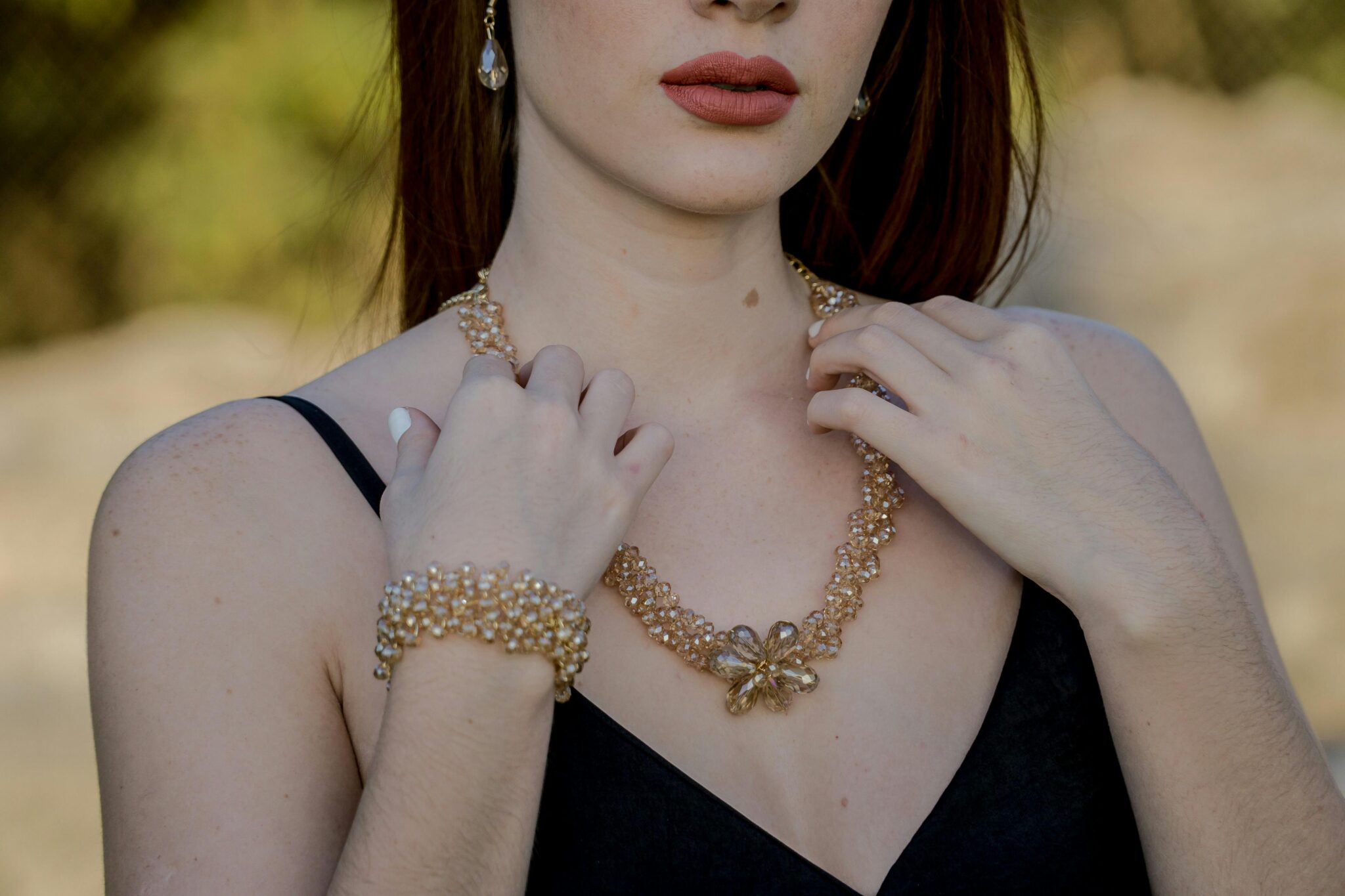
Jewellery blends utility with scarcity in a way few assets can match. In balanced portfolios, pieces chosen for craftsmanship and documented rarity can complement stocks and bonds. For engagement rings, opt for suppliers like After Diamonds diamond jewellery that focus on quality and provenance. They reduce reliance on a single market cycle without giving up the pleasure of ownership.
Liquidity and care matter more here than in paper assets. Plan for secure storage, current appraisals, and clear resale paths before committing capital. With those basics in place, jewellery can carry its weight as a long-term store of value.
Natural vs Lab-Grown Diamonds
Price gaps between natural and lab-grown diamonds have widened. A consulting firm reported that lab-grown stones, once a modest discount to natural, now sell at a steep markdown relative to mined equivalents. That shift reflects rapid production growth and changing retail strategies.
For investors, the takeaway is simple. If capital preservation and potential appreciation are goals, focus on natural stones with documented rarity, excellent cut, and top grading. Lab-grown can be great for looks and budget, but they behave more like a consumer good than a store of value.
The Volatility and Opportunity of Watches
The broader watch market saw pressure last year across leading brands. The overall secondary market slid by about 5% year over year, with well-known makers each down by mid-single digits. That kind of synchronized easing is a reminder that even trophy products can face cooling demand.
For long-term buyers, corrections create chances to acquire great references at saner levels. Focus on proven models with deep collector bases and strong service support. Avoid hyped releases that trade more on social buzz than lasting design.
A major business publication highlighted how prices from the peak have retraced sharply, describing a drop of roughly one-third in the secondary market from the top. That scale of decline resets expectations and cuts out froth, which is healthy for disciplined collectors.
Pieces with real scarcity, desirable sizes, and clean provenance tend to hold value better. The outcome is a market that rewards research and patience more than speed.
Liquidity, Storage, and Insurance Basics
Resale paths matter. Before you buy, map exit routes through auction houses, trusted dealers, or peer-to-peer platforms. Fees, lead times, and seller vetting differ by channel.
Secure storage protects both value and peace of mind. Bank boxes, specialist vaults, and at-home safes each carry costs and limits. Insurance fills the gap and should match current appraisals, not old purchase prices.
- Identify at least two resale channels before purchase
- Keep grading reports and service records together and backed up
- Store items in climate-stable, discreet locations
- Review insurance riders yearly to align with updated values
Due Diligence Checklist for Buyers
Documentation is your safety net. For diamonds, insist on reputable lab grading and check for any treatments. For watches, verify serials, service history, case condition, and originality of parts.
Pricing should be cross-checked against recent transactions. Use more than one source to avoid bias and pay attention to condition notes. Small defects can swing value more than buyers expect.
- Verify grading or authentication from recognized bodies
- Compare recent realized prices for similar items and conditions
- Inspect with proper lighting and magnification, or hire an expert
- Confirm return policies in writing before sending funds
How to Think About Performance
Treat each category on its own terms. Diamonds, watches, and art do not move in lockstep, so comparing them directly can mislead. A better approach is to track entry price, all in costs, and realistic exit paths for every piece.
Context helps with patience. When you know that some segments are cooling or resetting, it is easier to pass on stretched listings and wait for stronger opportunities. That discipline compounds.

For investors, the financial case remains clear. Buy quality, size positions modestly, and plan for holding periods that span years. Do the unglamorous work on documents, storage, and insurance, and the glamour pieces can earn their keep.