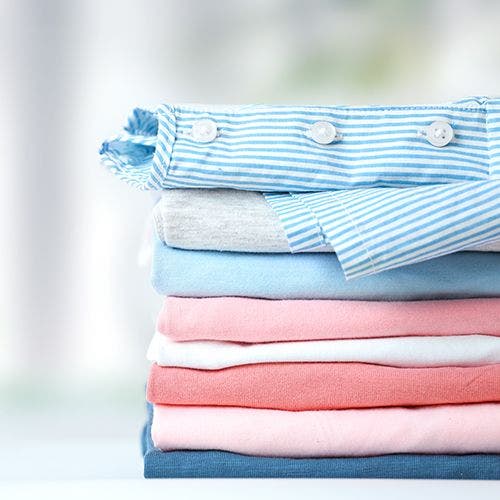
Choosing the right fabric can make a huge difference when dressing for hot and humid weather. The best fabrics for summer clothing are lightweight, breathable, moisture-friendly, and comfortable against the skin. While the style and color of an outfit matter, the material can determine whether you feel fresh and comfortable or overheated throughout the day.
Natural fibers such as cotton, linen, and hemp are popular summer choices, while modern fabrics can offer useful features such as quick drying and moisture management. Understanding the strengths of each material makes it easier to choose summer dresses, shirts, trousers, tops, and other warm-weather essentials.
What Makes a Fabric Good for Summer?
Summer clothing should help your body manage heat. Ideally, a fabric should allow air to circulate, feel comfortable against the skin, and avoid trapping excessive moisture.
Important qualities to consider include:
- Breathability
- Lightweight construction
- Moisture absorption
- Quick drying
- Soft texture
- Loose drape
- Durability
- Ease of care
No single fabric is perfect for every situation. Linen may be excellent for extremely hot days, while cotton can be more practical for everyday wear. The best choice depends on the weather, activity, and type of clothing.
Best Summer Fabrics at a Glance
| Fabric | Breathability | Best For | Main Advantage |
|---|---|---|---|
| Linen | Excellent | Shirts, dresses, trousers | Extremely breathable |
| Cotton | Very good | T-shirts, dresses, casualwear | Soft and versatile |
| Chambray | Very good | Shirts, lightweight dresses | Denim-like appearance without heavy weight |
| Seersucker | Excellent | Shirts, suits, dresses | Textured surface promotes airflow |
| Hemp | Excellent | Shirts, trousers, casualwear | Durable and breathable |
| Rayon | Good | Dresses, tops, skirts | Lightweight and fluid |
| Tencel | Very good | Dresses, shirts, trousers | Soft and moisture-friendly |
| Silk | Good | Blouses, dresses | Lightweight and luxurious |
| Lightweight wool | Good | Tailoring and travelwear | Breathable and temperature-regulating |
| Performance blends | Varies | Sportswear and activewear | Moisture and quick-drying features |
Linen
Linen is one of the most popular fabrics for hot weather. Made from the flax plant, it is known for its breathable structure and lightweight feel.
Linen allows air to circulate easily, making it particularly useful in hot climates. It is commonly used for shirts, dresses, trousers, skirts, shorts, and lightweight jackets.
One characteristic of linen is its tendency to wrinkle. Rather than treating this as a problem, many people appreciate the relaxed, natural appearance of linen during summer.
For maximum comfort, look for lightweight linen garments with a relaxed fit.
Cotton
Cotton is one of the most versatile summer fabrics. It is soft, comfortable, widely available, and suitable for everything from basic T-shirts to dresses and casual trousers.
Lightweight cotton is especially useful in warm weather. Cotton allows airflow and can absorb moisture, although it may take longer to dry than some synthetic performance fabrics.
For extremely hot conditions, choose breathable cotton weaves rather than heavy materials. Cotton voile, lawn, and lightweight poplin can provide a cooler alternative to thick cotton fabrics.
Chambray
Chambray has a similar visual appearance to denim but is generally much lighter. This makes it a useful option for summer shirts, dresses, skirts, and casual separates.
A chambray shirt can be styled with linen trousers, cotton shorts, or lightweight skirts. Because it has a slightly structured appearance, it can provide more polish than a basic T-shirt while remaining comfortable.
If you enjoy the look of denim but find traditional jeans too warm for summer, chambray can be an excellent alternative.
Seersucker
Seersucker is instantly recognizable by its puckered, textured surface. The fabric’s unique construction helps keep portions of the material away from the skin, encouraging airflow.
It is particularly popular for summer shirts, dresses, skirts, shorts, and warm-weather suits.
Seersucker can be a practical choice for people who want clothing that looks polished while remaining relatively lightweight. Its naturally textured appearance also means wrinkles are less noticeable.
Hemp
Hemp is another plant-based fiber that can work well for summer clothing. It is known for durability and breathability and can become softer with use.
Hemp fabrics can be used for shirts, trousers, dresses, jackets, and casual basics. Blends combining hemp with cotton or other fibers can provide a softer feel while retaining some of hemp’s natural characteristics.
For shoppers interested in durable natural-fiber clothing, hemp can be an appealing option.
Rayon
Rayon is a manufactured fiber made from regenerated cellulose. It is often used for lightweight summer dresses, skirts, blouses, and tops because of its soft feel and fluid drape.
Rayon can create garments that move beautifully, making it especially suitable for loose summer silhouettes.
However, care requirements vary depending on the specific type of rayon. Always check the garment’s care label before washing.
Tencel
Tencel is a brand name commonly associated with lyocell and modal fibers. These materials are known for their smooth feel and comfortable drape.
Tencel-based fabrics can work well for summer dresses, shirts, trousers, and casual tops. They are often appreciated for their softness and ability to create lightweight garments with an elegant appearance.
Tencel can be especially useful when you want a fabric that feels softer and more fluid than traditional woven cotton.
Silk
Silk is lightweight, smooth, and naturally luxurious. It can be an excellent choice for summer blouses, dresses, scarves, and other garments where an elegant appearance is important.
Lightweight silk allows for comfortable movement and can feel cool against the skin. However, it may require more careful maintenance than everyday cotton or linen.
For special occasions during warm weather, a lightweight silk dress or blouse can combine sophistication with comfort.
Lightweight Wool
Wool may not immediately sound like a summer fabric, but lightweight wool can be surprisingly comfortable in warm weather.
Fine wool fabrics can offer breathability and temperature regulation, which is why lightweight wool is sometimes used for summer suits, trousers, and travel clothing.
Merino wool, in particular, is popular for lightweight clothing because of its softness and moisture-management properties.
Synthetic Performance Fabrics
Synthetic fabrics such as polyester and nylon are common in sportswear and activewear. While some traditional synthetic fabrics can feel warm, specially engineered performance materials can be designed to move moisture away from the skin and dry quickly.
For exercise, hiking, travel, and outdoor activities, performance fabrics can be more practical than absorbent natural fibers.
The key is to look for lightweight construction and moisture-management features rather than assuming every synthetic fabric performs the same way.
Best Fabrics for Humid Weather
Humidity creates an additional challenge because sweat evaporates more slowly. In these conditions, breathable and lightweight fabrics are particularly valuable.
Linen, lightweight cotton, hemp, and certain moisture-managing technical fabrics can work well. Loose-fitting clothing is also important because it allows more air movement between the fabric and your skin.
Avoid excessively heavy or tightly woven materials when temperatures and humidity are both high.
Best Fabrics for Summer Dresses
For summer dresses, linen, cotton, rayon, Tencel, and lightweight silk are excellent options.
Linen dresses provide a relaxed, natural look, while cotton dresses are easy to style for everyday use. Rayon and Tencel can create a softer, more fluid silhouette, making them suitable for evening outfits and vacations.
When selecting a summer dress, consider both the fabric and construction. A lightweight fabric can still feel warm if the garment is extremely tight or heavily layered.
How to Choose Summer Fabrics
The ideal summer fabric depends on your lifestyle.
For everyday casual clothing, cotton and linen are reliable choices. For professional clothing, lightweight wool, linen blends, and breathable woven fabrics can provide a polished appearance.
For workouts, performance fabrics may offer better moisture management. For vacations or special occasions, silk, rayon, and Tencel can provide comfortable yet elegant options.
Also consider how much maintenance you are willing to do. Linen may wrinkle easily, silk may require special care, and some rayon garments need careful washing.
Final Thoughts
The best fabrics for summer clothing combine comfort, breathability, and practicality. Linen and cotton remain classic choices, while chambray, seersucker, hemp, Tencel, silk, lightweight wool, and performance fabrics each offer their own advantages.
Instead of choosing clothing based only on appearance, pay attention to the material, weave, weight, and fit. A lightweight garment with plenty of airflow can feel significantly more comfortable than a heavy or tightly fitted alternative.
By choosing fabrics suited to your climate and activities, you can build a summer wardrobe that keeps you cool, comfortable, and stylish throughout the warmest months.