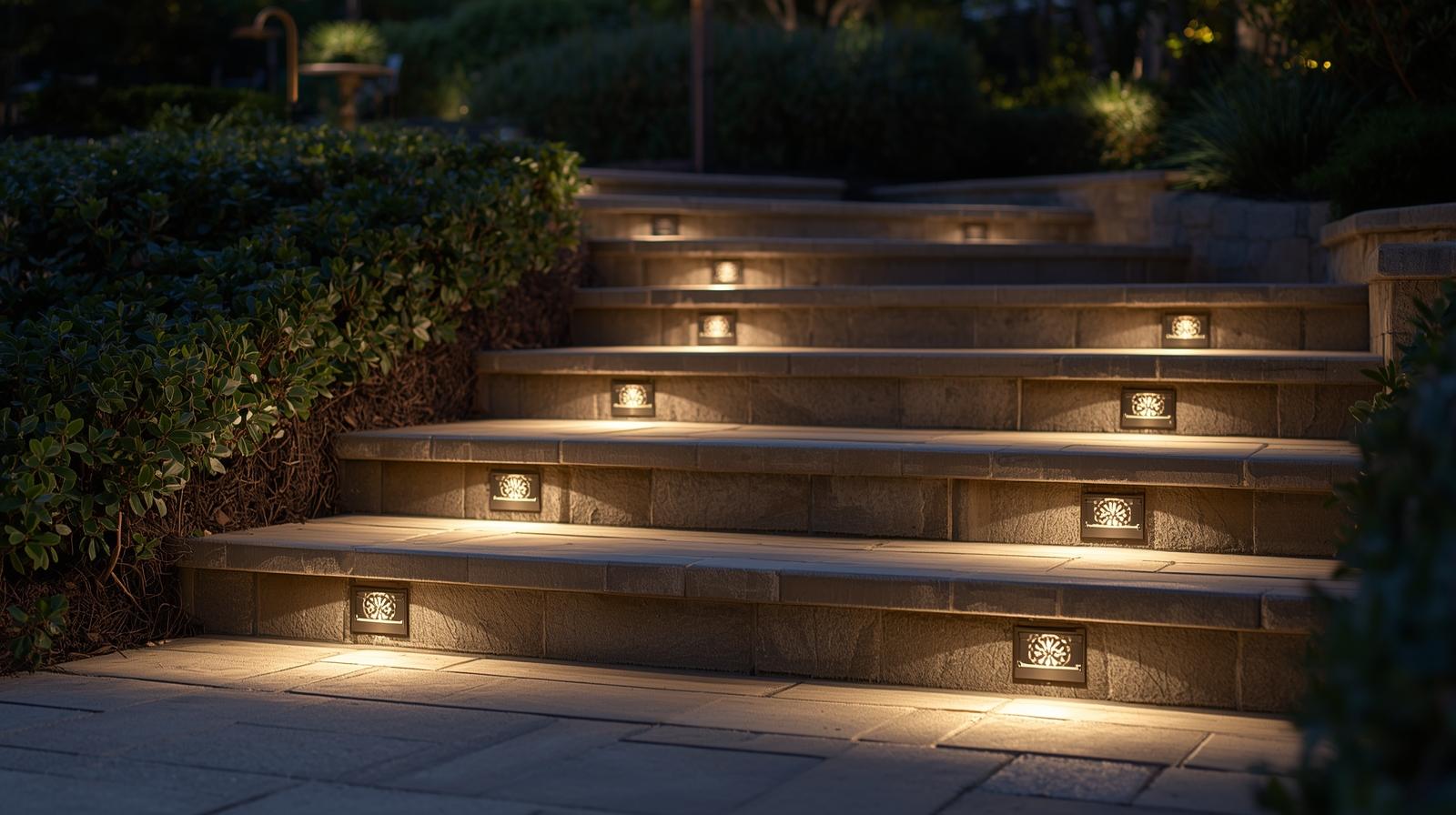
Outdoor lighting has undergone a dramatic transformation in the last two decades. It is no longer a mere utility, limited to porch lights or flood lamps. Instead, it plays a central role in exterior design, safety, and energy efficiency. Thanks to advances in LED technology, homeowners can now craft exterior lighting schemes that are subtle, stylish, and environmentally responsible. This shift has positioned outdoor lighting as a hallmark of modern landscaping.
In earlier years, outdoor fixtures were largely utilitarian, focused on functionality and longevity. They were often bulky, overly bright, and indiscriminate in their illumination. Today’s approach is more nuanced. Designers favor fixtures that integrate with architectural elements, emphasize contours, and preserve the ambiance of the night. Among the most valuable tools in this toolkit are LED step lights, which offer both safety and visual refinement.
These improvements have been made possible by LEDs, which provide precise control, long lifespans, and greater energy savings. LEDs also emit less heat, operate efficiently in low-voltage environments, and support a wide variety of designs. These traits make them an obvious choice for outdoor settings, especially when the goal is to blend utility with aesthetics. Step lights in particular demonstrate how LED technology has elevated outdoor lighting from a commodity to a craft.
The Role of Step Lights in Landscape Design
In any well-lit outdoor environment, step lights play a critical yet understated role. Their primary function is safety, ensuring that stairs, ledges, and elevation changes are clearly visible after sunset. But they do more than reduce the risk of accidents; they help shape how we experience space. Step lights guide movement, set rhythm, and highlight craftsmanship in hardscape elements like stonework and decking.
Designers use step lighting to lead the eye, define perimeters, and extend architectural lines beyond the walls of the home. When strategically placed, they can create patterns of light and shadow that enhance the natural beauty of a space. For example, lights embedded in stair risers or mounted beneath treads cast a warm wash across stone or wood, enriching textures and colors that might otherwise go unnoticed.
Layering is another key principle in landscape lighting. Step lights work best when used in conjunction with path lights, garden accents, and wall washers. Together, these fixtures form a cohesive lighting plan that balances function with atmosphere. The right step lighting doesn’t compete for attention; instead, it enhances the nighttime environment by creating continuity and depth throughout the landscape.
Choosing Quality: What Defines a Great Outdoor Step Light
The foundation of effective step lighting is quality both in construction and performance. Outdoor fixtures must endure harsh elements such as moisture, heat, and seasonal changes without compromising their integrity. Materials like cast brass, marine-grade stainless steel, and powder-coated aluminum are commonly used to ensure corrosion resistance and structural longevity. A well-constructed fixture will not only stand up to the environment but also retain its finish and functionality over years of use.
Performance is equally vital. The best outdoor step lights deliver consistent illumination while avoiding glare and light pollution. High-quality LED modules allow for precise control over brightness and color temperature, providing warm, inviting light that enhances safety and complements surrounding materials. Optics and lensing also play a crucial role, ensuring that the light is directed where it’s needed across the step surface without spilling into unwanted areas or creating harsh contrasts.
As homeowners invest more in outdoor environments that balance safety, efficiency, and design, choosing the right LED step lights becomes a key consideration. For those looking to make an informed decision, turning to trusted suppliers like Buy Rite Electric can provide valuable guidance. They offer a wide selection of high-quality LED lighting solutions designed for lasting durability, energy efficiency, and aesthetic appeal. Their assortment of LED landscape lighting supports high-performance applications across patios, walkways, staircases, and garden transitions, ensuring both functional and visually pleasing results.
The Art and Science of Light Placement
Proper placement is just as important as product quality when it comes to outdoor step lighting. Illumination should be subtle yet effective, bright enough to guide movement but not so intense that it distracts or overwhelms. Designers approach step lighting with precision, considering the layout of the space, traffic patterns, and architectural features. This process helps ensure that the lighting supports natural movement and visual harmony.
Fixtures can be installed in a variety of ways, depending on the material and shape of the steps. Recessed lights embedded into stone risers offer a clean, modern appearance while minimizing glare. Under-tread fixtures, by contrast, can cast a soft downward glow that defines the entire step edge. In both cases, careful spacing ensures even light distribution and avoids patches of darkness that could compromise safety.
Lighting temperature also plays a vital role. Warm white (around 2700K to 3000K) is preferred for most residential applications, as it creates a cozy, inviting effect. Cooler temperatures may suit contemporary designs but can feel harsh in garden settings. Ultimately, placement and temperature must work in concert to highlight the stairs without calling undue attention to the lighting itself.
Energy Efficiency and Sustainability
Efficiency is a defining characteristic of modern LED landscape lighting. LEDs consume far less electricity than traditional bulbs, offering homeowners a chance to reduce energy bills without sacrificing brightness or clarity. In fact, many LED step lights operate effectively on low-voltage systems, which are safer to install outdoors and more energy-conscious in the long run.
The environmental advantages are just as compelling. LEDs generate less heat and contain no toxic materials like mercury. They also last significantly longer than incandescent or halogen bulbs, with many rated for over 50,000 hours of use. This durability reduces both waste and the need for frequent maintenance or replacements.
Sustainability extends beyond the bulb itself. Advanced lighting systems now include smart controls such as motion sensors, timers, and app-based programming. These tools allow homeowners to reduce runtime, dim lights during inactive periods, or automate schedules based on seasonal changes. Smart lighting not only saves money and energy, it also enhances the user experience.
Design Aesthetics and Visual Impact
From a design perspective, step lights are as much about feel as they are about function. They should complement the home’s architecture and extend its design language into the surrounding landscape. In modern settings, minimalistic fixtures often sit flush with hardscapes, disappearing by day and casting clean, controlled lines of light by night. In more traditional environments, bronze or antique finishes may echo classic architectural details.
Color temperature and light direction influence the overall aesthetic. Warmer lights produce a soft, welcoming atmosphere that’s ideal for patios, porches, and garden stairs. Cooler lights, on the other hand, accentuate geometric features and materials like concrete or steel. The right combination creates visual continuity from one element of the landscape to the next.
Step lights also provide creative opportunities for layered lighting effects. When paired with wall sconces, bollard lights, or tree uplighting, they help form a cohesive nighttime scene. These combinations define space, guide foot traffic, and reveal the depth and texture of natural and built elements. A thoughtfully lit stairway does more than ensure safe passage; it enhances the entire outdoor living experience.
Installation, Maintenance, and Longevity
Installing outdoor step lighting is not a task to be taken lightly. It involves more than simply affixing a fixture to a riser or post. Proper installation includes wiring for low-voltage systems, sealing against moisture, and ensuring that all components are rated for outdoor use. For this reason, many homeowners choose to work with licensed professionals or experienced landscape contractors.
Once installed, LED fixtures require very little upkeep. Most are designed to be weather-resistant and maintenance-free for years. However, occasional checks can prevent problems down the line. Cleaning lenses, testing brightness levels, and inspecting for debris or corrosion will help preserve both performance and appearance.
The longevity of any lighting system ultimately depends on product quality and installation technique. Fixtures made with inferior materials or poor seals may fail prematurely. Conversely, those built for outdoor use and installed properly can last a decade or more without issue. Choosing well from the start not only protects the investment but also ensures consistent performance over time.
Elegant Efficiency: The New Era of Outdoor Step Lighting
Technology continues to influence how we light our homes, and step lighting is no exception. Smart integration is becoming the new norm, allowing lights to be controlled remotely, programmed with schedules, or even synced with other smart home systems. Voice commands, geofencing, and app control offer unprecedented flexibility and efficiency.
Future innovations may also include adaptive lighting systems that adjust based on ambient light, occupancy, or weather conditions. These features promise even greater energy savings and user convenience. As homeowners demand more from their lighting systems, manufacturers are responding with products that balance intelligence with elegance.
The future of outdoor step lighting lies in its seamless integration. The best fixtures will become nearly invisible during the day and intuitively responsive at night. In this future, outdoor lighting won’t just light the way it will be an extension of the home’s design, technology, and sustainability ethos.