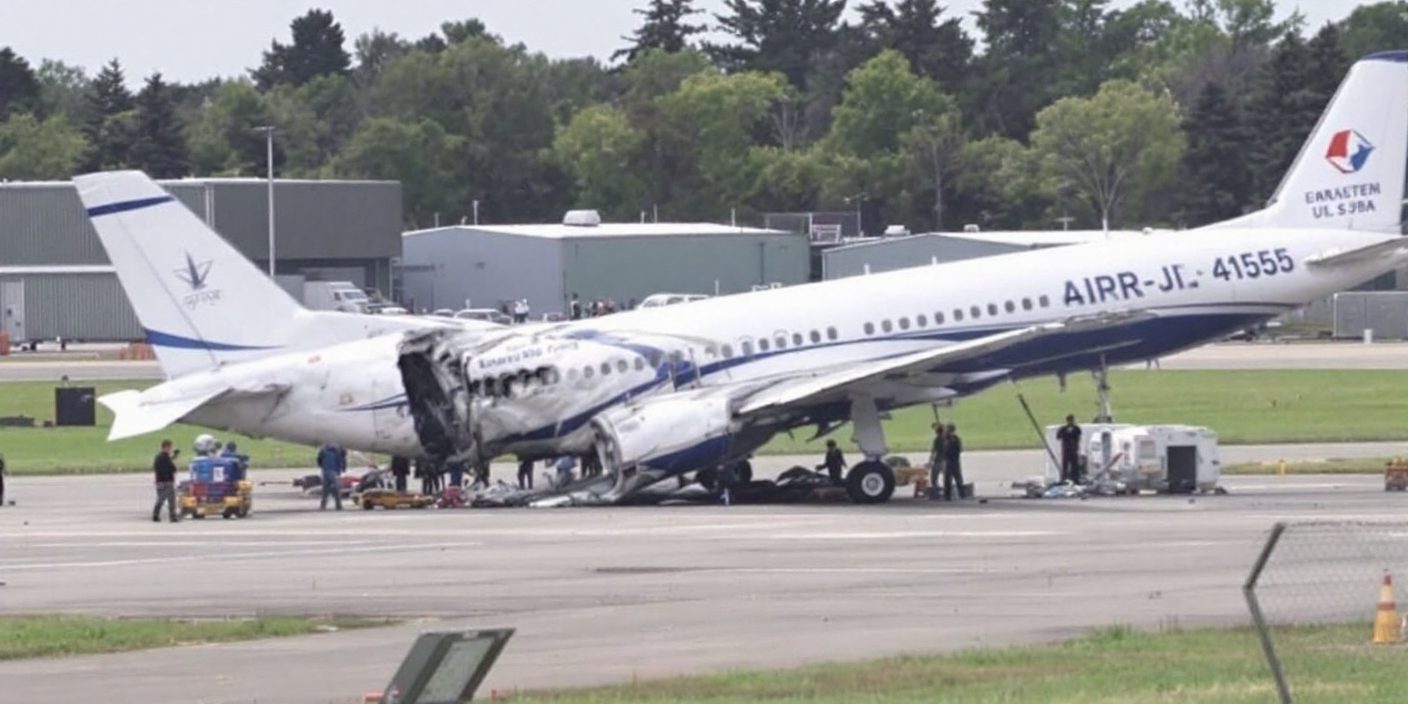
When most people think about hiring a lawyer after an accident, they turn to a personal injury attorney. This makes sense for car crashes, slip-and-fall incidents, or workplace injuries. However, aviation accidents are a different world entirely, governed by unique laws, requiring specialized knowledge, and involving multiple layers of technical and legal complexity.
The reality is that not all personal injury lawyers are equipped to take on aviation cases. In fact, choosing the wrong attorney can jeopardize your chances of recovering full and fair compensation.
1. The Complexity of Aviation Law
Aviation law combines elements of federal regulations, international treaties, and state personal injury statutes. Unlike car accident cases, where fault is often determined by traffic laws and witness testimony, aviation cases may involve:
- The Federal Aviation Administration (FAA) rules and compliance records.
- International agreements like the Montreal Convention.
- Detailed technical evidence from flight data and cockpit voice recorders.
- Safety protocols for aircraft design, maintenance, and operation.
A lawyer without experience in these areas may miss key liability issues or fail to use available evidence effectively.
2. The Technical Nature of Accident Investigations
Investigating an aviation accident requires more than legal skills; it demands an understanding of aeronautical engineering, flight operations, and safety procedures.
Effective attorneys work with experts such as:
- Aviation engineers analyze mechanical or design failures.
- Accident reconstruction specialists to piece together the sequence of events.
- Former pilots or crew to evaluate procedural compliance.
- Medical experts to document and quantify injuries.
Personal injury lawyers who lack established networks in the aviation industry may be at a significant disadvantage.
3. Multiple Parties and Jurisdictions
In many aviation cases, liability is shared among several entities:
- The airline operating the flight.
- The aircraft manufacturer.
- Component suppliers.
- Maintenance contractors.
- Air traffic control agencies.
Each party may be located in a different state or country, requiring litigation in multiple jurisdictions. This creates procedural challenges that are unfamiliar to general personal injury practitioners.
4. International Flight Complications
If the accident occurred on an international flight, additional legal considerations arise under the Montreal Convention. This treaty governs the rights of passengers injured or killed during international air travel and imposes strict rules on:
- Where a lawsuit can be filed.
- How liability is determined.
- Time limits for bringing a claim.
Failure to comply with these rules can result in dismissal, regardless of the case’s merits. Attorneys without aviation experience may not even be aware of these pitfalls until it’s too late.
5. The Aggressive Defense Strategies of Airlines
Airlines and their insurers have vast resources, including legal teams that specialize in defending aviation claims. These teams often employ tactics such as:
- Offering quick settlements before injuries are fully assessed.
- Arguing that the accident was due to uncontrollable weather events.
- Shifting blame to pilots, maintenance crews, or third-party contractors.
- Disputing medical evidence to reduce compensation.
An experienced aviation accident lawyer knows how to counter these strategies with expert testimony and thorough evidence gathering.
6. Evidence Preservation and Access
Aviation accidents trigger investigations by agencies like the National Transportation Safety Board (NTSB) in the U.S. These investigations take months or years to complete, and the official reports may not be available right away.
Specialized attorneys can:
- File legal motions to preserve aircraft parts, maintenance logs, and flight data.
- Obtain interim investigative findings to begin building a case early.
- Work alongside independent experts to verify or challenge official conclusions.
Without prompt and informed legal action, crucial evidence can be lost, destroyed, or altered.
7. Understanding State-Specific Legal Nuances
Even though aviation is heavily regulated at the federal and international levels, state laws still influence certain aspects of a claim, including damage caps, wrongful death statutes, and the statute of limitations.
In New York, for example, wrongful death damages are calculated differently than in many other states, focusing on financial losses rather than emotional suffering. This makes it critical to work with a New York aviation accident lawyer who understands both the state’s unique legal framework and the broader aviation context.
8. Calculating Full Damages in Aviation Cases
Injury compensation after an aviation accident often extends far beyond immediate medical bills. A qualified lawyer will evaluate:
- Long-term rehabilitation costs.
- Loss of future earning capacity.
- Psychological trauma, such as PTSD.
- Modifications needed to homes or vehicles for disabled survivors.
- Loss of companionship in fatal cases.
These calculations require collaboration with financial experts, life care planners, and medical professionals, resources not always available to general personal injury lawyers.
9. The Importance of Experience in Settlement Negotiations
Because aviation cases are high-stakes, settlements often involve large sums. Airlines are motivated to settle quietly to avoid public scrutiny, but they will rarely offer the full amount victims deserve without pressure.
Experienced aviation lawyers know:
- How to present evidence to maximize leverage in negotiations.
- When to reject low offers and prepare for trial.
- How to handle multi-party settlement talks efficiently.
Without this experience, victims risk accepting settlements that fail to cover their long-term needs.
10. Trial Experience in Aviation Litigation
While many cases settle before trial, some require courtroom litigation. Aviation trials can be highly technical, with jurors needing to understand complex flight systems, engineering principles, and international regulations.
A skilled aviation attorney will be able to simplify these concepts without losing accuracy, making it easier for juries to grasp the key facts. Lawyers without this skill set may struggle to present the case effectively.