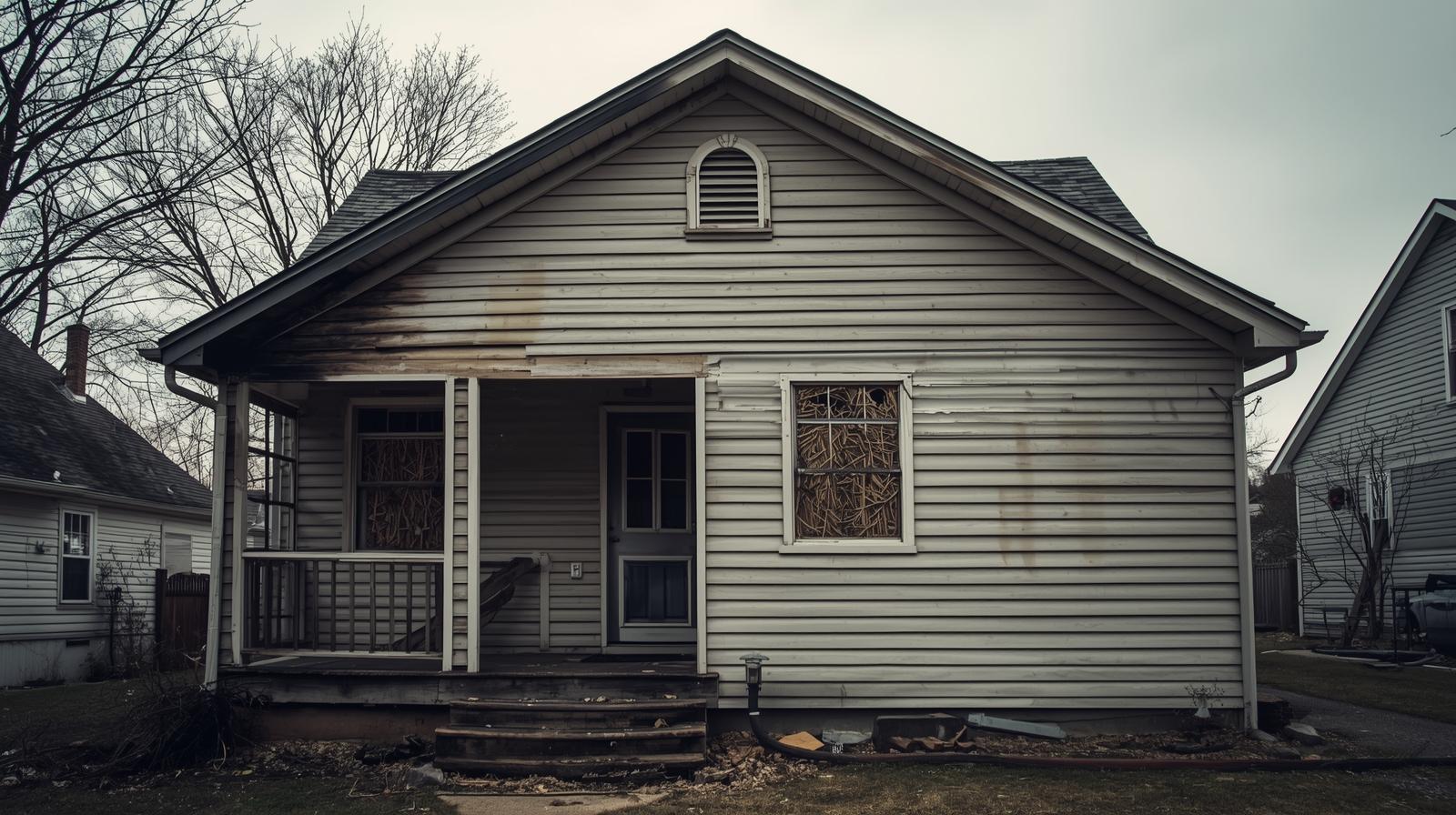
When damage from weather, termites, or fire leaves a property in disarray, selling can feel like an uphill climb. Roof leaks, stained floors, and mounting paperwork turn urgency into stress. Still, opportunities exist for homeowners—local investors often look for houses that need repairs and offer flexible purchase options.
Many cash home buyers in San Antonio specialize in purchasing properties as-is, helping sellers move forward without long delays or expensive renovations. Knowing how condition influences price, disclosure, and closing costs helps homeowners compare offers with clarity. With solid documentation, realistic quotes, and vetted buyers, even a damaged house can become a smooth, timely sale.
Evaluating the Real Condition of the Property
Ceiling stains often reveal more than a brief leak report ever could. Inspect attic insulation for dampness, probe baseboards for buckling, and scan the foundation for hairline cracks. Check for smoke staining near fixtures, warped trim, or lingering odors. Photograph each issue from multiple angles and note dates.
Three competitive repair estimates, each with line-item pricing and realistic timelines, frame expectations for buyers and lenders. Include contractor contact info and photos linked to each quote. When damage reports are ambiguous, an independent inspector can confirm safety issues and help prioritize fixes. A dated folder keeps everything together; a single PDF tends to work best.
Knowing What You’re Required to Disclose in Texas
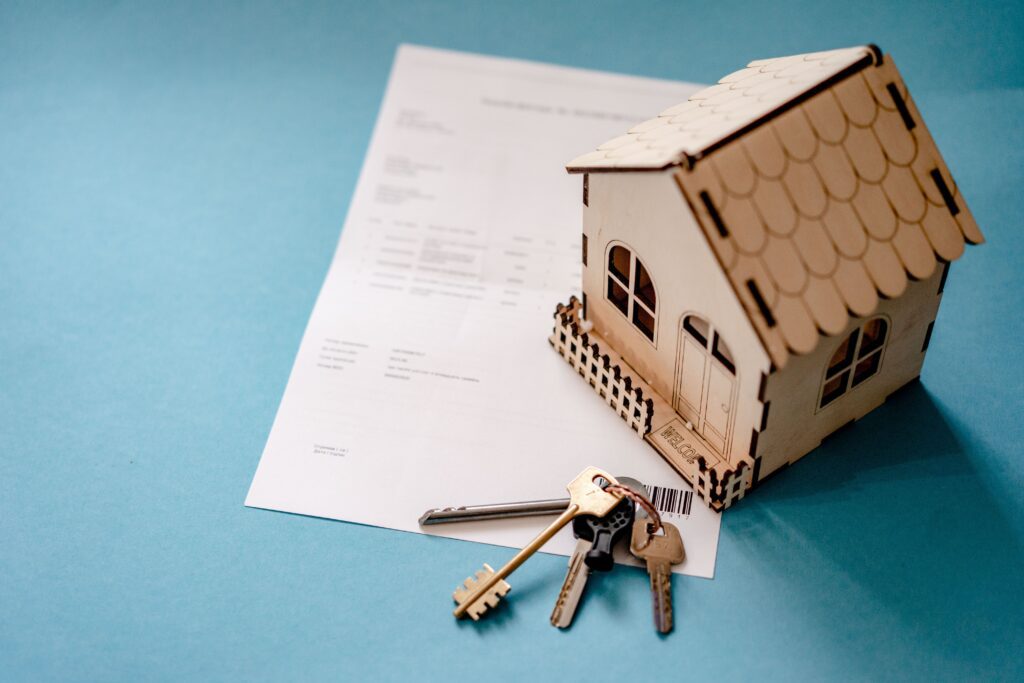
A table of repair invoices, a roof photo, and a pest receipt make everything clear for potential buyers. Texas law requires sellers to complete the Seller’s Disclosure Notice, listing all known property issues. Include repair dates, contractor names, permits, insurance claims, and pest treatment details. Attach receipts and warranty documents so every claim matches proof.
Accurate disclosure not only fulfills legal duty but builds confidence with buyers who value transparency. Scan all files into one dated PDF, back them up to the cloud, and share a single link for agent review. Organized records simplify title checks, reduce surprises, and speed closing.
Weighing Repair Costs Against Selling As-Is
Stacks of contractor estimates often make the trade-offs clear—quick as-is offers compete with longer repair paths that may raise price but delay closing. List expected repair costs, holding expenses, timelines, and projected proceeds to see the true financial difference before choosing a direction. Evaluating insurance coverage limits and potential claim payouts alongside these numbers provides a more accurate view of total value and possible recovery.
Prioritize repairs that protect safety and marketability: foundation, wiring, and pest issues. Cosmetic updates can wait for the next owner. Some sellers find that accepting a fair as-is offer saves stress and time while preserving equity. Three itemized bids and clear holding-cost math often reveal whether repairing or selling outright delivers the better financial outcome.
Working With Local Buyers Who Purchase Damaged Homes
A stack of business cards, cash-offer letters, and a printed spreadsheet on the kitchen island signals active San Antonio buyers. Solicit multiple offer types: cash investors, small rehabbers, and companies that buy as-is. Compare closing timelines, financing contingencies, repair credits, escrow holdbacks, and any fees beyond the headline price to see true value.
Vet each buyer by checking local address, online reviews, recent San Antonio closings, and a reference or two. Request proof of funds and the title company they plan to use. Sample contracts reveal hidden terms. Having three vetted offers on file makes side-by-side comparison clear and reduces surprises.
Preparing for Closing and Moving On Smoothly
Boxes in the garage and a cleared pantry mark the final week before closing. Remove personal items, hazardous liquids, and perishables; sort donations and trash early. Arrange a licensed pickup for leftover paint or solvents, and collect all keys, remotes, and manuals in one spot for the buyer. Taking time to patch nail holes, replace lightbulbs, and sweep surfaces creates a cleaner presentation and a better handoff experience for everyone involved.
Gather deed, mortgage statements, insurance paperwork, and the signed Seller’s Disclosure into one labeled PDF to share with your agent and title company. Confirm payoff amounts, lien releases, and wire instructions ahead of time. Verifying transfer details by phone prevents fraud and last-minute stress, allowing closing day to feel smooth, secure, and complete.
Selling a damaged home starts with clarity and ends with preparation. Gather honest assessments, clear photos, and three repair quotes to guide your pricing and disclosure. Complete the Texas Seller’s Disclosure Notice thoroughly, attach all receipts, and confirm details with your title company early. Compare repair-based resale value against as-is offers from verified local buyers to find your best outcome. Keep records organized and communication transparent through every step. With the right documentation and trusted partners, even a damaged home can sell smoothly—turning what began as stress into a confident, timely transition toward your next chapter.