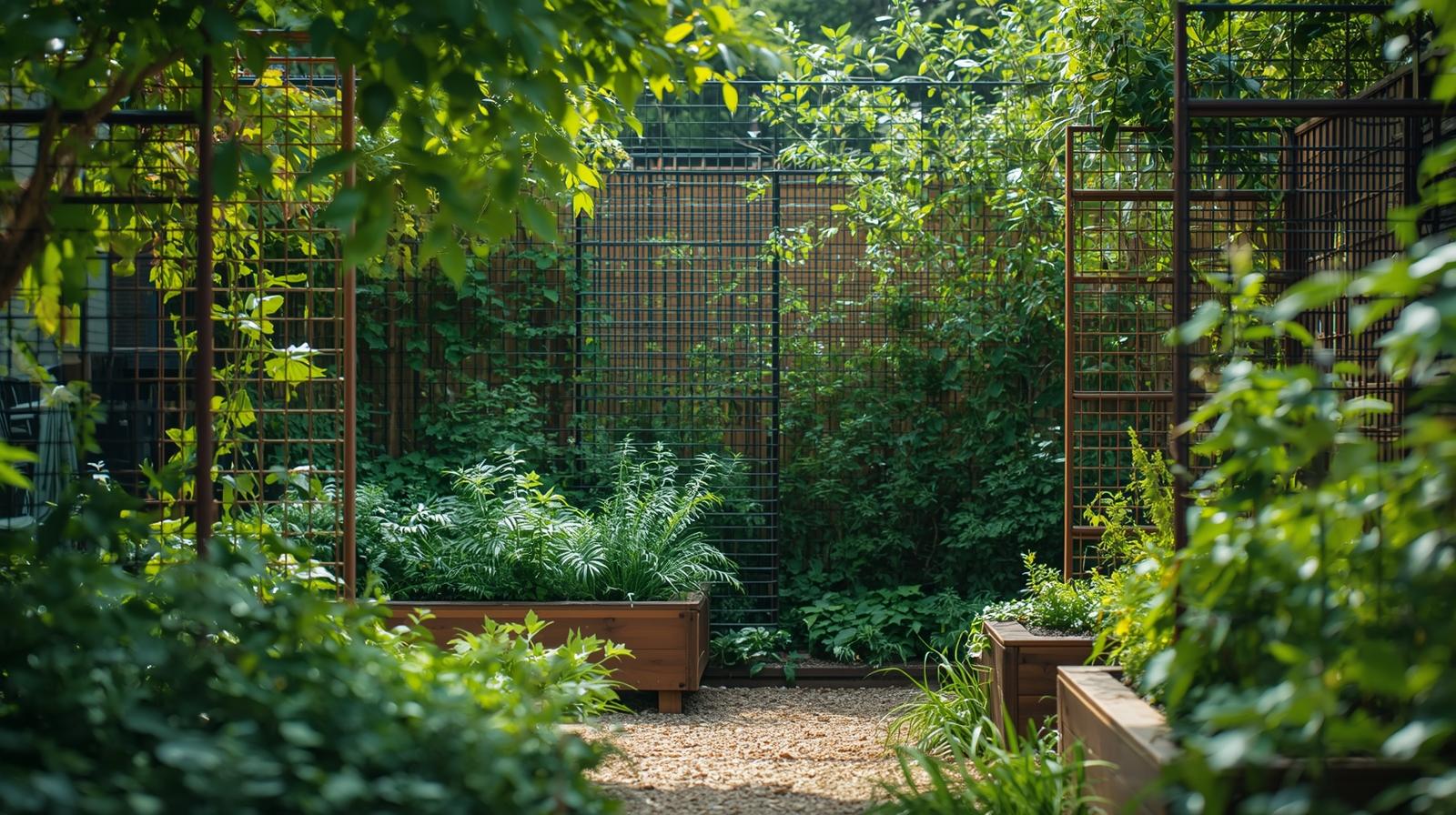
Sustainable building needs smart materials that support cleaner practices without adding waste. Metal lattice sheets provide strong structure for boundaries shelving facades plus safety guards indoors or outdoors. Production uses efficient processes with lower resource demand compared to thick solid sheets from virgin stock. Open grids allow light and airflow which reduce cooling loads during warm months across various climates. Reuse after projects stays simple because the sheets cut cleanly using common tools without complex steps. Maintenance remains minimal since surfaces resist rust with coatings plus routine checks keep performance stable. Like heavy duty wire mesh panels design choices support reuse plans across many project types.
Material Impact
• Recycled steel content reduces extraction of virgin ore for new production cycles.
• Lightweight lattice uses less material per square area without sacrificing strength.
• Open grid design reduces paint use since less surface requires protective coating.
• Manufacture requires lower heat compared to thick plates which saves energy.
• Offcuts reenter scrap streams easily enhancing the circular flows across local facilities.
• Compact bundles fit more units per haul reducing trips for shipments.
• Precise spacing avoids excess metal delivering resource efficiency across projects.
• Rust resistant finishes extend service life reducing frequent replacements and waste.
• Non toxic coatings support safer handling during installation or removal activities.
• Clean edges allow safer cuts which reduce workplace incidents during fabrication.
• Standard sizes simplify ordering, reducing incorrect quantities that cause waste.
• At the end of life components separate quickly which streamlines recycling.
• Surface openness reduces coating thickness which lowers paint solids applied significantly overall.
Energy Savings
Permeable grids let breezes pass through lowering cooling demand in warm periods. Shade screens reduce sun exposure on surfaces which decreases heat buildup indoors. Natural airflow reduces reliance on intensive fans which lowers power consumption. Daylight penetration improves visibility which limits the need for artificial lighting hours. Slim sections cool faster after heat treatment, reducing total furnace hours. Spacing allows stack storage without thick packaging which reduces material use. Open structure dries quickly after rain preventing prolonged moisture retention. Reduced mass means easier lifting which decreases powered equipment operation time. Simple cleaning needs fewer resources which conserves water and detergents. Design accommodates plants for shading which improves microclimate near surfaces. Transparent grids reduce pressure on air systems during seasonal peaks. Thermal breaks integrate easily with frames improving insulation around edges.
Life Cycle
• Durable build resists warping which supports long service across harsh conditions.
• Surfaces accept repainting which extends years of use with minimal effort.
• Fast repairs happen using simple tools which limit downtime during operations.
• Modular sections adapt to new projects reducing cost for fresh materials.
• After primary use pieces convert into cages, racks , screens or protective guards.
• Straightforward joints simplify disassembly which speeds separation for recycling streams.
• Sturdy welds resist knocks which preserve structural integrity during frequent handling.
• Coatings without toxins support safer disposal under typical rules for scrap.
• Clear specifications help buyers match grades which avoids wasteful mismatched orders.
• Reusable offcuts work for small fixtures, shelves baskets plus project prototypes.
• Well managed inventories lower surplus which reduces idle stock at sites.
• Wire mesh panels integrate with timber frames or metal posts using clamps.
Greener Outcomes
Choosing grid based systems supports cleaner projects from first plan through later changes. Specify recycled inputs then track scrap returns so materials keep flowing responsibly. Prefer heavy duty wire mesh panels that invite breezes which ease cooling needs during warmer seasons. Select durable finishes free from toxins so teams handle work without exposure risks. Design joints for quick release because components deserve another job after initial service. Finally select wire mesh panels where suitable since they balance strength with resource care. Map procurement with grades then share guidance so crews order correctly which prevents mismatches reducing waste across storage rooms and job areas.