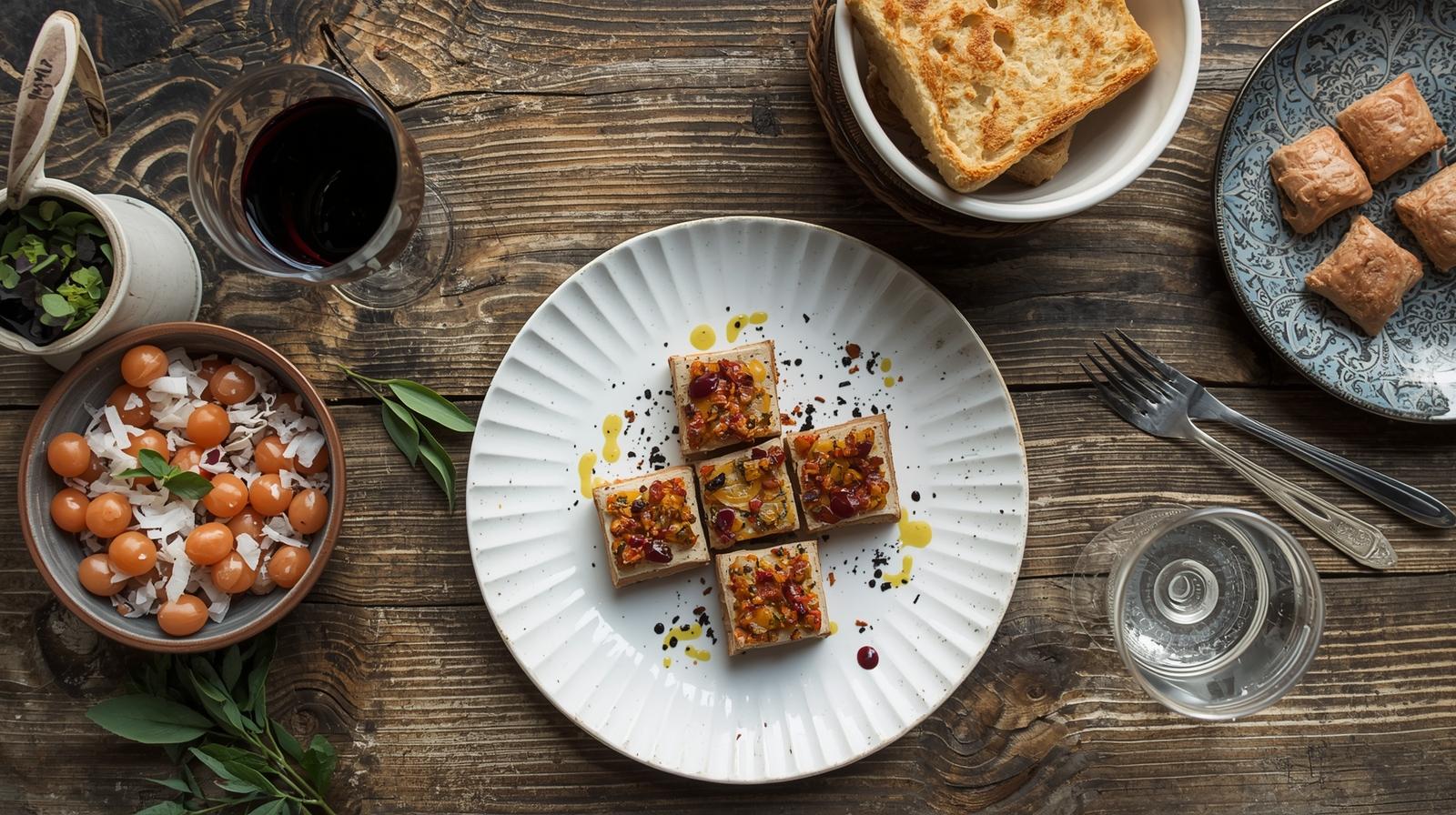
To truly understand a place, one must learn to speak its language. While we often think of this in terms of spoken words and dialects, the most ancient and intimate language of any culture is its food. Beyond the grand monuments and museums, the flavors, ingredients, and textures of a local cuisine communicate the story of a people more eloquently than any guidebook. This is the quiet revelation offered by immersive cooking tours, which treat food not as a commodity but as a cultural text. They allow us to move past the role of a passive observer and become an active participant in a region’s daily rituals. This exploration delves into how these hands-on culinary experiences act as a form of translation, decoding the rich narratives of history, geography, and values that are embedded in the simple, profound act of preparing and sharing a meal.
The Grammar of the Land: Terroir and Ingredient-Driven Narratives
The foundational vocabulary of any cuisine is its terroir—a French term that extends far beyond wine. It is the unique expression of a place’s soil, climate, and geography, a combination of factors that dictates which plants and animals thrive. This is the grammar of the land, and it shapes every authentic local dish.
The main points that define a region’s terroir include:
- The Soil: Its unique mineral composition and structure directly influence the flavor of the plants that grow in it.
- The Climate: Factors like sunlight, rainfall, and temperature range determine which crops can prosper and when.
- The Geography: Proximity to oceans, mountains, or plains dictates the availability of specific resources, from fresh seafood to hardy root vegetables.
- Local Ecosystem: The combination of these elements creates a unique ecosystem of native plants and animals that forms the region’s natural pantry.
A recipe from a sun-drenched Mediterranean coast speaks a language of olive oil, citrus, and fresh seafood because that is what the environment provides. Conversely, the cuisine of a rugged mountain region tells a story of hardy root vegetables, preserved meats, and resilient grains. Learning to cook a local dish is therefore an exercise in understanding this logic. You begin to see that the ingredients are not arbitrary choices but a direct and sensible response to the character of the land, a culinary narrative written by the place itself over countless generations.
History on a Plate: Techniques as Cultural Artifacts
If ingredients are the vocabulary of a cuisine, then cooking techniques are its living history, passed down as cultural artifacts from one generation to the next. These methods are not just sterile instructions in a recipe; they are stories of a region’s past. A culture’s historical circumstances are often legible in its cooking methods:
- Slow-cooking tough cuts of meat: This tells a story of economic necessity and the resourcefulness required to make less expensive ingredients tender and delicious.
- Preserving a harvest: The arts of canning, curing, and pickling reveal a time before refrigeration, when foresight and skill were essential for surviving lean months.
- Elaborate pastry and sauce work: These complex techniques often point to a history of aristocratic kitchens with access to leisure, specialized labor, and expensive ingredients like white flour and refined sugar.
These peasant traditions, born of making the most of what was available, stand in contrast to the methods of aristocratic kitchens, which tell a different story of wealth and access. To learn a technique is to engage with these stories, holding a piece of a culture’s past in your own hands.
The Syntax of a Region: A Case Study in French Cuisine
Perhaps no other country illustrates the concept of taste as a regional language better than France. Here, the syntax of a meal—the way ingredients are combined and prepared—changes dramatically from one region to another, each telling a unique story. In Normandy, the cool, damp climate yields lush pastures for dairy cows, resulting in a cuisine rich with butter, cream, and Camembert cheese. Travel south to sun-drenched Provence, and the language shifts entirely to one of olive oil, tomatoes, garlic, and Mediterranean herbs. The hearty, German-influenced food of Alsace, with its sausages and choucroute, speaks of a different history and border than the delicate, seafood-centric cuisine of Brittany. Embarking on a culinary tour France is like learning a new dialect in every town. It reveals that the country’s celebrated national cuisine is not a monolith, but a vibrant collection of distinct, hyper-local food traditions, each a delicious expression of its specific place on the map.
A Deeper Conversation: The Immersion of a Cooking Class
While a tour can teach you the vocabulary of a region’s food, a hands-on cooking class allows you to become fluent. It is an invitation to a deeper conversation, where you learn the nuances of the language by speaking it yourself. There is no better place to have this conversation than in Lyon, the undisputed gastronomic capital of France. The city’s culinary identity is built on a foundation of skill, resourcefulness, and an uncompromising respect for local ingredients. Participating in a Lyon cooking class, for instance, does more than teach you how to prepare a classic dish like Coq au Vin or Pike Quenelles. It connects you directly to the legacy of the “Mères Lyonnaises”—the legendary female chefs who established the city’s culinary reputation. You feel the weight of the knife, learn the patience required for a perfect sauce, and understand instinctively why a certain local wine is the only proper pairing.
Conclusion
To learn the language of a place through its food is to acquire a form of knowledge that is stored not in the mind, but in the senses. It is a lesson that is felt and remembered in a way that transcends simple facts or photographs. Understanding the story told by the ingredients, the history embedded in a technique, and the cultural values expressed in a shared meal connects with a destination on the most human level. The memory of kneading dough on a floured countertop in a foreign kitchen—a skill perhaps learned in a Lyon cooking class – or finally mastering the secret to a sauce you’ve only ever tasted in restaurants, becomes a permanent and personal souvenir. It is an intimate connection to a place that we can carry home with us, able to recreate a piece of its soul and speak its delicious language in our kitchens for years to come.