Photo by Lucas Monteiro from Pexels
Streetwear used to mean graphic tees, oversized hoodies, and enough denim to survive a fall off a skateboard. But times have changed. The new streetwear isn’t just about looking good—it’s about feeling good, too. And that means rethinking what’s actually touching your skin. Enter bamboo: a fabric that’s soft, strong, and surprisingly street.
While the aesthetic side of fashion still matters, more people are waking up to the reality that comfort, sustainability, and performance aren’t optional. They’re essential. This is especially true for younger brands and indie labels that value design but won’t compromise on ethics. One standout example? Basics made from bamboo that don’t just sit in your drawer—they steal the spotlight. Case in point: high-quality essentials like Men’s bamboo underwear, which prove that comfort and cool can actually coexist.
So what’s really going on with bamboo fabric—and why are streetwear designers suddenly obsessed with it? Let’s break it down.
What Makes Bamboo Fabric So Different?
Let’s get one thing out of the way: bamboo clothing isn’t just about saving the planet (although, yes, that helps). It’s about upgrading the stuff you wear every day. Bamboo fabric is made from the pulp of the bamboo plant, which is fast-growing, requires little water, and doesn’t need pesticides. But it’s not just the environmental win that’s turning heads.
Here’s what sets bamboo apart:
- It’s ridiculously soft. We’re talking “I never want to take this off” soft.
- It regulates temperature naturally. Warm when it’s cold, cool when it’s hot.
- It fights odors. Bamboo is naturally antimicrobial.
- It breathes. Sweat-wicking without the synthetic feel of polyester.
In other words, bamboo fabric handles everything your old cotton hoodie pretended it could.
The New Streetwear Uniform: Ethical, But Make It Cool
Streetwear has always been about expression. It’s meant to reflect who you are without having to say it. And right now, being conscious about your choices is part of the message. People want to feel good in what they wear—and feel good about what they wear.
That shift is where bamboo comes in. The fabric itself carries a quiet flex. It says: “I care, but I’m not shouting about it.” That’s the vibe that brands like Sly Collective tap into. Minimalist silhouettes, neutral tones, functional cuts—these are the pieces that let you move through the day with intention. They’re breathable, wearable, and grounded in materials that aren’t wrecking ecosystems.
No logos. No loud branding. Just substance with style.
Sweat, Style, and Staying Fresh
Let’s talk practicality. Streetwear might be rooted in skate culture and youth rebellion, but today it’s being worn by people commuting, working remotely, running errands, or dancing at late-night gigs. Which means the clothes have to show up.
This is where bamboo really starts to shine. Thanks to its sweat-wicking and anti-odor properties, bamboo fabric keeps you feeling fresh long after you’ve hit the pavement. It’s basically nature’s answer to technical wear—minus the shiny nylon and zippers that belong on a mountain, not your afternoon walk to the café.
Try this mental checklist:
- Soft enough to sleep in? Check.
- Polished enough to meet a friend for drinks? Check.
- Can wear it three times before washing? Honestly… also check.
That’s bamboo. It’s the closest thing to a cheat code for casual style.
Bamboo and Fit: Form-Following Function
One of the lesser-talked-about perks of bamboo clothing is the way it fits. Because bamboo fabric has a natural stretch and a smooth drape, it hugs the body just right—without clinging in the wrong places.
For streetwear, that’s a game-changer. Baggy or fitted, bamboo holds its shape. It doesn’t get stiff. It doesn’t pill like cheap cotton. And it doesn’t go boxy after a few washes. For men especially, pieces like bamboo joggers, oversized tees, or slim-cut tanks deliver the structure and flow you want—without sacrificing movement.
This matters when you’re layering, too. Bamboo tees are breathable enough to act as a base layer under an open flannel or jacket, while still looking finished if you wear them solo.
Behind the Trend: Why Designers Are Choosing Bamboo
Bamboo fabric has been quietly gaining ground in the fashion world, but it’s not just a trend grab. Designers love it because it plays well with both ethics and aesthetics. It also lets them design around a feeling—not just a look.
Here’s what’s fueling the switch behind the scenes:
- It dyes beautifully. Bamboo holds color without looking overly saturated.
- It works for minimalist cuts. Think boxy tees, drop-shoulder hoodies, wide-leg pants.
- It doesn’t wrinkle as much. Perfect for fuss-free dressing.
- It holds up under production. Bamboo blends are more durable than you’d think.
For independent fashion brands, especially those prioritizing low-impact production, bamboo is a reliable choice that fits their values without compromising on feel.
From Lounging to Launch Party: Versatility That Matters
If you’re someone who wants fewer, better things in your wardrobe, bamboo is your friend. Streetwear doesn’t have to be just for the ‘fit pics—it should work when you’re lounging, working, or traveling too. And because bamboo pieces are so easy to style, they move seamlessly between “I just rolled out of bed” and “yes, I planned this outfit.”
A bamboo hoodie over bike shorts? Weekend-ready.
Bamboo drawstring pants and a crisp tee? Airport uniform.
Boxy bamboo tee tucked into tailored trousers? That’s a whole vibe.
This kind of flexibility is what makes bamboo such a power player in the future of fashion—especially for folks who care about style, but not stress.
Eco-Credentials Without the Greenwashing
Let’s keep it real: “sustainable” gets tossed around so much it’s almost lost its meaning. But bamboo deserves some credit. When grown and processed responsibly, bamboo uses less water, regenerates quickly, and doesn’t require chemical pesticides. That makes it one of the more naturally low-impact fibers out there.
Of course, not all bamboo production is created equal. Brands doing it right—like Sly Collective—pay attention to how the fabric is processed, where it’s sourced, and what certifications back it up. That kind of transparency is what separates hype from actual impact.
So if you’re going to build a wardrobe that reflects your values, bamboo’s a strong place to start.
Caring for Bamboo Basics
The good news: bamboo isn’t high maintenance. But it does appreciate a little love.
Here’s how to keep your pieces looking fresh:
- Wash cold. Warm or hot water can break down the fibers faster.
- Air dry if you can. Bamboo doesn’t like heat.
- Avoid harsh detergents. Gentle soaps help the fabric last longer.
- Skip the bleach. Bamboo’s natural fibers don’t need it.
With the right care, your bamboo streetwear won’t just look good—it’ll outlast your cotton gear by a mile.
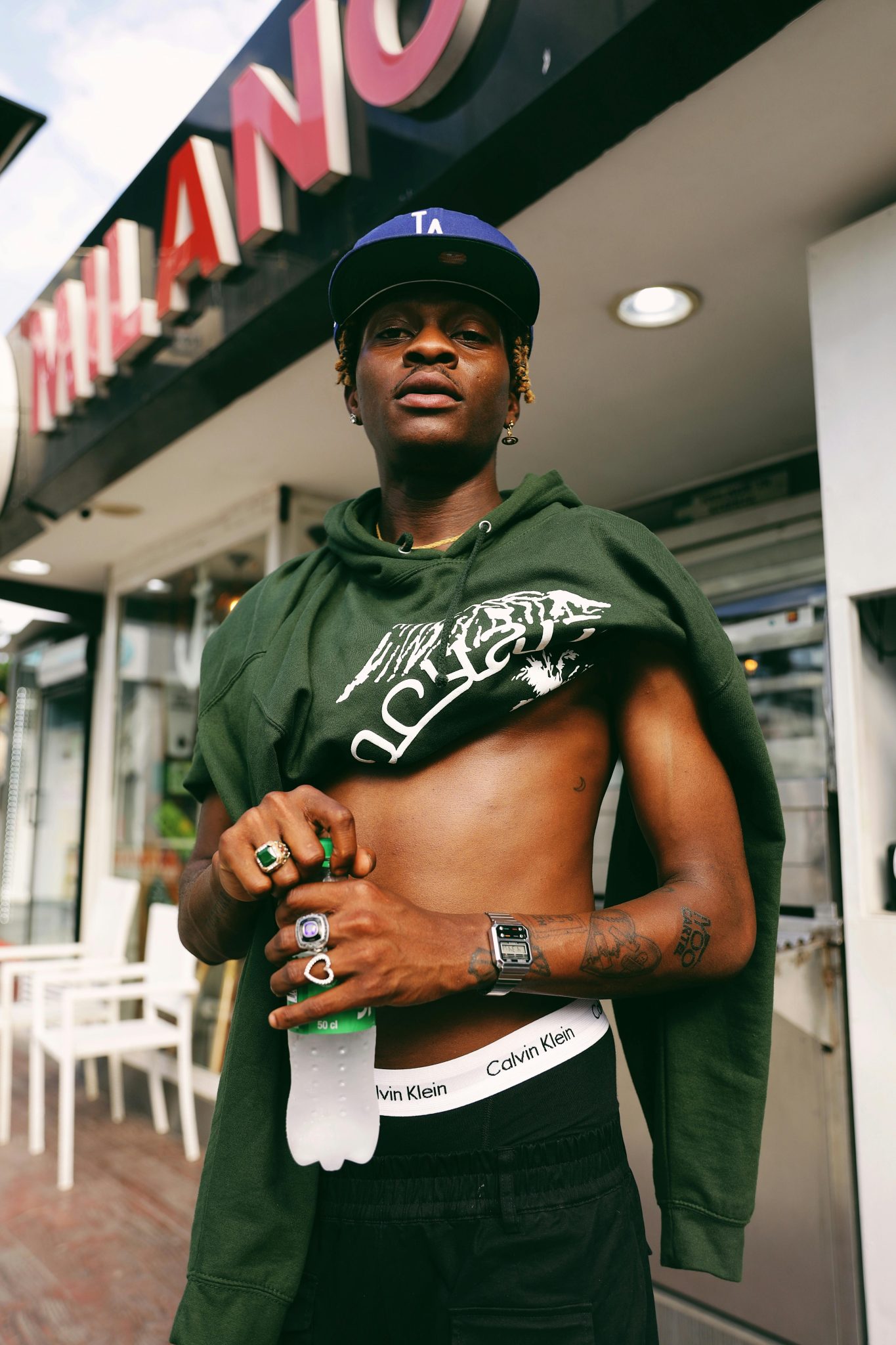
Photo by Isaac Udoye from Pexels
Final Thought: Streetwear That’s Actually Built for the Streets
Bamboo isn’t just a better fabric—it’s a better mindset. When you start with materials that feel good, perform well, and tread lightly on the planet, everything else tends to fall into place. That’s why bamboo is fast becoming the backbone of the new streetwear: style-forward, future-ready, and never trying too hard.
Whether it’s an oversized tee that drapes just right or Men’s bamboo underwear that you actually look forward to putting on, these pieces aren’t just upgrades. They’re the standard now.
So the next time you’re looking to freshen up your wardrobe, maybe skip the hype drops and check out what’s growing—in more ways than one.