When Tim Gannon founded Outback Steakhouse in 1988, he set the stage for an iconic culinary brand that would change the way people dined across America and the world. Little did he know, this would be the first chapter in a legacy of entrepreneurship that would span decades and see its next generation of leaders rise to equally remarkable heights.
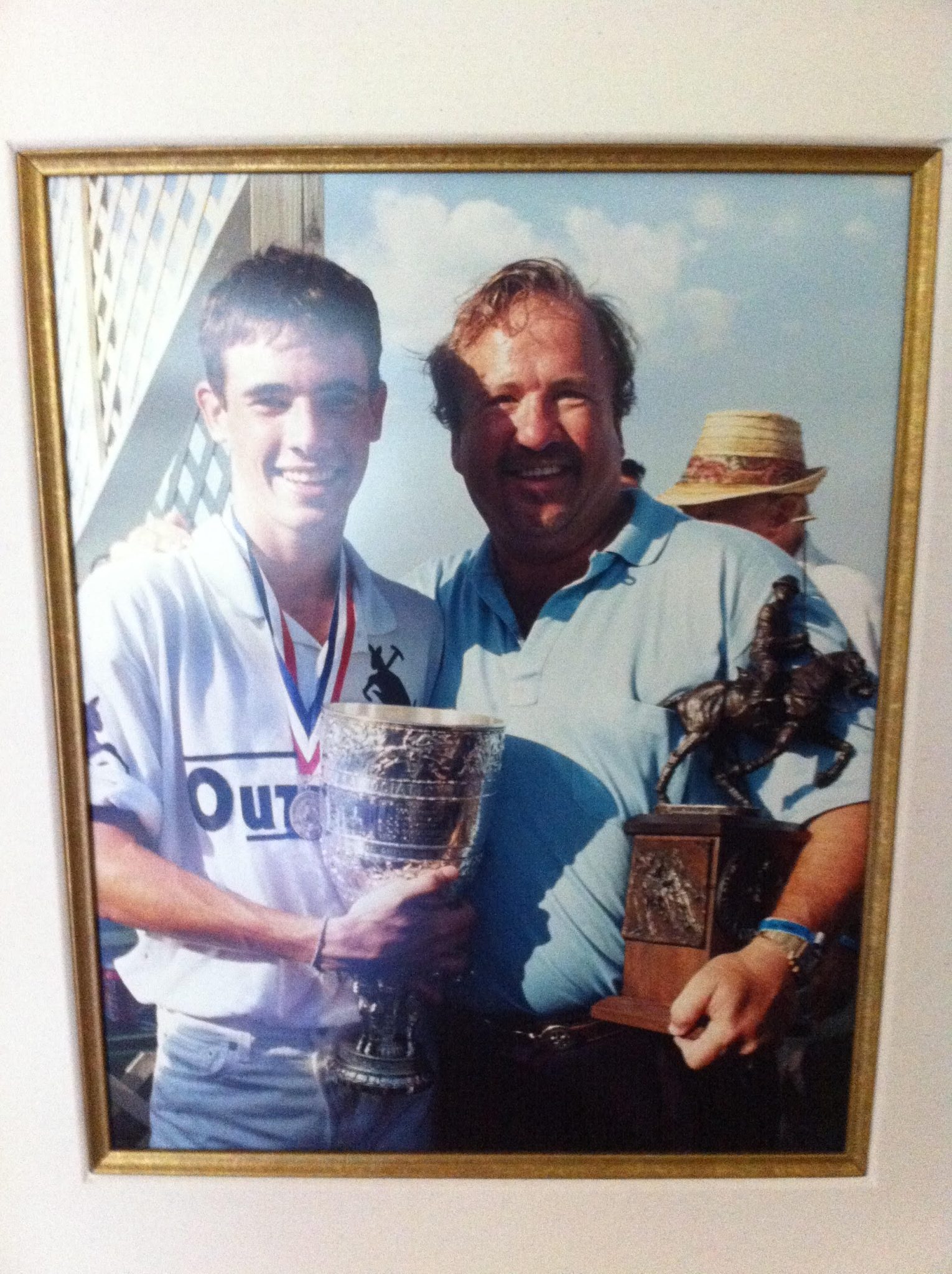
Fast forward to today, and Tim’s son, Chris Gannon, is carving his own path of success—first as the founder of the fast-casual restaurant Bolay, and also as a US Open Polo Champion. Chris’s father Tim has won three US Open Polo championships. As a child, Chris watched his dad be honored as Entrepreneur of the Year, beating out top companies like AOL. Many years later Chris won the same award. As both father and son have achieved remarkable feats in business and sport, their story is one of shared values, continued innovation, and the power of a strong family legacy.
A NEXT-GENERATION VISION: CHRIS GANNON AND BOLAY
Chris Gannon, Tim’s son, inherited more than just a name—he inherited a powerful entrepreneurial mindset. With a deep understanding of what makes a brand successful, Chris set out to build Bolay, a fast-casual restaurant that combines fresh, healthy food with an exciting dining experience. Bolay is a direct reflection of Chris’s commitment to quality, sustainability, and the future of dining. Where Outback Steakhouse revolutionized the casual dining experience, Bolay is at the forefront of the next generation of healthy, modern eating.
But Chris’s entrepreneurial spirit isn’t limited to the kitchen. As an accomplished polo player, Chris is a testament to the idea of balancing work with passion. He and his team have won the prestigious US Open Polo Championship, proving that leadership, discipline, and team-building skills aren’t confined to just the boardroom. His experience on the polo field parallels his entrepreneurial journey: both require resilience, strategy, and the ability to navigate through challenges with grace.
NEXT-GEN LEADERSHIP: WHAT WE CAN LEARN
As entrepreneurs and leaders, Tim and Chris Gannon exemplify key qualities that all aspiring leaders can emulate. Their ability to balance tradition with innovation, their dedication to mentorship, and their resilience in the face of challenges are all hallmarks of great leadership.
In a world that constantly evolves, both father and son have shown that the key to sustained success lies in adaptability and forward-thinking. Tim’s Outback Steakhouse revolutionized the restaurant industry, but Chris’s Bolay is positioning itself to change the future of fast-casual dining, with an emphasis on healthy eating and sustainability. As both Tim and Chris continue to build upon their respective legacies, they serve as an inspiration for the next generation of entrepreneurs to follow.
Q: Tim, can you share an overview of your background and how you got started in the restaurant industry?
Tim Gannon: My journey started in New Orleans, a city that I still consider one of the greatest culinary melting pots in the world. I spent 10 years there, five years with Steak and Ale and another five years working with Al Copeland, the mastermind behind Copeland’s Cajun cuisine. New Orleans taught me everything about the power of flavor, spices, and the emotional connection people have with food.
During my time with Al, I worked closely with legendary chefs like Warren LeRuth, a Michelin two-star chef, and I was deeply inspired by Paul Prudhomme, the genius who created blackened redfish. That’s where I learned how to blend spices and layer flavors in a way that would later become foundational to my success at Outback Steakhouse. But getting to Outback wasn’t a straight path. Before we launched it, I worked in several restaurants, learning the ins and outs of operations, marketing, and the magic behind creating food that people crave.
Q: How did Outback Steakhouse come to be?
Tim Gannon: It was really about recognizing an opportunity and surrounding myself with the right people. I always say that the single most important factor in success is choosing the right partners. That’s exactly what happened when I teamed up with Chris Sullivan and Bob Basham.
In 1987, we took everything we had learned from our years at Steak and Ale and applied it to something new—an Aussie-inspired steakhouse that was fun, flavorful, and focused on quality and value. But I didn’t just want a steakhouse; I wanted something memorable.

Q: How did you come up with the Bloomin’ Onion?
Tim Gannon: It was a combination of inspiration and problem-solving. Paul
Prudhomme’s blackened redfish had taken the food world by storm, and I realized that people weren’t just eating—they were experiencing flavor in a new way. I wanted to create something just as innovative.
I started experimenting with spices, textures, and presentation. The idea of a whole onion, sliced into petals, battered with Cajun spices, and deep-fried to golden perfection just clicked. It wasn’t just a dish—it was a showstopper.
And guess what? That Bloomin’ Onion went on to generate over $1.2 billion in sales over the years. It became the number-one-selling appetizer in casual dining for over 35 years, and despite countless attempts, no one has been able to replicate it successfully.
Q: Chris, how did growing up with Tim as your father shape your path into the restaurant industry?
Chris Gannon: Growing up, I was surrounded by food, hospitality, and the excitement of the restaurant world. My father’s approach was always about passion, he didn’t just cook, he created. He didn’t just serve meals, he delivered an experience.
But more than anything, what I learned from him was hard work. He always told me that success comes down to persistence and surrounding yourself with people who believe in you.
Even when I was young, I worked in restaurants, starting with bussing tables at Outback Steakhouse. Later, I explored different areas of the industry, from working at TruLuck’s, a fine-dining steakhouse in Austin, to spending time in marketing and advertising. Each experience taught me something new—not just about food, but about consumer behaviour, branding, and how to create a business that connects with people on an emotional level. Q: What inspired you to create Bolay?
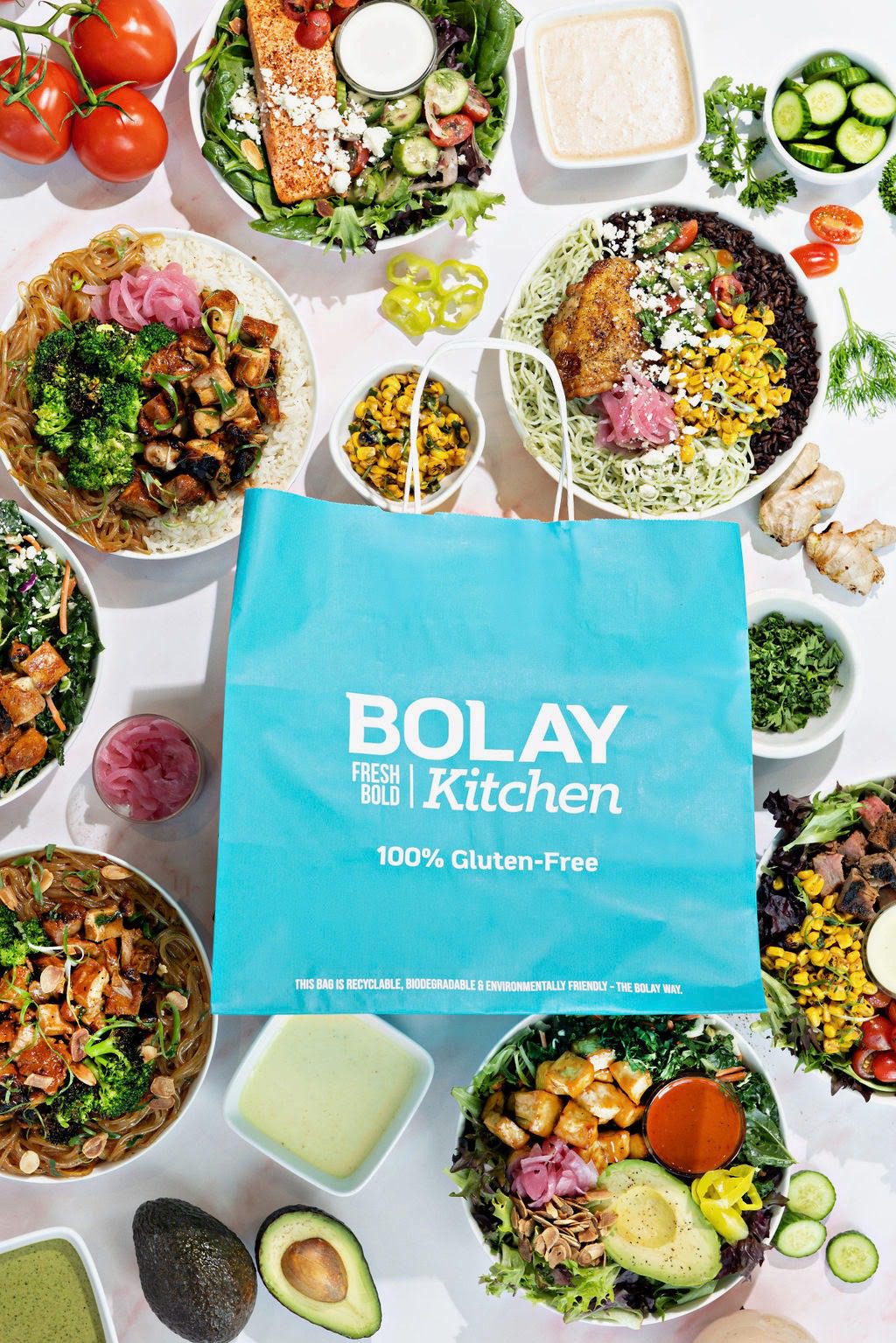
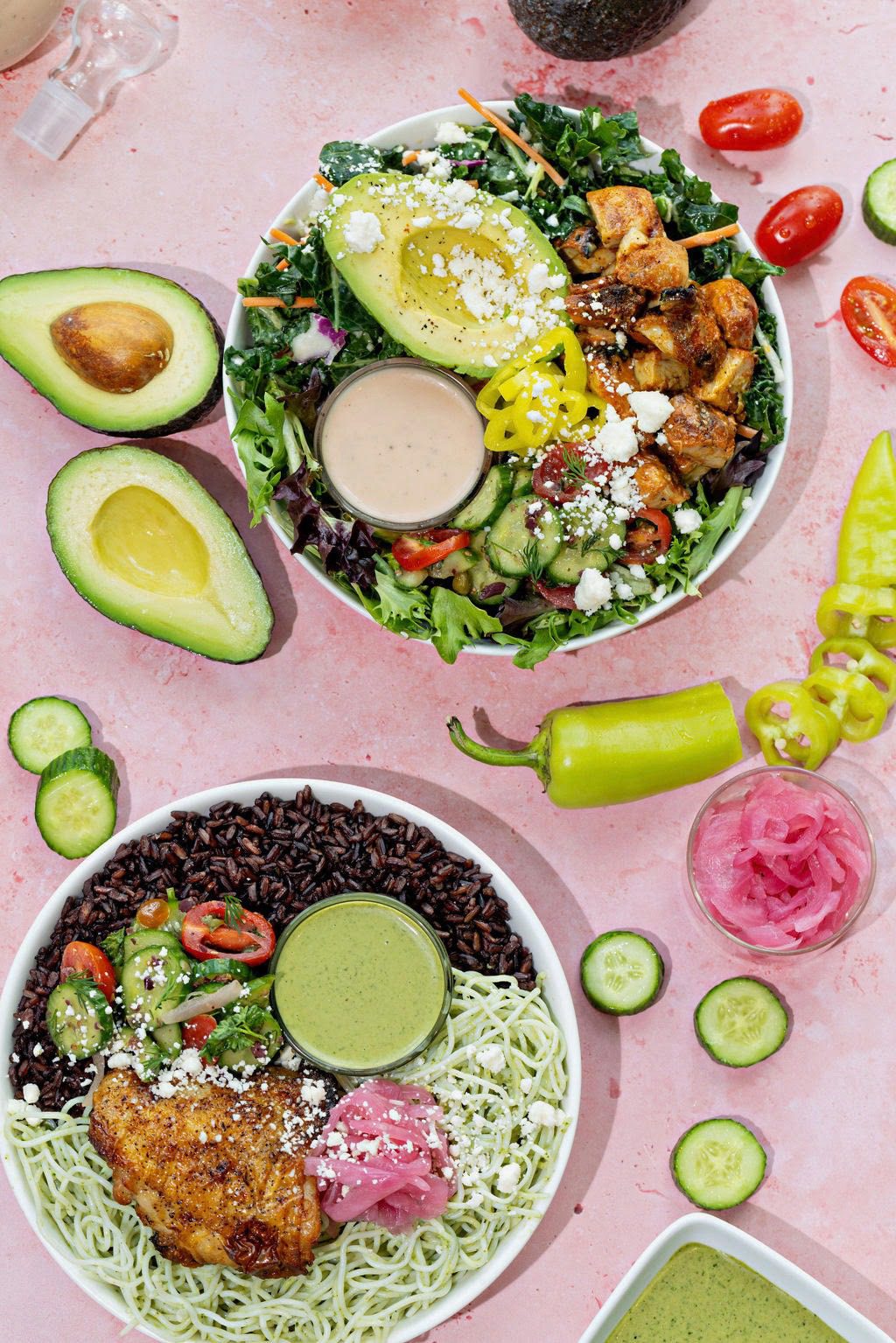
Chris Gannon: After working in fast food with PDQ, my father and I quickly realized that it wasn’t the right fit for us. We weren’t passionate about that type of food or the service model. We wanted something fresh, clean, and health-driven—something that would make people feel good after eating it. The idea for Bolay came to me on the back of a napkin in an airport. I knew I wanted to create a fast-casual concept that focused on high-quality, nutrientdense ingredients. I pitched it to my dad, and instead of bringing in other partners, he said, “Let’s do this, just you and me.” Bolay was built on the foundation of real food, real flavors, and real energy. It’s 100% Gluten-Free, with fresh vegetables, lean proteins, and bold, exciting flavors. And at the time, we didn’t even realize how ahead of the curve we were.
Q: How does Bolay address concerns about food quality, stabilizers, and additives?
Chris Gannon: One of the biggest problems in the modern food industry is how much junk is in our food, stabilizers, preservatives, artificial ingredients, things that people don’t even realize they’re consuming daily.
For example, glyphosate, a chemical widely used in agriculture, is all over the wheat supply in the U.S. Many people who think they have a gluten intolerance may actually be reacting to the chemicals sprayed on their food. That’s why being 100% Gluten-Free at Bolay was a no-brainer.
We don’t use artificial stabilizers or preservatives. If you look at a lot of fastcasual or even fine-dining restaurants, their sauces and marinades are loaded with stabilizers that extend shelf life but compromise health. At Bolay, we’re focused on clean eating: real, whole ingredients without unnecessary additives.
It’s a food revolution happening right now. People are finally questioning what they’re putting in their bodies. Health is wealth, and people are understanding that what they eat affects their longevity, performance, and mental clarity.
Q: What are some of the biggest challenges in building and running a modern restaurant brand?
Chris Gannon: Running a restaurant isn’t just about cooking great food—it’s about managing an extremely complex business model that operates under constant pressure. People don’t realize that restaurants are essentially manufacturing plants, but instead of dealing with non-perishable goods, we work with fresh, highly perishable ingredients that need to be sourced, stored, prepared, and served within incredibly tight timeframes. Every day, we have to maintain strict quality control, ensuring that every product meets our standards while managing the unpredictability of food supply chains.
Hiring and retaining talent is another major challenge. The restaurant industry is one of the most demanding workplaces—our workdays don’t end at 5 PM. While most people are winding down for the weekend, we’re gearing up for our busiest hours. The ability to build and maintain a strong, motivated team is crucial because the service and kitchen staff directly shape the guest experience. It’s an industry that requires passion and stamina, and finding people who are not only skilled but also committed to that level of energy is always a challenge.
On top of that, food costs are constantly in flux. Prices can swing overnight due to weather conditions, supply chain disruptions, inflation, and global agricultural shifts. One bad season can send the cost of a core ingredient soaring, and when you’re running a fast-casual restaurant that prioritizes fresh, high-quality ingredients, those fluctuations hit hard. We have to be flexible, innovative, and strategic—adjusting menus, optimizing portions, and working closely with suppliers to navigate those challenges while still delivering value to our guests. It’s a balancing act that never stops.
Q: How does technology fit into the restaurant business, and what challenges does it present?
Chris Gannon: Technology is one of the biggest double-edged swords in the restaurant world. Our customers expect
first-class technology; seamless ordering, fast checkouts, and a smooth digital experience. But the restaurant industry is always behind when it comes to tech innovation.
The best technology usually goes to industries with higher margins ; finance, healthcare, e-commerce. Restaurants, on the other hand, are dealing with low profit margins, so we don’t get the best software right away. We have to make do with C-level technology while trying to deliver an A-level customer experience.
Another challenge is integrating technology in a way that improves operations rather than complicating them. For example, third-party delivery apps have become a necessity, but they also cut into restaurant profits and disrupt service flow. Managing those platforms while maintaining highquality food delivery is a constant challenge.
Q: What’s the future of food technology, and how does Bolay adapt?
Chris Gannon: The future of food tech is going to be all about transparency and efficiency. Consumers today are more informed than ever, and they want to know exactly what’s in their food—where it comes from, how it’s sourced, and what impact it has on their health. Restaurants that can provide clear sourcing, nutritional information, and ingredient details will build trust and loyalty with their guests. Automation in the kitchen is another major shift we’re watching closely. AI and robotics have the potential to streamline kitchen processes, improving consistency and efficiency without losing the human touch that makes dining experiences special. Smart food sourcing is also becoming increasingly critical. With climate change, food shortages, and supply chain disruptions posing growing challenges, the brands that can develop sustainable and ethical sourcing methods will be the ones that thrive in the future. At Bolay, we’re keeping an eye on these trends while staying true to our core values. No shortcuts, no artificial junk—just real food that people can feel good about eating
Q: What’s next for Bolay?
Chris Gannon: The next chapter for Bolay isn’t just about opening more locations; it’s about expanding with purpose, with intention, and with an unshakable commitment to what made us successful in the first place. Right now, we’re focused on raising capital in a way that allows us to scale while maintaining the quality, culture, and energy that set us apart. Growth for the sake of growth is dangerous; it dilutes what makes a brand special. I’ve seen too many restaurants expand too quickly, only to lose their identity in the process. That won’t happen to Bolay.
We’ve spent years perfecting our systems, understanding what makes people come back, and ensuring that our foundation is strong. Now, it’s time to build on that. Every new Bolay location has to feel like a seamless extension of our mission; offering real, high-quality, nutrient-rich food in an environment that makes people feel good. We’re refining our supply chains, strengthening our leadership team, and investing in technology that will allow us to operate more efficiently while maintaining that personal, handcrafted touch.
But beyond the mechanics of running a business, my goal is to continue leading the charge in redefining what “healthy eating” means. The world is waking up to the truth about food and how it fuels us, how it heals us, and how what we put in our bodies determines everything from our energy levels to our long-term health. Bolay isn’t just a restaurant, it’s part of a movement. The days of artificial stabilizers, preservatives, and mass-produced meals packed with hidden chemicals are numbered. People want real food, and we’re going to keep giving it to them.
And when people walk into a Bolay five, ten, twenty years from now, I want them to feel the same thing they felt when they visited our very first location; a place that cares. A place that energizes. A place that’s built on integrity, flavor, and passion.
Q: Tim, what does it mean to see Chris build his own restaurant empire?
Tim Gannon: Watching Chris step into his own as a leader, an innovator, and a creator has been one of the greatest joys of my life. There’s something powerful about seeing the next generation take what you’ve built, honor it, but also push it further—make it their own. Chris didn’t just follow in my footsteps—he carved his own path, one that reflects who he is, what he believes in, and the future he sees for this industry.
I’ve always told him that building a great business isn’t just about making money—it’s about making an impact. And that’s exactly what he’s doing. He understands something fundamental that many business owners overlook: people don’t just want to eat; they want to feel good about what they’re eating. They want to trust what’s on their plate. They want to know that their food isn’t just convenient, but actually good for them. Chris has taken that knowledge and turned it into something extraordinary.
When I started Outback Steakhouse, I was driven by the idea that food should be
memorable—that one dish, like the Bloomin’ Onion, could create an experience that sticks with people for years. Chris has that same philosophy, but he’s applying it in a way that speaks to today’s world—a world that’s demanding cleaner food, healthier options, and a dining experience that fuels the body as much as it satisfies the taste buds.
And what makes me most proud? He’s doing it with heart. He’s not cutting corners. He’s not sacrificing quality for speed or profit. He’s building something that will last, because it’s built on passion, integrity, and an unwavering belief in doing things the right way. That’s the kind of legacy that matters.
I’ve rung the bell at the New York Stock Exchange three times. I’ve built one of the most recognizable brands in casual dining. But nothing compares to the pride of seeing my son create something truly meaningful.
Chris isn’t just running a business—he’s shaping the future of food. And I have no doubt that what he’s building today will be changing lives for decades to come.
Q: Tim, when you look back on your journey—building Outback Steakhouse, navigating the challenges, and ultimately creating something iconic—what are the biggest lessons you’ve learned, and what advice would you give to the next generation of entrepreneurs looking to follow in your footsteps?
Tim Gannon: If there’s one thing I’ve learned in my journey, it’s that success is never a solo act. No one builds something great alone. The people you choose to surround yourself with, your partners, your team, the ones who believe in you even when you’re at your lowest, those are the people who shape your destiny. I was 40 years old, flat broke, and had just sold my saddle for gas money when I joined Outback Steakhouse. But I had something far more valuable than money. I had partners who believed in me, who saw my talent, and who gave me an opportunity when I had nothing to offer but my skills and my passion. That belief became the foundation of an empire.
Business is about relationships. It’s about trust. And it’s about the unshakable confidence that no matter how many times you get knocked down, you have the right people to help you get back up. If you choose the right partners, you can weather any storm. If you choose the wrong ones, even the best ideas will crumble. That’s the first lesson I tell every entrepreneur: choose your partners wisely.
The second lesson? Never lose sight of the customer. Too many businesses fail because they become obsessed with their product, their brand, their growth, everything except the one thing that actually determines success: whether or not people want to come back. At Outback, we never asked, “How much money are we making?” We asked, “Are we giving people a reason to return?” If you focus on that, if you commit to delivering quality and value every single day, success will take care of itself.
And finally, be relentless. There will be moments when it feels impossible, when the challenges seem too great, when it would be easier to quit. Don’t. The difference between those who make it and those who don’t isn’t intelligence, luck, or talent. It’s grit. It’s waking up every morning, putting one foot in front of the other, and refusing to give up. It’s knowing that the wall in front of you isn’t an ending, it’s just an obstacle. Find a way around it, over it, through it. Because on the other side of that wall, that’s where greatness is waiting.
Q: Chris, when you look at the journey you’ve taken with Bolay, the challenges you’ve faced, and the lessons you’ve learned, what advice would you give to the next generation of entrepreneurs, especially those who want to build something lasting?
Chris Gannon:The first thing I’d tell any entrepreneur is that hard work beats
everything. Talent, ideas, funding, none of it matters if you’re not willing to outwork everyone else in the room. Show up earlier, stay later, and be the one who keeps pushing when everyone else is ready to quit. That’s not just a cliché; it’s the reality of building something that lasts. I’ve seen incredibly smart, talented people fail because they didn’t have the drive to keep going when things got tough. And I’ve seen people succeed purely because they refused to give up.
But hard work alone isn’t enough. You also have to be strategic. The biggest mistake I see young entrepreneurs make is falling in love with an idea without making sure there’s a real market for it. It’s not just about what you’re passionate about, it’s about what people actually want. Before we started Bolay, we studied the market, looked at what was missing, and asked ourselves how we could create something that truly met a need. Entrepreneurs who take the time to do that, who research, who listen, who test their ideas before going all in, are the ones who build businesses that last.
And finally, I’d say this. Build something that can scale. Too many people create businesses that are limited from the start.
They put themselves in a box where growth isn’t possible. The beauty of the restaurant industry, when you do it right, is that it’s scalable. If you get the formula right, if you nail your concept, your customer experience, and your operations, you can replicate it, and that’s where real success happens.
At the end of the day, my advice is simple. Work harder than anyone else. Be smart about what you build. And if you have the privilege of carrying a strong name, don’t just protect it, make it even greater. Legacy isn’t something you inherit. It’s something you prove, every single day.