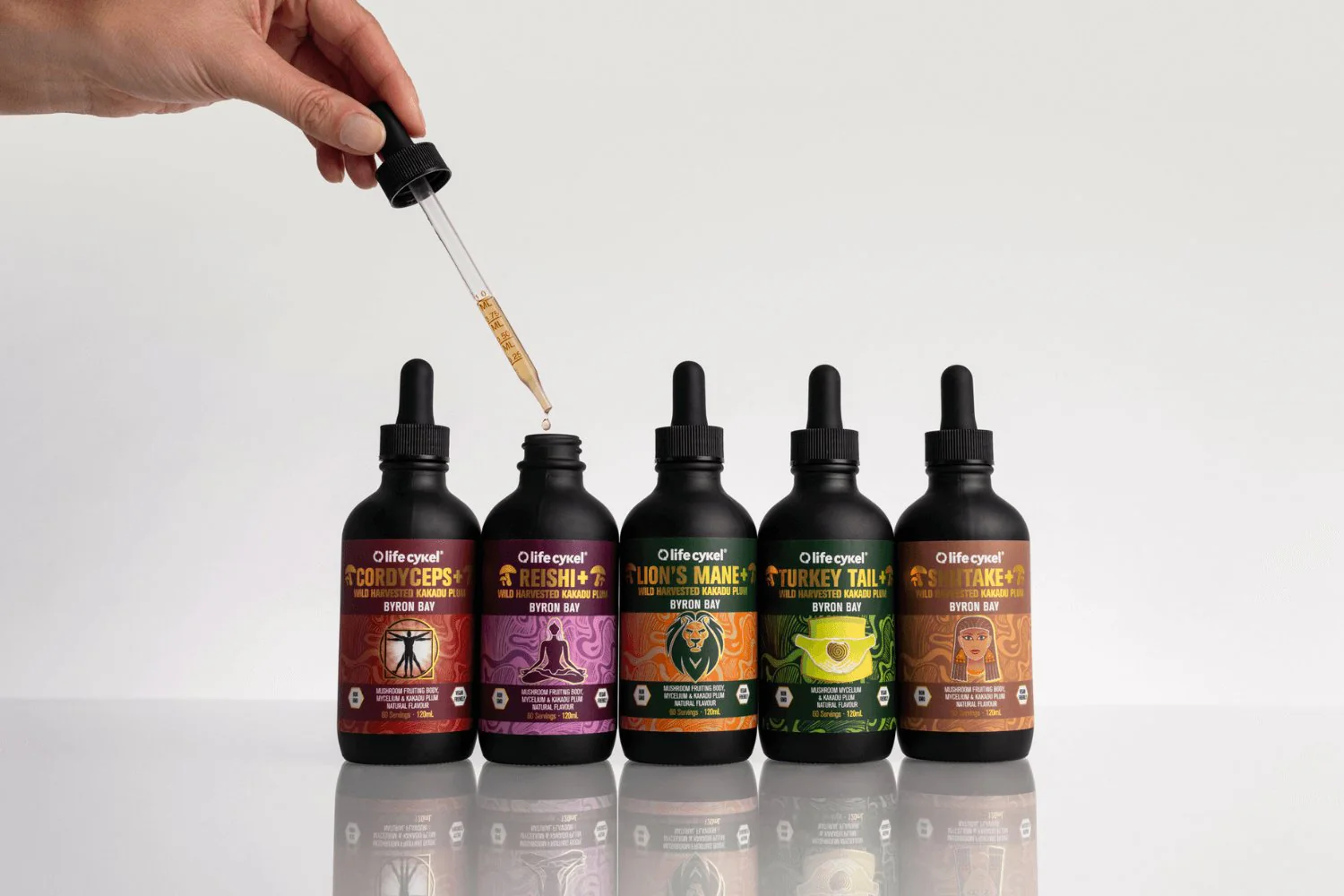
In recent years, functional mushrooms have made a serious comeback in the wellness and health industry. Once relegated to the fringes of traditional medicine, these fungi are now popping up in coffee blends, dietary supplements, skincare products, and even chocolate bars.
The buzz surrounding functional mushroom extracts is not just hype, these potent fungi pack a powerful punch of health benefits supported by both ancient wisdom and modern science.
What Are Functional Mushroom Extracts?
Functional mushrooms are a group of non-psychedelic mushrooms known for their adaptogenic, antioxidant, and immune-boosting properties. Common varieties include Reishi, Lion’s Mane, Cordyceps, Chaga, Turkey Tail, and Shiitake. While eating these mushrooms in their whole form can be beneficial, extracts are a more concentrated and bioavailable way to harness their full potential.
Extracts are typically made by drying the mushrooms and using water, alcohol, or dual-extraction methods to pull out the bioactive compounds. These compounds, such as beta-glucans, triterpenes, and polysaccharides, are what give functional mushrooms their health-promoting properties.
Key Types of Functional Mushrooms and Their Benefits
Reishi (Ganoderma lucidum)
Known as the “mushroom of immortality,” Reishi has been used for centuries in Traditional Chinese Medicine. It’s best known for its calming effects and is often used to support sleep, reduce stress, and strengthen the immune system.
Lion’s Mane (Hericium erinaceus)
This shaggy white mushroom is prized for its cognitive benefits. Studies suggest Lion’s Mane can stimulate the production of Nerve Growth Factor (NGF), potentially supporting memory, focus, and overall brain health.
Cordyceps (Cordyceps militaris or sinensis)
Cordyceps are known for boosting energy and stamina by increasing ATP production. They’re a favorite among athletes and those seeking a natural way to improve endurance and vitality.
Chaga (Inonotus obliquus)
Often referred to as the “king of mushrooms,” Chaga grows on birch trees and is packed with antioxidants. It’s valued for its immune-supportive properties and its potential to fight oxidative stress.
Turkey Tail (Trametes versicolor)
Rich in polysaccharide-K (PSK) and polysaccharide-peptide (PSP), Turkey Tail has been extensively studied for its immune-boosting properties, particularly in conjunction with cancer treatments.
How to Use Mushroom Extracts
Functional mushroom extracts come in various forms: capsules, tinctures, powders, teas, and drink blends. Here are a few tips for integrating them into your routine:
- Capsules: Easy and convenient for daily supplementation.
- Powders: Great for mixing into smoothies, coffee, or oatmeal.
- Tinctures: Alcohol-based extracts taken directly under the tongue or mixed with water.
- Teas: A traditional and soothing way to enjoy their benefits.
It’s important to choose extracts from reputable brands that use organic mushrooms and list the extraction methods. Look for products that provide the percentage of beta-glucans and other active compounds.
Are There Any Side Effects?
Generally, functional mushroom extracts are considered safe for most people. However, reactions can vary depending on individual allergies, sensitivities, or pre-existing conditions. It’s always best to consult with a healthcare provider before starting any new supplement, especially if you’re pregnant, breastfeeding, or taking medications.
The Bottom Line
Functional mushroom extracts are more than a wellness trend—they’re rooted in thousands of years of traditional medicine and backed by a growing body of scientific research. Whether you’re looking to boost mental clarity, enhance energy, reduce stress, or strengthen your immune system, there’s likely a mushroom extract that fits your needs.
As with any natural remedy, consistency is key. These aren’t magic bullets, but when used regularly and mindfully, functional mushrooms can be a powerful ally in your journey toward better health and balance.