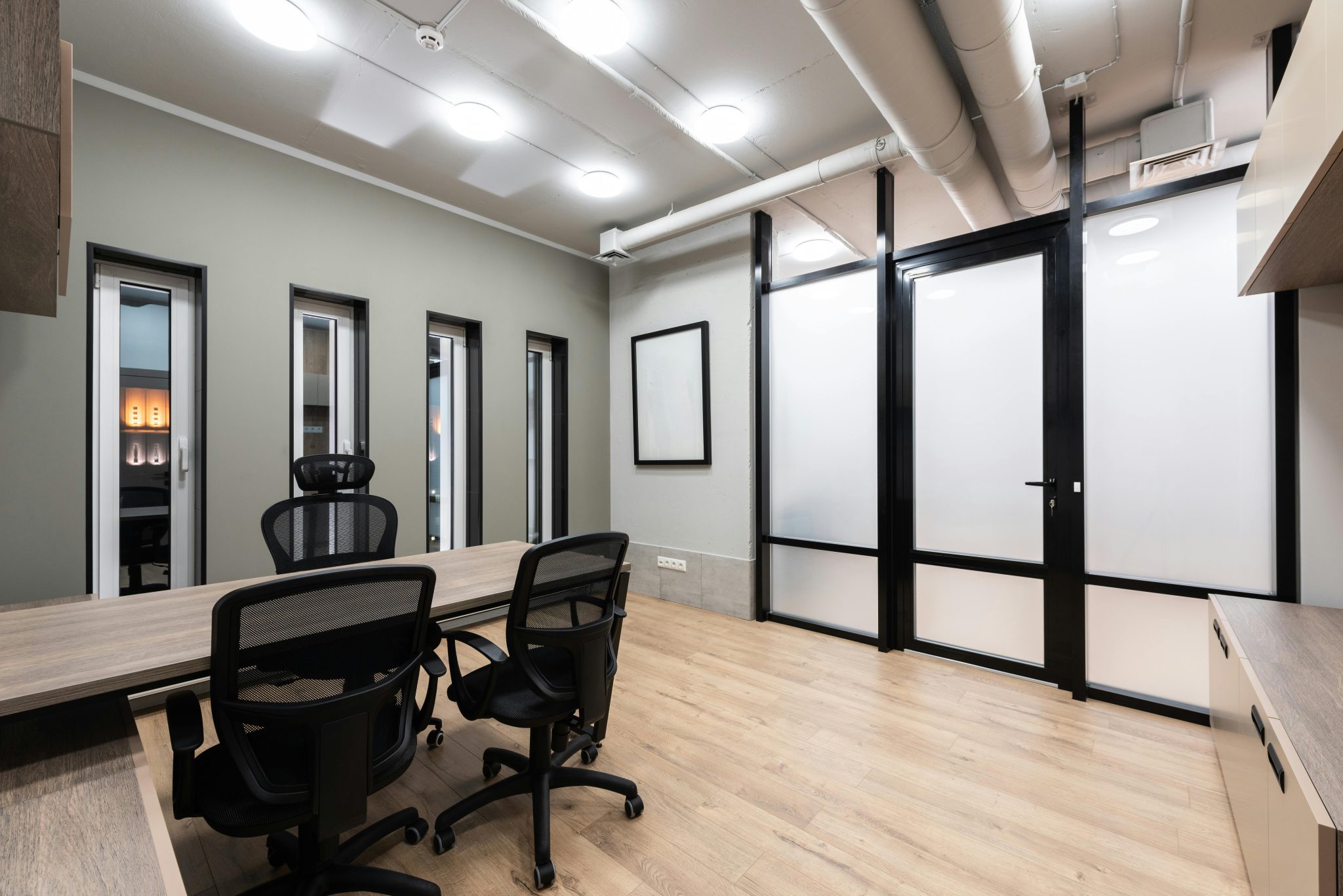
Have you been thinking about expanding your business, but you’re unsure how to make the leap into a new space? Maybe you’ve outgrown your current location, or you’re looking for a more visible spot that can support growth. Whatever the reason, moving into a new space is a big step. It brings new opportunities, but it also involves planning, budgeting, and many decisions that can affect your long-term success. Getting it right from the start makes a big difference.
In this blog, we will share smart strategies to help you scale your business into a new space effectively.
Assess Whether It’s the Right Time to Move
Before jumping into a new space, evaluate your business’s current position. Ask yourself if you truly need more room or if other solutions—like optimizing your existing setup—might work. Look at sales numbers, client growth, and internal operations. If your team struggles to focus because of tight quarters, or if customers mention crowding or parking issues, those may be signs that it’s time to move.
It’s also important to think ahead. Are you planning to hire more staff or expand your services? Will you be needing equipment that your current space can’t support? Projecting your future needs helps you avoid growing out of your new space too soon. Timing is everything, and you want to move when it makes financial and operational sense.
Create a Clear Moving Plan
Once you’ve decided to move, create a detailed plan to guide the process. Start by setting a realistic timeline and choosing a team to manage the project. Include tasks such as finding a new location, updating addresses, communicating with clients, and managing the physical move. Having everything listed prevents you from missing important steps along the way.
Hiring a trusted local moving company can make the move less stressful. They often understand regional traffic patterns, building codes, and can offer tailored advice to help you avoid delays. A professional team can save time and protect valuable equipment. Make sure the moving company has experience working with businesses like yours so they know what to expect. Having the right help can make a big difference in keeping your business running smoothly through the transition.
Consulting experts to figure out what kind of specific needs your business is going to have during a move can prevent costly disruptions and overlooked details. Tech companies are always looking to hire IT relocation services with vast experience in handling sensitive infrastructure, data security requirements, and complex equipment transfers without interrupting operations. Careful coordination ensures servers, networks, and workstations are set up correctly in the new location. This level of preparation supports continuity and helps teams return to full productivity faster.
Choose a Space That Matches Your Growth
When selecting a new space, think beyond the present. You want a place that fits your current needs but also leaves room for growth. Consider how your team works. Do they need private offices or a collaborative open floor plan? Think about where your customers are and whether this new spot makes it easier or harder for them to reach you.
Also, look at what comes with the space. Is there parking, Wi-Fi, or room for storage? What are the lease terms? Hidden fees, poor infrastructure, or a lack of flexibility can hurt your growth later. Talk to other tenants in the building to learn what it’s like. Visit the space at different times of day to see what the environment is really like. Make sure your new space supports your future goals, not just your current ones.
Update Your Budget With the New Costs
Moving into a new space comes with added costs. Besides rent or mortgage payments, you may have to pay for renovations, new furniture, deposits or utilities. These can quickly add up if you don’t plan for them in advance. Sit down and build a detailed budget that includes every known cost, even the small ones.
You’ll also want to think about ongoing expenses. Will your insurance increase? Are utility costs higher in the new area? Will you need a larger cleaning crew? Compare your new costs to your current budget and see if your projected income can support the change. It’s important to keep your business financially healthy while you grow, and that starts with a well-thought-out budget.
Keep Communication Open With Your Team
Scaling your business into a new space affects your whole team, so keeping them informed is key. From the earliest planning stages, involve your staff. Let them know what’s happening and why. When people understand the reasons behind the move, they’re more likely to support it and help make it a success.
Hold regular meetings to answer questions, share updates, and gather feedback. Employees often have helpful ideas about how to design the new workspace or make the move smoother. They might spot things you haven’t thought of. If the move will cause any disruption to their routine, give them time to adjust. When you make them part of the process, they feel valued and ready to contribute.
Update Your Business Listings and Inform Clients
Once you confirm your new address, start updating your business listings. This includes Google, Yelp, social media pages, your website, and any directories you’re listed on. Having outdated information can confuse clients or lead to missed opportunities. Make these updates before you move so your new location is searchable right away.
It’s just as important to communicate with your customers directly. Send out emails or text updates, and post about the move on your social media pages. Let people know how the new space will benefit them, like more parking or easier access. Provide details such as the moving date and whether there will be any service disruptions. Staying clear and consistent in your messaging builds trust and keeps your client base strong.
Use the Move to Improve Your Operations
Moving into a new space is a great time to make positive changes. Take a close look at what wasn’t working in your old space. Were your workflows inefficient? Was the storage too tight? Use this opportunity to design a setup that supports better productivity. Think about the flow of people and products. Arrange desks, shelves, and stations to match how work actually happens.
You can also upgrade systems during the move. Maybe it’s time for new software, faster internet, or better security tools. You’re already making a change, so adding improvements now can save time later. Just make sure any changes help your team work better, not harder. The goal is to come out of the move stronger and more organized than before.
In conclusion, scaling into a new space can feel overwhelming, but it’s also an exciting time for your business. It gives you the chance to grow, refresh your systems, and strengthen your team. By planning carefully, involving your employees, and staying on top of every detail, you can make the move work in your favor. Don’t rush the process. A thoughtful transition creates lasting benefits. Let this be more than a change of address—let it be a step forward in your business journey.