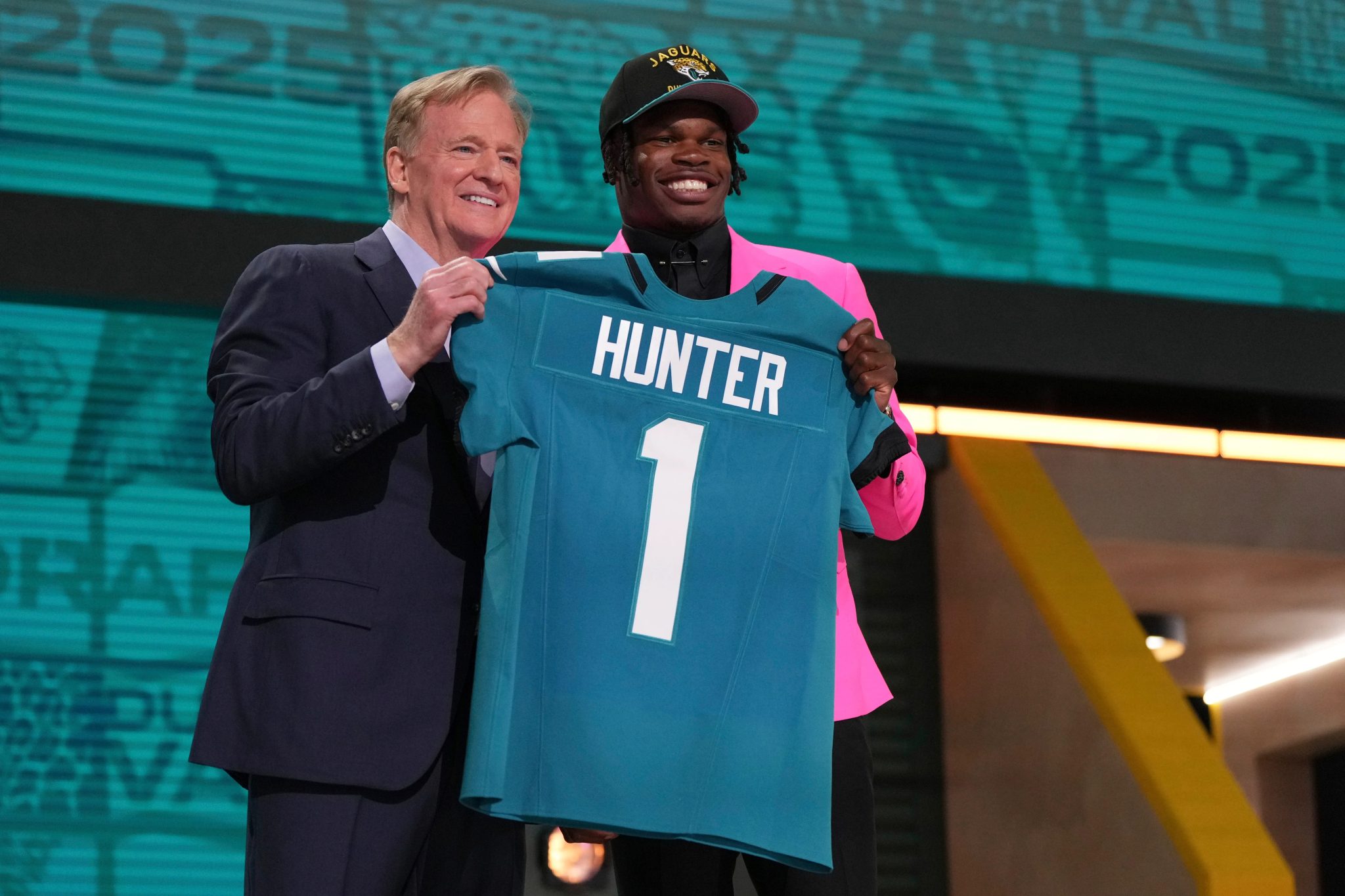
In college sports, talent is often siloed — wide receivers catch, cornerbacks defend, and marketers package performance for the cameras. Travis Hunter is breaking that mold. As a rare two-way starter at the University of Colorado under the high-profile mentorship of Deion Sanders, Hunter is not only playing both sides of the ball — he’s multiplying his market value in real time.
Hunter’s rise comes at a pivotal moment in the business of college athletics, where attention, agility, and autonomy are the most valuable currencies. And by all metrics — athletic, financial, and digital — he is delivering on all three.
Talent-Stacking: The New Competitive Advantage
Hunter’s ability to play at an elite level on both offense and defense has transformed him into one of the most sought-after figures in the NIL economy. But his strategic advantage goes beyond physical stamina — it’s about narrative power. In a content-hungry media environment, Hunter offers producers, sponsors, and investors a rare dual-asset model: one athlete, two marketable personas.
On YouTube, he vlogs weekly. On Instagram, he’s built a devoted following. And on the field, his highlights go viral — sometimes on back-to-back plays. This cross-functional visibility allows Hunter to command greater NIL deal premiums while maintaining relevance between game days, turning him into a dynamic, multi-platform performer.
Coach Prime’s Influence and the Luxury of Mentorship
A significant factor in Hunter’s brand maturity is his partnership with Deion Sanders — Coach Prime — a Hall of Famer with a unique understanding of both athletic and media economies. Under Sanders, Hunter is not just being coached — he’s being groomed for the spotlight.
The alignment of their narratives — both being two-way stars with strong personal brands — gives Hunter a legacy advantage. It also signals to the market that he’s being mentored not just athletically, but strategically.
Positioning for Post-College Equity
Hunter’s NIL earnings are already in the six- to seven-figure range, but the long-term play is clear: position himself for post-college equity, whether that means endorsement deals with ownership stakes, media production partnerships, or vertical lifestyle branding.
Given his trajectory, Hunter is less likely to simply be a professional athlete. He is more likely to become a sports-media entrepreneur with IP of his own. He represents a new kind of high-growth asset — one that combines performance, personality, and ownership potential.