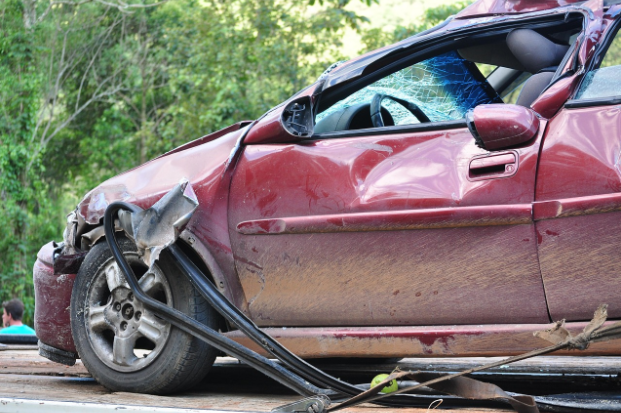
The aftermath of a car accident isn’t just about exchanging insurance cards—it’s about protecting your physical, mental, and financial well-being for months or even years ahead. According to the National Safety Council, over 4.8 million Americans required medical attention for motor vehicle injuries in 2024, with recovery costs averaging $57,000 per serious injury case. Yet most drivers have no idea what steps actually matter in those critical first hours and days following a collision.
What makes this particularly urgent is how quickly the window closes for protecting your rights and health. Insurance companies begin building their case within hours, medical evidence becomes harder to document as time passes, and psychological trauma can compound without early intervention. The actions you take—or don’t take—in the immediate aftermath don’t just affect your insurance claim; they fundamentally shape your entire recovery trajectory.
Here’s what crash survivors, medical professionals, and legal experts have learned about turning those first overwhelming moments into a foundation for effective healing. The difference between a smooth recovery and months of complications often comes down to understanding what truly matters when your world has just been turned upside down.
What Is Car Accident Recovery and Its Immediate Importance?
Car accident recovery encompasses far more than healing visible injuries—it’s a complex process involving physical rehabilitation, psychological adjustment, legal navigation, and financial recovery that can stretch from weeks to years. The immediate aftermath sets the trajectory for everything that follows, making those first hours and days critically important for long-term outcomes.
The recovery process typically unfolds in overlapping phases. Physical recovery involves treating injuries that range from obvious fractures and lacerations to hidden soft tissue damage, concussions, and internal injuries that may not manifest symptoms immediately. Psychological recovery addresses trauma responses, anxiety, depression, and the emotional impact of sudden life disruption. Legal and financial recovery focuses on protecting your rights, documenting the incident, and securing compensation for damages and ongoing care needs.
What makes immediate action so crucial is the narrow window for preserving evidence and protecting your interests. Insurance companies dispatch adjusters within hours to assess damage and begin determining fault. Medical conditions like whiplash, concussion, and internal bleeding can worsen without prompt evaluation, even when you initially feel “fine.” Meanwhile, witness memories fade, physical evidence disappears, and your legal position weakens with each passing day.
Research from the Insurance Research Council shows that accident victims who seek medical attention within 24 hours and legal consultation within 72 hours recover 40% more in settlements and experience fewer long-term complications. The key insight: recovery isn’t just about healing what’s broken—it’s about immediately creating the conditions for comprehensive healing across all dimensions of impact.
How Does Car Accident Recovery Work Physically and Mentally?
The human body’s response to collision trauma involves complex physiological and psychological mechanisms that don’t follow predictable timelines. Understanding how these systems work helps explain why immediate action matters and what recovery actually entails.
Common Physical Injuries and First Aid Steps
Vehicle collisions create forces that affect the body in ways that aren’t immediately apparent. Whiplash occurs when rapid acceleration and deceleration cause neck vertebrae to move beyond their normal range, damaging muscles, ligaments, and sometimes nerves. This can manifest as pain, stiffness, headaches, or dizziness hours or even days later. Concussions result from the brain striking the interior skull wall, potentially causing cognitive disruption, memory problems, and mood changes that may not appear until days after impact.
Internal injuries present particular challenges because they can be life-threatening while producing minimal initial symptoms. Abdominal trauma can damage organs without external bruising, while chest injuries can affect breathing and circulation in ways that worsen over time. Fractures, especially stress fractures in ribs or small bones, may not cause severe pain initially but require prompt medical evaluation to prevent complications.
The first aid response should prioritize safety and documentation over self-diagnosis. If you can move safely, get to a secure location and call emergency services if anyone appears injured or if significant vehicle damage occurred. Check yourself and passengers for obvious injuries, but avoid moving anyone who reports neck or back pain. Take photos of vehicle positions, damage, and any visible injuries while your adrenaline is still managing pain responses that will intensify later.
What many people don’t realize is that adrenaline and shock can mask serious injuries for hours. Emergency room physicians report that up to 60% of collision-related injuries aren’t apparent during initial assessment, making prompt professional evaluation essential even when you feel “okay.”
Psychological Impact and Early Coping Mechanisms
The psychological response to car accidents involves both immediate trauma reactions and longer-term adjustment challenges that can significantly impact recovery. Acute stress response includes heightened alertness, racing thoughts, emotional numbness, or overwhelming fear—all normal reactions to sudden life-threatening events. However, these responses can interfere with clear thinking precisely when you need to make important decisions about medical care and legal protection.
Post-traumatic stress following vehicle accidents affects approximately 25% of crash survivors, according to research published in the Journal of Traumatic Stress. Symptoms include intrusive memories of the collision, anxiety about driving or being a passenger, sleep disruption, and hypervigilance around traffic situations. These responses aren’t signs of weakness; they’re normal neurological reactions to threat experiences.
Early coping mechanisms should focus on managing immediate shock while preserving your ability to make necessary decisions. Grounding techniques like focusing on physical sensations (feet on ground, hands on steering wheel) can help manage panic responses. Controlled breathing—slow inhales through the nose, longer exhales through the mouth—activates the parasympathetic nervous system to reduce stress hormone flooding.
Social support activation matters immediately. Contact someone you trust who can help you think clearly, accompany you to medical appointments, or assist with practical tasks like arranging vehicle towing. Research shows that accident victims with early social support experience faster psychological recovery and fewer long-term trauma symptoms.
The key insight about psychological first aid: your goal isn’t to “get over it” quickly, but to manage stress responses well enough to take care of immediate needs while preserving your capacity for longer-term healing.
What Legal Rights and Insurance Steps Should You Take After a Car Accident?
The legal and insurance landscape following a car accident involves complex processes that begin immediately and can significantly impact your financial recovery. Understanding your rights and the insurance system helps you navigate these processes effectively while protecting your interests.
Understanding Your Legal Rights Post-Accident
Your fundamental legal rights following a car accident include the right to seek medical treatment, document the incident, obtain police reports, and pursue compensation for damages and injuries. However, these rights come with responsibilities that must be exercised promptly to remain enforceable.
Documentation responsibilities include gathering contact information from all drivers, passengers, and witnesses; photographing vehicle damage, accident scene conditions, and any visible injuries; and requesting a police report even for seemingly minor incidents. Many states have specific reporting requirements—for example, accidents involving injury or property damage exceeding $1,000 typically require police reporting within 24 hours.
The duty to mitigate damages means you’re legally required to take reasonable steps to prevent your injuries or losses from worsening. This includes seeking appropriate medical treatment, following medical recommendations, and avoiding activities that could aggravate injuries. Failing to mitigate damages can reduce compensation even when the accident wasn’t your fault.
Statute of limitations laws vary by state but typically allow 1-3 years to file personal injury claims from the accident date. However, waiting reduces your leverage and makes evidence collection more difficult. Insurance companies often interpret delayed action as evidence that injuries weren’t serious or that you bear some responsibility for the incident.
Communication rights include the right to remain factual when speaking with insurance representatives while avoiding detailed statements about fault or injury severity until you’ve consulted with medical and legal professionals. You’re not required to provide recorded statements immediately, and you have the right to have representation present during insurance interviews.
Navigating the Car Accident Insurance Claims Process
Insurance claim processes involve multiple parties with different priorities, making navigation complex even for straightforward accidents. Your insurance company handles property damage and may cover medical expenses depending on your coverage. The other driver’s insurance handles liability claims if they’re found at fault. Third-party services like medical providers and repair shops may bill insurance directly or require upfront payment with reimbursement.
The claims process typically begins with first notice of loss reporting to all relevant insurance companies within 24-48 hours. Provide basic factual information about the incident location, time, parties involved, and general nature of damages, but avoid detailed fault determinations or injury assessments that may be premature.
Claims adjusters are assigned to investigate the incident and determine coverage and compensation amounts. While adjusters can be helpful, remember that insurance companies are businesses focused on minimizing payouts. Document all communications, ask for adjuster contact information and claim numbers, and request written confirmation of any agreements or benefit explanations.
Medical payment coverage and personal injury protection (PIP) can provide immediate access to medical care regardless of fault determination. Understanding your coverage limits and requirements—such as approved provider networks or pre-authorization requirements—helps you access care without unexpected out-of-pocket costs.
Common challenges include claim denials based on coverage disputes, delayed settlements while liability is investigated, and lowball offers that don’t account for long-term medical needs or lost income. Insurance companies often settle quickly for amounts that seem reasonable initially but prove inadequate as the full extent of injuries and impact becomes apparent over time. In situations where negotiations become complicated or compensation seems unfair, consulting an experienced car accident lawyer in Overland Park can help ensure that your rights are protected and that all medical expenses, lost income, and future recovery needs are properly considered before accepting any settlement.
The key insight about insurance processes: they’re designed to minimize company costs, not maximize your recovery. Early consultation with legal and medical professionals helps ensure that your interests are protected throughout these complex negotiations.
Which Recovery Practices Support Healing Over Time?
Long-term recovery from car accidents requires coordinated approaches addressing both physical rehabilitation and psychological wellness. Effective recovery practices evolve as healing progresses, requiring ongoing assessment and adjustment of treatment strategies.
Physical Therapy and Rehabilitation Exercises
Physical therapy typically begins 2-4 weeks post-accident, once acute injuries stabilize and medical clearance is obtained. The therapy process focuses on restoring range of motion, rebuilding strength, and retraining movement patterns that may have been disrupted by injury or pain responses.
Early-stage therapy emphasizes pain management and gentle mobility restoration. Techniques include soft tissue massage, heat and cold therapy, and controlled movement exercises designed to prevent stiffness without aggravating healing tissues. Whiplash recovery, for example, often involves gradual neck rotation and strengthening exercises combined with posture training to prevent compensatory movement patterns that can cause secondary problems.
Progressive resistance training becomes important as healing advances. Controlled strengthening exercises help rebuild muscle capacity that’s often lost during periods of reduced activity following injury. Core stabilization exercises are particularly important because back and abdominal muscles provide crucial support for spine health and overall movement quality.
Specialized techniques like manual therapy (hands-on joint and soft tissue manipulation) and neuromuscular re-education (retraining proper movement patterns) address complex issues that simple exercise can’t resolve. These approaches are especially valuable for addressing persistent pain or functional limitations that don’t respond to standard treatment approaches.
Home exercise programs extend therapy benefits between appointments and help maintain progress long-term. Successful programs balance challenging exercises with realistic time commitments, typically requiring 15-30 minutes daily of focused movement and strengthening activities.
Research from the American Physical Therapy Association shows that car accident patients who complete structured therapy programs regain 85% of pre-accident function within 6 months, compared to 60% for those relying primarily on rest and pain medication.
Mental Health Support and Social Coping Strategies
Psychological recovery from car accidents involves processing trauma while rebuilding confidence in daily activities, especially those involving transportation. Professional mental health support helps distinguish between normal adjustment responses and more serious conditions requiring specialized treatment.
Cognitive-behavioral therapy (CBT) proves particularly effective for accident-related anxiety and trauma. CBT techniques help identify and modify thought patterns that maintain fear and avoidance behaviors. For example, “catastrophic thinking” about driving safety can be addressed through reality testing and gradual exposure exercises that rebuild confidence systematically.
EMDR (Eye Movement Desensitization and Reprocessing) offers another evidence-based approach for trauma processing. This therapy helps reduce the emotional intensity of accident memories while maintaining factual recall, allowing survivors to remember the incident without experiencing overwhelming stress responses.
Support groups provide connection with others facing similar challenges. Sharing experiences with other accident survivors helps normalize recovery struggles while providing practical strategies for managing ongoing difficulties. Many communities offer both in-person and online support group options.
Social coping strategies involve actively engaging family and friends in recovery support. This might include asking someone to accompany you during initial return-to-driving experiences, establishing check-in routines during difficult periods, or developing communication strategies for explaining ongoing limitations to employers or family members.
Gradual exposure to anxiety-provoking situations helps rebuild confidence systematically. Starting with short trips in familiar areas during low-traffic times, then gradually expanding distance and complexity, allows nervous system adaptation without overwhelming stress responses.
The integration of physical and psychological support proves crucial for comprehensive recovery. Pain and mobility limitations can worsen psychological symptoms, while untreated anxiety and depression can interfere with physical therapy compliance and overall healing.
How Can Lifestyle Changes Influence Your Car Accident Recovery?
Recovery from car accidents often requires temporary or permanent lifestyle modifications that support healing while managing practical challenges. These changes span nutrition, sleep, stress management, and activity planning—all of which significantly impact both physical healing and psychological adjustment.
Nutrition for healing becomes particularly important during recovery periods when the body requires extra resources for tissue repair and immune system support. Anti-inflammatory foods like fatty fish, leafy greens, berries, and nuts help manage inflammation that can worsen pain and delay healing. Adequate protein intake—approximately 1.2-1.6 grams per kilogram of body weight—provides amino acids necessary for tissue repair. Staying hydrated supports circulation and helps prevent medication side effects like constipation that commonly occur with pain management drugs.
Sleep quality often deteriorates following accidents due to pain, anxiety, and disrupted routines. Poor sleep interferes with healing hormones, immune function, and pain tolerance, creating cycles that can significantly prolong recovery. Sleep hygiene strategies include maintaining consistent bedtimes, creating comfortable sleeping environments that accommodate physical limitations, and avoiding screens and caffeine in evening hours. Some people need temporary sleeping arrangements—like recliners for back injuries or additional pillows for neck support—to manage pain-related sleep disruption.
Stress management requires proactive approaches because chronic stress hormones interfere with healing and can worsen both physical and psychological symptoms. Regular relaxation practices like meditation, gentle yoga, or deep breathing exercises help activate the parasympathetic nervous system that supports healing. Time management becomes crucial when balancing medical appointments, therapy sessions, insurance communications, and work or family responsibilities.
Activity modification involves finding the balance between rest and movement that promotes healing without aggravating injuries. This often means accepting temporary limitations while gradually increasing activity as healing progresses. Many people need to modify work arrangements, household responsibilities, or recreational activities during recovery periods.
Return-to-work planning should consider both physical capabilities and cognitive function, especially following head injuries. Gradual return schedules, modified duties, or temporary accommodations may be necessary. Communication with employers about medical restrictions helps prevent re-injury while maintaining job security.
Financial planning becomes important because recovery costs—including medical expenses, therapy, lost income, and transportation needs—can strain budgets. Understanding insurance coverage limits, exploring payment plan options for medical providers, and budgeting for extended recovery periods helps reduce financial stress that can interfere with healing.
The key insight about lifestyle changes: temporary modifications that support healing often become permanent improvements in overall health and stress management.
What Are Common Misconceptions About Car Accident Recovery?
Several persistent myths about car accident recovery can interfere with appropriate care and realistic expectations. Understanding these misconceptions helps survivors make better decisions about treatment and recovery planning.
“If you’re not bleeding, you’re not seriously injured” represents perhaps the most dangerous misconception about accident trauma. Soft tissue injuries, concussions, and internal injuries can be serious or even life-threatening while producing minimal immediate symptoms. Adrenaline and shock mask pain and other symptoms for hours or days, making initial “I’m fine” assessments unreliable. Emergency physicians recommend medical evaluation within 24 hours for any collision involving significant vehicle damage or impact forces, regardless of immediate symptoms.
“Recovery should be complete within a few weeks” sets unrealistic expectations that can lead to premature return to activities or disappointment with normal healing timelines. Whiplash recovery typically takes 6-12 weeks for mild cases but can extend to months or years for more severe injuries. Psychological recovery from trauma often follows an even more variable timeline. Setting realistic expectations based on injury type and severity helps maintain motivation during longer recovery periods.
“Pain medication is the main treatment for accident injuries” overlooks the importance of active rehabilitation approaches. While medication helps manage acute pain, long-term recovery depends more on physical therapy, psychological support, and lifestyle modifications. Over-reliance on pain medication can actually interfere with healing by reducing activity levels and creating dependency issues.
“Insurance will cover all necessary treatment” fails to account for coverage limitations, exclusions, and disputes that commonly arise. Understanding policy limits, deductibles, and approval requirements prevents treatment delays and unexpected costs. Many effective treatments like massage therapy, acupuncture, or specialized psychological therapy may require out-of-pocket payment or additional insurance coverage.
“You can handle recovery without professional help” underestimates the complexity of coordinating medical care, insurance claims, and legal processes while managing pain and trauma symptoms. Professional guidance from medical providers, therapists, and legal consultants helps navigate these systems effectively while avoiding costly mistakes.
“Fault determination doesn’t matter if you have insurance” overlooks how fault affects coverage, deductibles, and long-term insurance costs. Understanding your state’s fault laws and working to establish accurate fault determination protects your financial interests and prevents future insurance complications.
The reality of car accident recovery is that it’s typically more complex and longer-lasting than people expect, but also more manageable with appropriate support and realistic expectations. Early intervention, comprehensive care, and patience with the healing process lead to better outcomes than attempts to minimize or rush recovery.
Final Thought
The path forward from a car accident isn’t just about returning to where you were—it’s about rebuilding your physical, emotional, and financial well-being with greater awareness and resilience. The survivors who navigate recovery most successfully are those who take immediate action to protect their health and rights while maintaining realistic expectations about the healing process. Your response in those critical first hours and days doesn’t just affect your insurance settlement; it shapes your entire recovery trajectory and long-term quality of life.