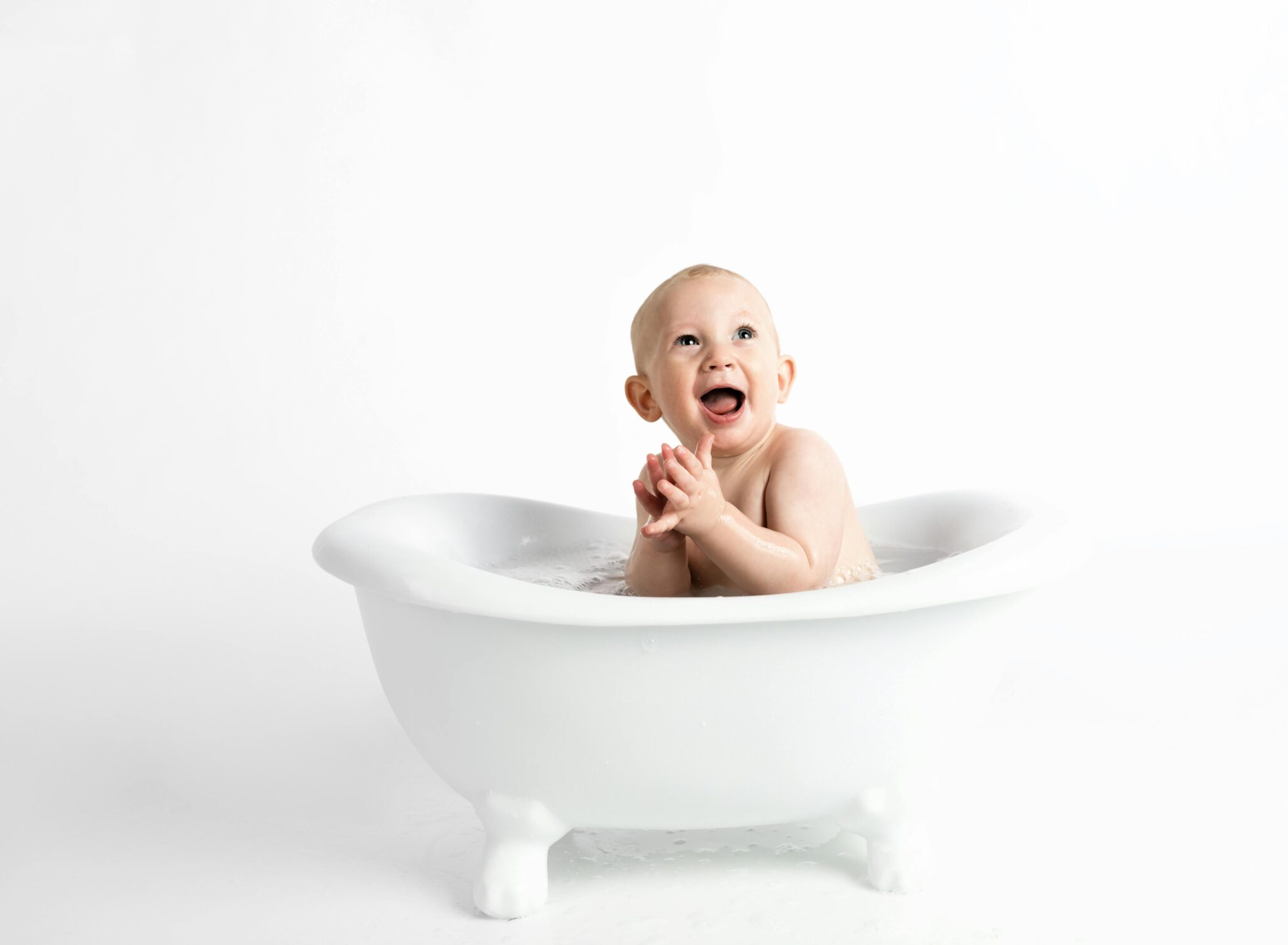
Bath time can be one of the sweetest daily rituals with a newborn — tiny toes splashing, soft giggles, warm water calming the evening fussiness. But for first-time parents, it can also feel surprisingly stressful. How warm should the water be? How often should you bathe a newborn? What products are actually necessary?
Because babies are delicate and still adjusting to life outside the womb, even small bathing mistakes can lead to skin irritation, discomfort, or unnecessary anxiety for parents.
The good news? Most common bath-time mistakes are easy to avoid once you know what to watch for. Having said that, here are some frequent baby bath mistakes first-time parents make — and how to do things more safely and comfortably. So, without any further delay, dive into the article!
1. Bathing Too Frequently
Many parents assume that daily baths are essential for hygiene. In reality, newborns don’t get dirty the way toddlers do. Until babies begin crawling and eating solids, they typically only need two to three baths per week.
Overbathing can:
- Strip natural oils from delicate skin.
- Cause dryness or flaking.
- Aggravate mild eczema.
- Increase skin sensitivity.
Between baths, gentle wipe-downs of the face, neck folds, hands, and diaper area are usually sufficient. Newborn skin is naturally soft and fragile. Preserving its protective barrier is more important than achieving a squeaky-clean routine.
2. Using Water That’s Too Hot (or Too Cold)
Water temperature matters more than many parents realize. A baby’s skin burns more quickly than adult skin, and even slightly hot water can cause discomfort. Ideal bath water temperature should be around 98–100°F (37–38°C) — close to body temperature.
Avoid:
- Testing water with only your hand.
- Filling the tub before checking the temperature.
- Adding hot water after the baby is already inside.
Instead, swirl the water and test with your wrist or elbow, which are more temperature-sensitive than your palm. A calm, comfortable bath begins with safe water conditions.
3. Not Paying Attention to the Type of Washcloth You Use
During bath time, most parents focus on soap and water temperature — but the cloth you use matters just as much. Newborn skin is extremely delicate, and rough fabrics can cause mild redness or irritation, especially around the face and neck folds.
On the other hand, soft baby washcloths are designed to clean gently without dragging against the skin. Their lighter texture allows you to wipe sensitive areas carefully while still removing milk residue, spit-up, or daily buildup.
Simply put, choosing quality materials can make the routine smoother and more comfortable for both parent and baby. The best part? Reliable brands that specialize in infant essentials, such as Gerber Childrenswear, offer bath collections that include soft, absorbent washcloths created with sensitive newborn skin in mind. These fabrics are typically gentle, easy to rinse, and comfortable to hold during bath time.
All in all, paying attention to small details like fabric softness can make a noticeable difference in how calm and soothing bath time feels.
4. Using Harsh or Overly Scented Products
Baby skin absorbs moisture — and chemicals — more easily than adult skin. Fragrance-heavy soaps or adult body washes can cause irritation, redness, or dryness.
When selecting bath essentials, keep things simple:
- Choose mild, fragrance-free cleansers.
- Avoid antibacterial or heavily perfumed products.
- Skip unnecessary bubble baths.
- Use soft, gentle materials for washing.
Newborn skin doesn’t need complex routines or layered products. A gentle cleanser and warm water are usually enough to keep your baby clean without disturbing their natural skin barrier. Keeping bath products minimal helps protect delicate skin and prevents unnecessary reactions.
5. Not Supporting the Baby Properly
A slippery baby in warm water can make even confident parents nervous. Lack of proper support is one of the most common bath-time challenges. Newborns cannot support their own heads, so one hand should always:
- Support the head and neck.
- Keep the face above water.
- Maintain steady positioning.
Use your free hand for washing. Never rely entirely on bath seats or supports without hands-on supervision. Additionally:
- Keep everything within arm’s reach.
- Never leave a baby unattended, even briefly.
- Prepare a towel, clothes, and a diaper beforehand.
All in all, planning ahead reduces scrambling. Turns out, it decreases risk.
To Sum It All Up!
First-time parents are bound to feel uncertain — that’s part of the learning curve. But most common baby bath mistakes stem from overdoing rather than underdoing: too many baths, too much heat, too many products, too much rushing.
By keeping the routine simple, prioritizing skin safety, and choosing gentle essentials, bath time can become one of the most comforting parts of the day. With patience and preparation, even the smallest splash can turn into a moment of calm connection — not confusion.