Image by Mart Production from Pexels
Preserving independence while ensuring safety is a delicate balance for aging adults. Families often worry about the risks of living alone, yet they want to respect their loved one’s desire for autonomy and dignity.
The goal is to integrate protection so seamlessly that it feels like a lifestyle upgrade rather than a restriction.
Statistics highlight the urgency of this balance. According to the CDC, falls are the leading cause of injury-related death among adults aged 65 and older, and the rates are rising.
Disorientation and unfamiliar surroundings significantly heighten this danger. This is why many discerning families are turning to modern solutions like Tranquil’s GPS-enabled tracker for the elderly, providing real-time location monitoring to quickly locate loved ones who’ve wandered into unsafe territory.
Below are three refined strategies to safeguard seniors while maintaining an elegant home environment.
1. Elegant Home Tweaks That Preserve Dignity
Design should work for every stage of life without sacrificing style. By approaching safety upgrades as refinements, families can transform potential risk zones into showcases of good taste. These changes are often invisible to guests but vital for the resident.
Layered Lighting
Upgrade overhead chandeliers with motion-activated, warm-white LEDs that illuminate hallways before a foot even meets the floor.
Under-cabinet strips in kitchens and baths reduce shadows while doubling as subtle accent lighting. This eliminates the need to fumble for switches in the dark without altering the home’s daytime aesthetic.
Designer Grab Bars & Pathways
Safety hardware has evolved significantly. Satin-brass grab bars that echo existing bathroom fixtures can blend seamlessly into a Carrara-marble shower, offering stability without the institutional look.
Elsewhere, replace decorative rugs with low-pile, non-slip runners that complement hardwood tones to ensure smooth navigation.
| Pro Tip: Prioritize “invisible” safety upgrades. Motion-sensor toe-kick lighting in bathrooms and hallways prevents falls without disrupting your home’s daytime aesthetic, blending luxury design with critical night-time functionality. |
2. Luxury Tech as a Safety Net
Modern technology allows for discreet monitoring that respects the senior’s lifestyle. Imagine a senior wandering toward a gate at a garden party, only for a family member to receive a polite alert on their phone.
This type of intervention is crucial, as six in 10 people living with dementia will wander at least once.
Why Premium Wearables Beat Traditional Pendants
Traditional emergency pendants are functional but often feel clinical, frequently ending up in nightstand drawers.
A stylish watch looks like a fashion accessory and withstands daily activities like swimming or gardening. Extended battery life further ensures the device is actually worn when it is needed most.
| Key Insight: The most effective safety device is the one they actually wear. By choosing discreet, watch-style trackers over stigmatizing medical pendants, you ensure consistent usage while preserving your loved one’s dignity and self-esteem. |
3. Daily Habits That Safeguard Wellness
Consistency is the quiet guardian of senior safety. Rituals done the same way act as cognitive anchors and physical checkpoints. Small daily habits can build a fortress of wellness around an aging adult.
Medication Rituals
Organize pills in clear, countertop trays that match kitchen décor rather than clinical plastic boxes.
Pair them with app-based reminders audible through the home’s smart speakers to ensure adherence without nagging. This integrates health management into the flow of the morning routine.
Communication Cadence
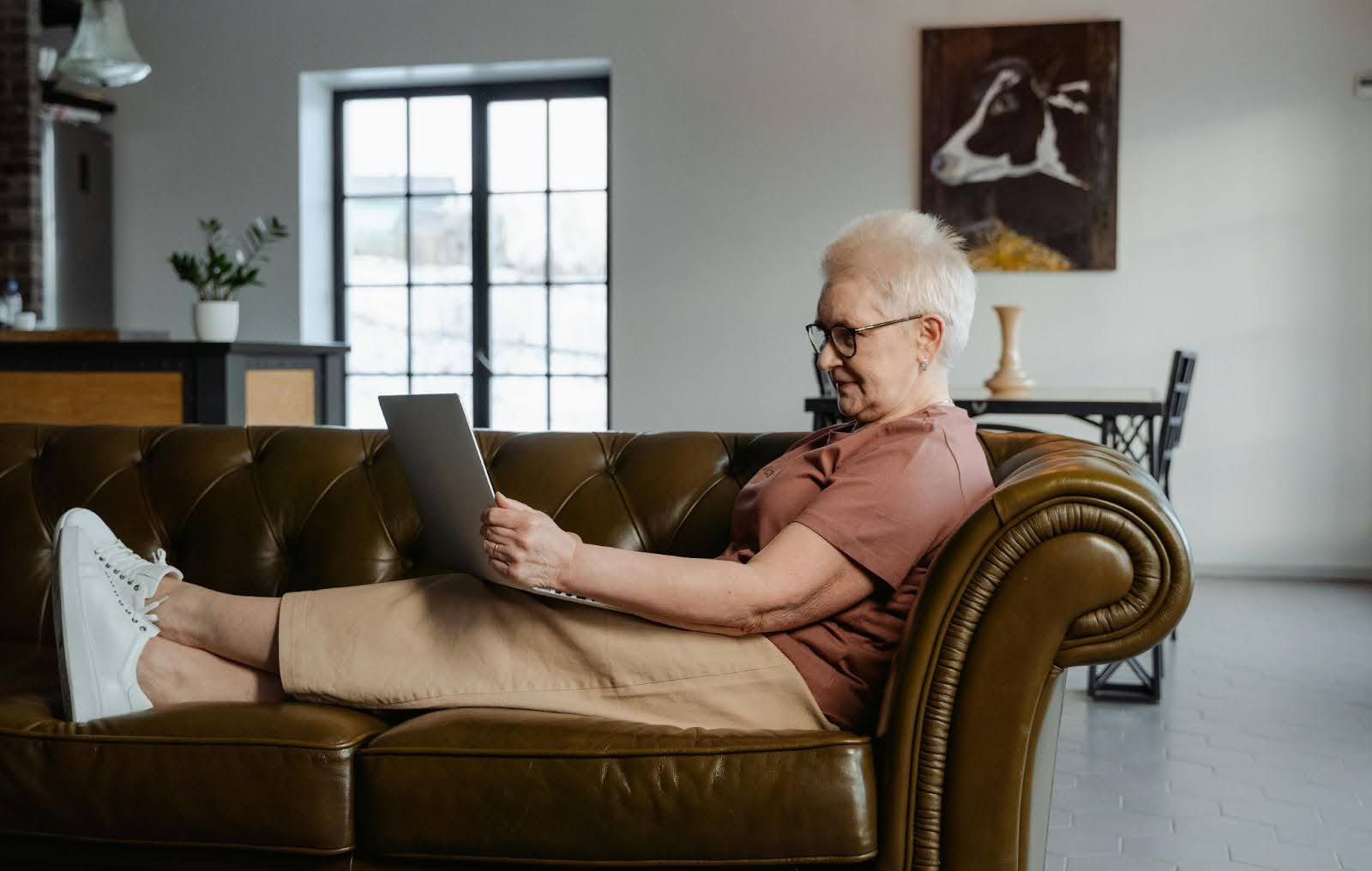
Schedule twice-weekly video calls during afternoon tea to combat loneliness. A fixed schedule offers subtle wellness checks where shifts in mood become instantly noticeable. These interactions are vital for mental and emotional health.
Wellness Check-Ins
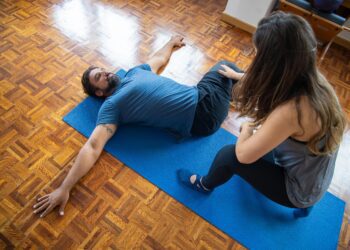
Encourage a three-minute stability routine like calf raises or a quad stretch while morning espresso brews. Daily micro-movements outperform sporadic gym visits for fall prevention. Simple actions like holding the counter while rising onto the toes can significantly improve balance.
| Quote: “Consistency is the quiet guardian of senior safety. Rituals, done the same way, at the same time, in the same place, act as cognitive anchors and physical checkpoints.” |
The Upscale Family’s Senior-Safety Checklist
Implementing a comprehensive safety strategy involves addressing both physical infrastructure and daily habits. Use this checklist to audit the current living environment.
- Install layered, motion-activated hallway lighting.
- Replace bath rugs with slip-resistant stone or teak mats.
- Add designer grab bars matching existing hardware.
- Set smart-thermostat minimum/maximum limits.
- Establish daily medication alarms linked to smart speakers.
- Schedule fixed video-call times for social engagement.
- Create property geofences for instant wander alerts.
- Fit tamper-proof wearables with one-week battery life.
- Teach a simple three-move balance routine over morning coffee.
- Save emergency contacts into the SOS cascade of safety devices.
| Important: Don’t wait for a fall to trigger action. Implementing these “invisible” safety layers proactively is significantly easier and less stressful than retrofitting a home during a medical crisis. Prevention preserves independence. |
The Path Forward
An opulent life and robust safety are no longer opposites; they are partners in graceful aging. By blending décor-friendly home updates, discreet luxury wearables, and curated daily habits, families can gift their loved ones both freedom and protection.
Start today by swapping a hallway bulb for motion lighting or scheduling tomorrow’s video call. These small steps weave peace of mind into a refined lifestyle.
| Author Profile: Tranquil is the leading manufacturer and retailer of high-end GPS locator watches for elderly individuals and those with dementia. |