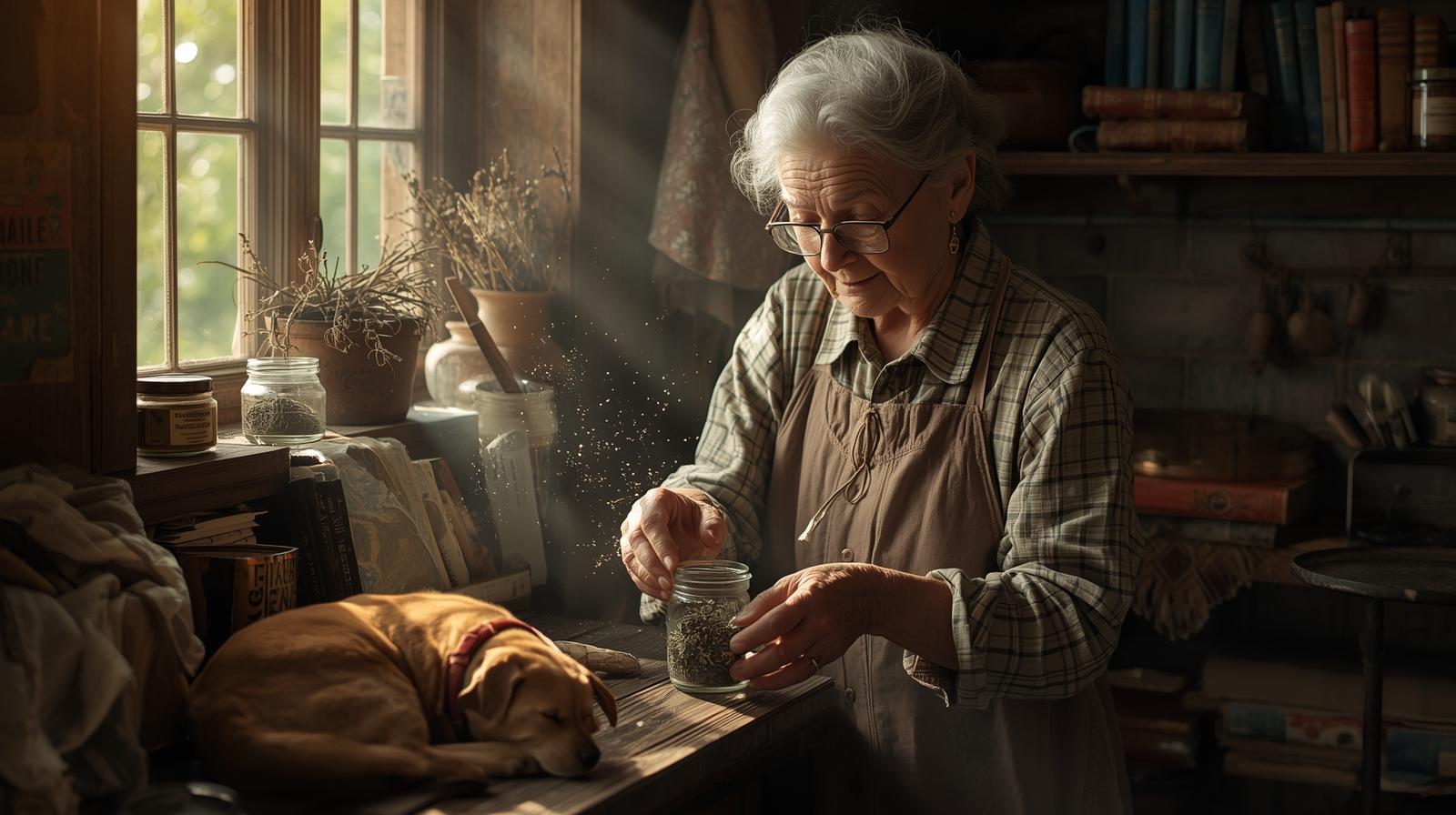
Somewhere in your family history, there’s likely someone who raised animals with nothing more than practical knowledge, common sense, and remedies passed down through generations. Maybe it was a grandmother who kept farm dogs healthy without ever seeing a veterinarian. Perhaps an uncle who treated livestock ailments with herbs and careful observation. These weren’t neglectful people, they were working with the tools and knowledge available in their time.
Today’s pet parents are rediscovering something those earlier generations knew instinctively: that attentive care, practical knowledge, and accessible remedies can address many animal health needs effectively.
The Lost Art of Animal Observation
Your grandmother probably knew her animals better than most modern pet owners know theirs. She watched them constantly, not as a conscious choice but as part of daily life. She noticed when a dog’s gait changed slightly, when a cat’s appetite shifted, or when subtle behavioral changes signaled something amiss.
This observational skill has diminished as our relationships with animals have changed. We see our pets during specific windows of time: morning feeding, evening walks, weekend play sessions. We might miss the small changes that all-day observation would reveal.
Yet this skill is precisely what modern pet parents need to reclaim. Early detection of health issues depends on noticing small deviations from normal behavior. Your grandmother’s watchful eye caught problems before they became emergencies, an approach that remains valuable today regardless of how much access we have to professional care.
Practical Wisdom Over Panic
Earlier generations maintained a pragmatic approach to animal health that modern pet culture sometimes lacks. They understood which situations required intervention and which would resolve with time and basic care. A dog vomiting once didn’t trigger an emergency visit. A cat sneezing for a day didn’t cause panic.
This wasn’t callousness, it was proportionate response based on experience. They’d seen hundreds of minor ailments resolve naturally and knew the difference between concerning symptoms and temporary issues. Today’s pet parents, often raising their first or second animal, lack this experiential database.
The challenge is recapturing that balanced perspective without dismissing legitimate concerns. Your grandmother’s calm approach came from decades of animal experience. Modern pet owners can develop similar judgment through education, careful observation, and building their own knowledge base over time.
The Kitchen Remedy Cabinet
Walk into your grandmother’s house and you’d likely find a collection of simple remedies used for both human and animal ailments. Epsom salts for swelling. Plain pumpkin for digestive issues. Chamomile for calming. These weren’t sophisticated pharmaceuticals, but they addressed common problems effectively.
Many of these traditional approaches are being validated by modern understanding. We now know why pumpkin helps with digestion: soluble fiber that aids both diarrhea and constipation. We understand chamomile’s mild sedative properties. Science explains what practice already proved.
The resurgence of interest in accessible treatment options parallels this rediscovery of practical knowledge. The conversation around pet meds without vet prescription isn’t new, it’s a return to the reality that previous generations navigated by necessity: not every health concern requires professional pharmaceutical intervention.
Modern Tools, Timeless Wisdom
Today’s pet parents have advantages previous generations couldn’t imagine: instant access to information, ability to consult experts remotely, and reliable supplies shipped directly home. Combining these modern resources with the attentive observation, practical knowledge, and balanced perspective that characterized earlier animal care creates a powerful approach.
Your grandmother’s wisdom wasn’t about specific remedies or techniques. It was about staying calm, observing carefully, acting proportionately, and trusting her judgment while knowing when situations exceeded her knowledge. These principles remain relevant regardless of how much veterinary technology advances. The tools have changed. The fundamental wisdom hasn’t.