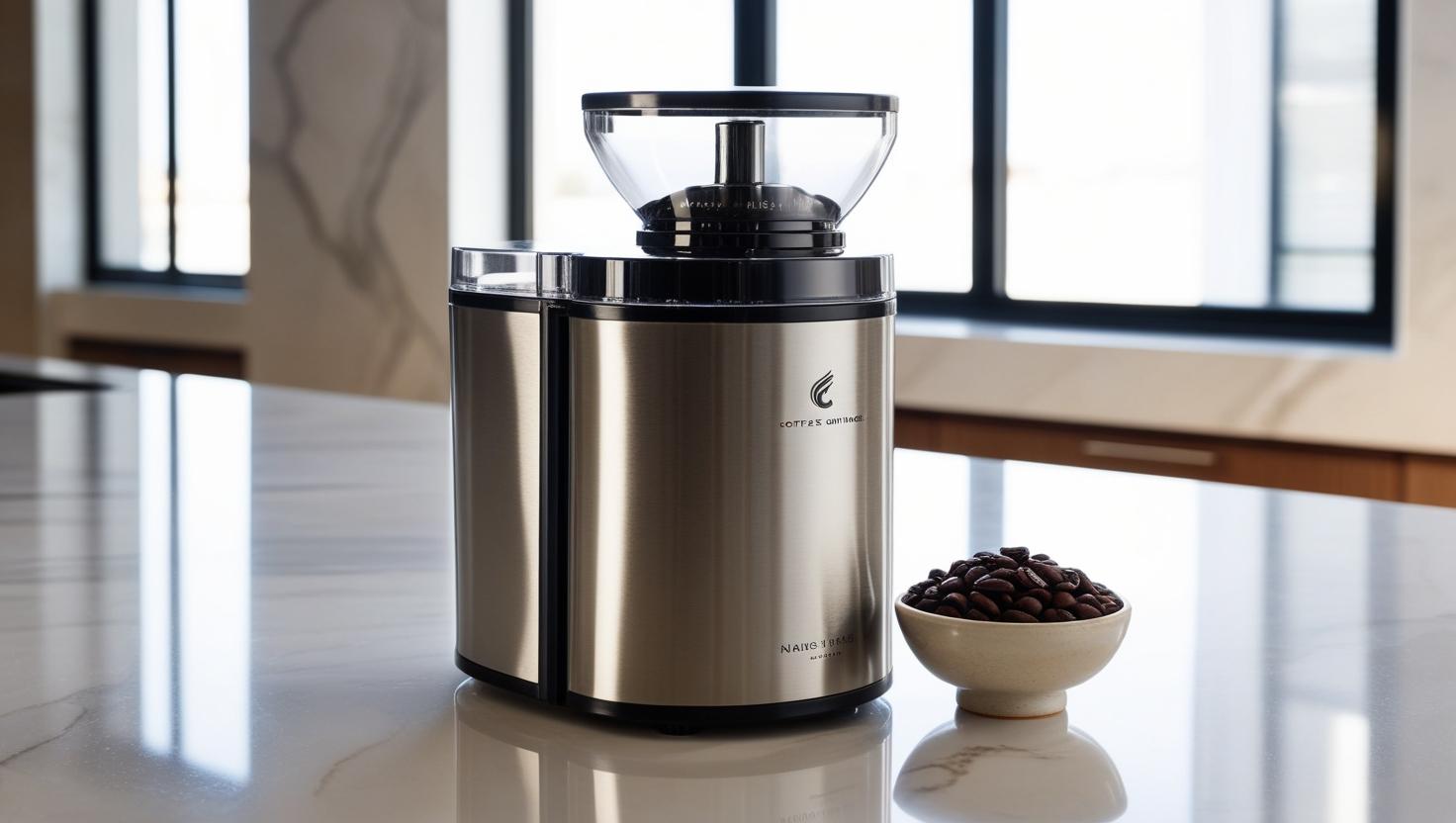
For coffee enthusiasts, the quest for the perfect cup often begins with selecting the best coffee beans. While high-quality beans are undoubtedly important, many overlook a crucial component in the brewing process is the coffee grinder. The reality is that your grinder plays a more significant role in the quality of your coffee than the beans themselves. Here’s why investing in a good coffee grinder is the key to unlocking the full potential of your coffee.
The Importance of Consistent Grind Size
The grind size of your coffee directly affects extraction, which determines the taste of your brew. Different brewing methods require different grind sizes:
- Espresso: Fine grind
- French Press: Coarse grind
- Pour Over: Medium grind
- Cold Brew: Extra coarse grind
Using a poor-quality grinder leads to uneven particle sizes, resulting in over-extracted (bitter) or under-extracted (sour) coffee. Even the best beans will taste bad if they are not ground correctly. A quality grinder ensures consistency, allowing for even extraction and a well-balanced cup of coffee.
Burr Grinders vs. Blade Grinders: Why It Matters
Coffee grinders have two main types: burr grinders and blade grinders. Understanding their differences can help you make a better choice.
- Blade Grinders: These grinders chop coffee beans with a spinning blade, leading to an inconsistent grind. Some grounds end up too fine, while others remain too coarse, making it difficult to achieve a balanced brew.
- Burr Grinders: These grinders crush beans between two burrs (either conical or flat), producing a uniform grind size. This consistency results in better extraction and a more flavorful cup of coffee.
Burr grinders may be more expensive, but they are a worthwhile investment if you’re serious about coffee quality.
Freshness: Grinding Just Before Brewing
Whole coffee beans retain their flavor and aroma much longer than pre-ground coffee. Once coffee is ground, it begins to oxidize, leading to a loss of freshness and complexity in flavor. By grinding your beans just before brewing, you maximize the aroma, taste, and overall quality of your coffee.
A high-quality grinder allows you to grind on demand, ensuring each cup is as fresh as possible. This advantage is something that even the best beans cannot compensate for if they are pre-ground and left exposed to air for too long.
Customizing Your Brew to Your Taste
Having a grinder at home gives you complete control over your coffee. Different brewing methods, coffee beans, and personal taste preferences require slight adjustments to the grind size. With a quality grinder, you can fine-tune the grind to match your desired strength, body, and flavor profile.
For example:
- If your coffee tastes too bitter, try a coarser grind.
- If it’s too weak or sour, go for a finer grind.
Being able to experiment with grind size gives you the power to perfect your coffee experience in ways that pre-ground coffee never could.
Cost-Effective in the Long Run
Many people spend money on premium coffee beans but use an inexpensive grinder or, worse, no grinder at all. Investing in a good grinder means you can buy whole beans in bulk, preserving their freshness longer and ultimately saving money. A reliable burr grinder will last for years, providing consistent performance that enhances every cup of coffee you make.
Elevating Your Home Brewing Game
If you love specialty coffee, a high-quality grinder is essential for recreating café-quality brews at home. Many third-wave coffee shops emphasize grind consistency and freshness as a key part of their brewing process. Owning a burr grinder allows you to replicate this level of precision and craft coffee that rivals your favorite coffeehouse.
Conclusion
While premium coffee beans are important, they can’t reach their full potential without a high-quality grinder. A consistent grind size, on-demand freshness, and the ability to fine-tune your brew all come down to the type of grinder you use. If you want to elevate your coffee experience, investing in a burr grinder should be your top priority—because at the end of the day, the best beans in the world won’t save a bad grind.