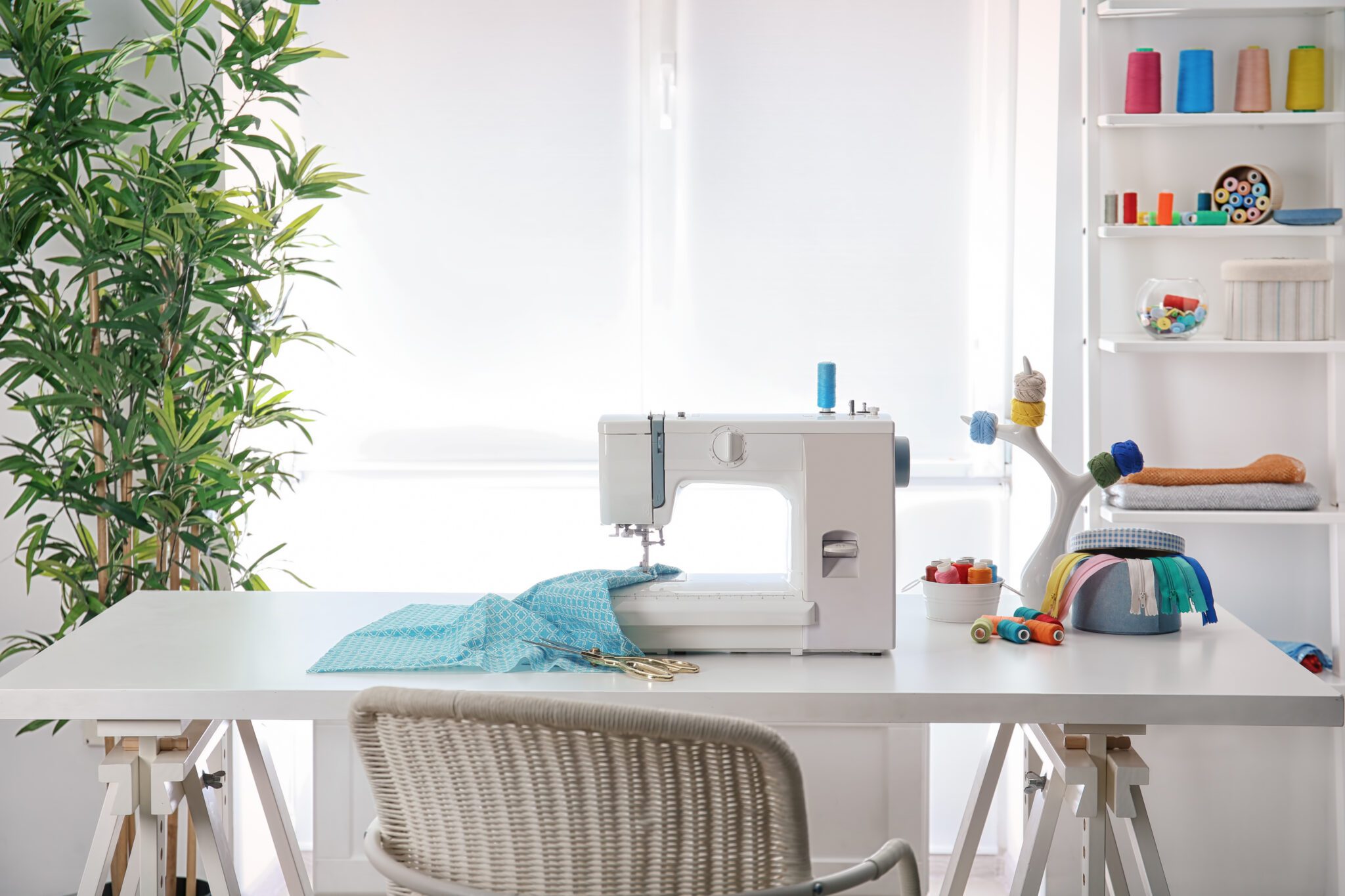
A sewing machine often gets all the attention—but the table it sits on is just as important. An industrial sewing machine table is specifically designed to handle the demands of high-speed stitching and heavy materials, making it a crucial factor in both accuracy and productivity. Whether you’re a hobbyist upgrading your setup or a professional working in a production environment, the right table can significantly improve your results and workflow.
Stability: The Foundation of Precision
A sturdy table minimizes vibrations while sewing, especially at high speeds. Even slight shaking can cause fabric to shift, leading to uneven seams or misaligned stitches. A solid, well-built table keeps your machine steady, allowing you to guide fabric smoothly and maintain precise control.
Surface Space: Room to Work Efficiently
A larger table surface provides critical support for your fabric. When working with bulky materials like quilts, curtains, or garments, extra space prevents fabric from pulling or dragging. This reduces strain on your hands and helps maintain consistent seam lines. Without adequate support, you’re constantly readjusting fabric, which slows you down and increases the chance of mistakes.
Ergonomics: Comfort Equals Productivity
The height and layout of your sewing table directly impact your posture. A poorly designed table can cause shoulder tension, back pain, and wrist fatigue. An ergonomic setup—where your arms rest comfortably and your machine is at the correct height—allows you to sew longer with less discomfort. When your body is comfortable, your focus and efficiency improve naturally.
Machine Integration: Flush and Functional
Tables designed specifically for sewing often allow your machine to sit flush with the tabletop. This creates a smooth, level working area that makes fabric handling much easier. You don’t have to lift or reposition material constantly, which improves both speed and accuracy. It also reduces the risk of snagging delicate fabrics.
Organization and Workflow
Many sewing tables include built-in storage for tools, threads, and accessories. Keeping everything within reach streamlines your workflow and eliminates unnecessary interruptions. Instead of searching for scissors or bobbins, you can stay focused on your project, maintaining momentum and productivity.
Lighting and Visibility
A well-designed table setup often accommodates proper lighting. Clear visibility is essential for accurate stitching, especially when working with fine details or dark fabrics. Good lighting reduces eye strain and helps you spot errors before they become bigger problems.
Durability for Long-Term Performance
A high-quality table is an investment. Over time, a durable work surface maintains its stability and structure, ensuring consistent performance. Cheap or unstable tables may warp or loosen, leading to ongoing issues with alignment and accuracy.
Conclusion
While it may seem like a secondary consideration, your sewing table plays a central role in your overall sewing experience. It supports your machine, your materials, and your body. By providing stability, space, comfort, and organization, the right table allows you to work more accurately and efficiently—turning sewing from a struggle into a smooth, productive process.