A certain kind of property looks like it should be an easy win, big square footage, a like a grand entrance you’d see in a movie, premium finishes, and that “luxury” label sitting in the listing like it’s a guarantee. It would make sense for this to be a smart real estate investment, right? Afterall, everyone is after luxury, and luxury tends to get a better RO anyway. Well, no, not exactly.
Well, that’s the trophy home trap, it’s when a property signals status, but it doesn’t automatically signal long-term resale strength, and that gap can get expensive fast. Now, needless to say here, buyers still love beautiful homes, of course they do, but they’re also more practical than people give them credit for, they’re thinking about livability, maintenance reality, future buyer demand, and what this property will feel like in five to ten years, not just how it looks in listing photos today.
Why isn’t “Luxury” a Permanent Category?
Luxury changes, it always has. The finishes that looked high-end twenty or thirty years ago can start reading as dated, the layout trends that used to feel impressive can start feeling inconvenient, and the features that once screamed “success” can start feeling like extra upkeep. So yeah, a home can have expensive details and still lose appeal if the fundamentals aren’t strong.
Most buyers, especially at higher price points, aren’t just buying a look; they’re buying an experience, meaning the home needs to live well day-to-day, it needs to feel easy to maintain, and it needs to feel like other people will want it too when it’s time to sell.
McMansions are a Prime Example
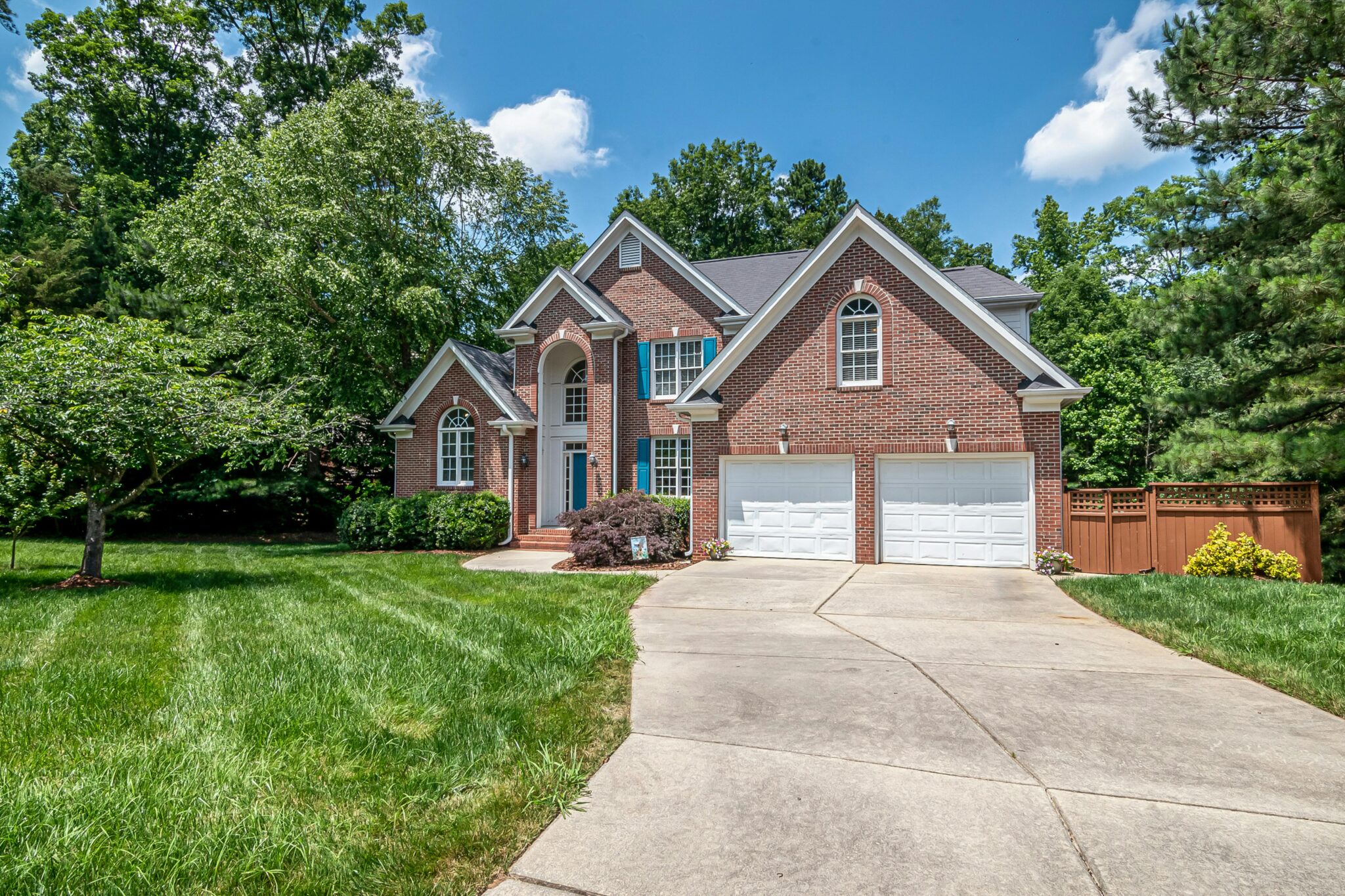
Which is honestly the best example, and it’s why it should be mentioned right from the start on here. Now, just to get it out of the way right now, McMansions didn’t become popular by accident; they were basically the perfect storm of their era. But in what way? Well, simply put, suburban land felt abundant, bigger houses felt like the clearest symbol of “making it,” credit was widely available, new builds were popping up everywhere, and buyers were sold the idea that more rooms automatically meant more value.
You were meant to feel like a king in your own castle, that’s how these were marketed, and mainly Baby Boomers (and some Gen X) ate that up as it was seen as the dream. While yes, even nowadays they’re still being built and sold, they’re not in demand for an array of reasons, like the fact that the architecture is a mismatched mess, usually poorly built, bad layouts, too much unused space (which means power bills are more expensive for heating), HVAC complexity, and so many other reasons too.
Plus, a big house used to inherently mean luxury; it used to inherently give that “wow” factor, but that idea is beginning to fade due to quality and practicality (and sustainability also plays a role).
Some “Luxury” Apartments Lose their Shine
While suburbia above was a prime example, it hits urbanism, too. Actually, this shows up in condos too, especially buildings that were marketed as luxury in the 1980s, 1990s, or early 2000s, then slowly fell behind. And in many cases, it’s not the unit that’s the issue; it’s the building’s overall condition and how it’s been managed.
Even though more apartments are currently being labeled as “luxury”, it still doesn’t change the fact that there’s a high chance for history to just repeat itself (because within a matter of years or decades, a modern luxury apartment could still become neglected). But overall, a building can have great views and a prime address, but if it feels like it’s been coasting for years, buyers pick up on that, and once a building loses its premium perception, it can be hard to earn it back.
Over-Personalized Renovations are a Problem
Yes, it’s true, high-end renovations can absolutely add value, but at the same time, they can also narrow the buyer pool when they become too specific. Like, a home can be beautifully done and still feel like it’s wearing someone else’s personality too loudly, especially at higher price points where buyers often want timeless design, or at least something they don’t feel compelled to undo. For example, having a room just covered in marble top to bottom, probably isn’t such a good idea because of the visual impact. The same can be said for themed rooms or very unusual built-ins.
Just think about it like this: buyers might admire the craftsmanship, then immediately start calculating what it’ll cost to change. For example, marble everywhere in a kitchen is going to be really expensive to replace, therefore that eats into the budget. Even when people get a mortgage, they still don’t have a lot of income afterwards for renovations, especially if it’s something massive.
Neighbourhoods Change
Just keep in mind that even the nicest home can lose value if the area around it changes in the wrong direction, and this part is often slow enough that owners don’t notice until they’re trying to sell. It’s not just that, but school performance can shift, traffic patterns can change, nearby commercial development can alter the feel of an area, local employers can come and go, insurance costs can rise in places where climate risk becomes more visible (Florida is a great example), and perceptions around safety or desirability can shift too. There’s plenty of examples out there, especially in major cities like Detroit.
But What Actually Holds Value?
Well, luxury real estate tends to hold value best when it’s anchored in fundamentals, rather than things that are flashy (which is still getting marketed even today). Meaning it needs to be about strong locations that stay desirable (NYC is a great example), genuine scarcity that can’t be replicated easily (beach fronts for example), good natural light (more and more homes are floor to ceiling windows), privacy, practical layouts that fit modern living (unlike Mcmansions), quality construction, and materials that age well instead of dating quickly.
Nowadays, buyers are understanding that flashiness doesn’t bring true value, it doesn’t create an ROI anymore, and it’s all about longevity now.