You did the surgery or got off bed rest and think you’re good. The pain is less. You can walk around. Maybe you even feel pretty normal. So why bother with all those physical therapy appointments?
Here’s the truth: feeling better isn’t the same as being healed.
Why Full Rehab Really Matters
When you have surgery or recover from an injury, your body goes through major changes. Muscles get weak from not being used. Your range of motion shrinks. Your body finds workarounds that can cause problems later.
Getting your mobility back takes more than time. Your joints need to move through their full range again. Without proper stretching and movement, scar tissue can form and stiffen things up. You might feel okay doing basic tasks, but try to play with your kids or pick up a hobby and you’ll notice the difference.
Rebuilding strength is crucial. Even a few weeks of rest can cause significant muscle loss. Weak muscles mean your joints don’t have the support they need. This puts extra stress on bones, ligaments, and tendons that are still healing.
Preventing re-injury is perhaps the biggest reason to stick with rehab. When you skip proper recovery, you’re much more likely to hurt yourself again. Your body hasn’t relearned proper movement patterns. One wrong step or awkward lift and you’re back to square one—or worse.
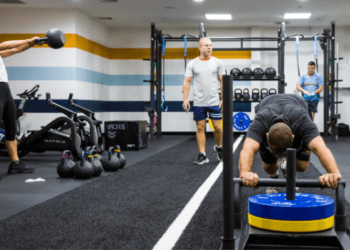
A clinic like Precision Sports outpatient rehab centre shows the value of guided outpatient rehab. Professional therapists know exactly what your body needs at each stage of recovery.
Picking the Right Rehab Spot
Not all physical therapy is the same. Here’s what to look for:
Location and schedule matter. You’re more likely to stick with therapy if it’s convenient. Find a place near your home or work with hours that fit your life.
Look for experience with your specific injury. A therapist who regularly treats knee replacements will know more than someone who mostly works with back pain. Ask about their background.
Check if they take your insurance. Rehab can be pricey. Make sure you understand what your insurance covers and what you’ll pay out of pocket.
Questions to Ask Before You Start
When you call or visit a therapy center, ask:
- How many sessions will I likely need?
- What will each session involve?
- How long are the appointments?
- Can I do exercises at home between visits?
- What equipment do you have?
- How will you track my progress?
Don’t be shy about these questions. Good therapists want you to understand the process.
What to Expect in Therapy
Your first visit will likely be an evaluation. The therapist will test your strength, range of motion, and pain levels. They’ll watch how you move and ask about your daily activities.
Then they’ll create a plan just for you. This might include:
- Stretching exercises to improve flexibility
- Strength training with bands, weights, or machines
- Balance work to prevent falls
- Hands-on techniques to reduce pain and swelling
- Education about protecting your injury at home
Sessions usually last 45 minutes to an hour. You’ll have homework—exercises to do on your own. These home exercises are just as important as the clinic visits.
Progress isn’t always straight upward. Some days you’ll feel great. Other days you might feel sore or frustrated. This is normal. Your therapist will adjust the plan based on how you’re responding.
The Effort Pays Off
Yes, physical therapy takes time. It can be uncomfortable. You might feel discouraged some days.
But here’s what proper rehab gives you: a real recovery instead of just feeling okay. The ability to return to activities you love. Confidence that your body can handle what you ask of it. A much lower chance of getting hurt again.
People who complete their full rehabilitation program consistently have better long-term outcomes. They have less pain a year later. They move better. They’re more active and independent.
Think of therapy as an investment in your future self. Every exercise you do now is building a stronger, more capable body for years to come.
You’ve already done the hard part—the surgery or the initial recovery. Don’t stop before you cross the finish line. With the right outpatient orthopedic physical therapy program and your commitment, you can get back to living fully.
Your future self will thank you for putting in the work now.