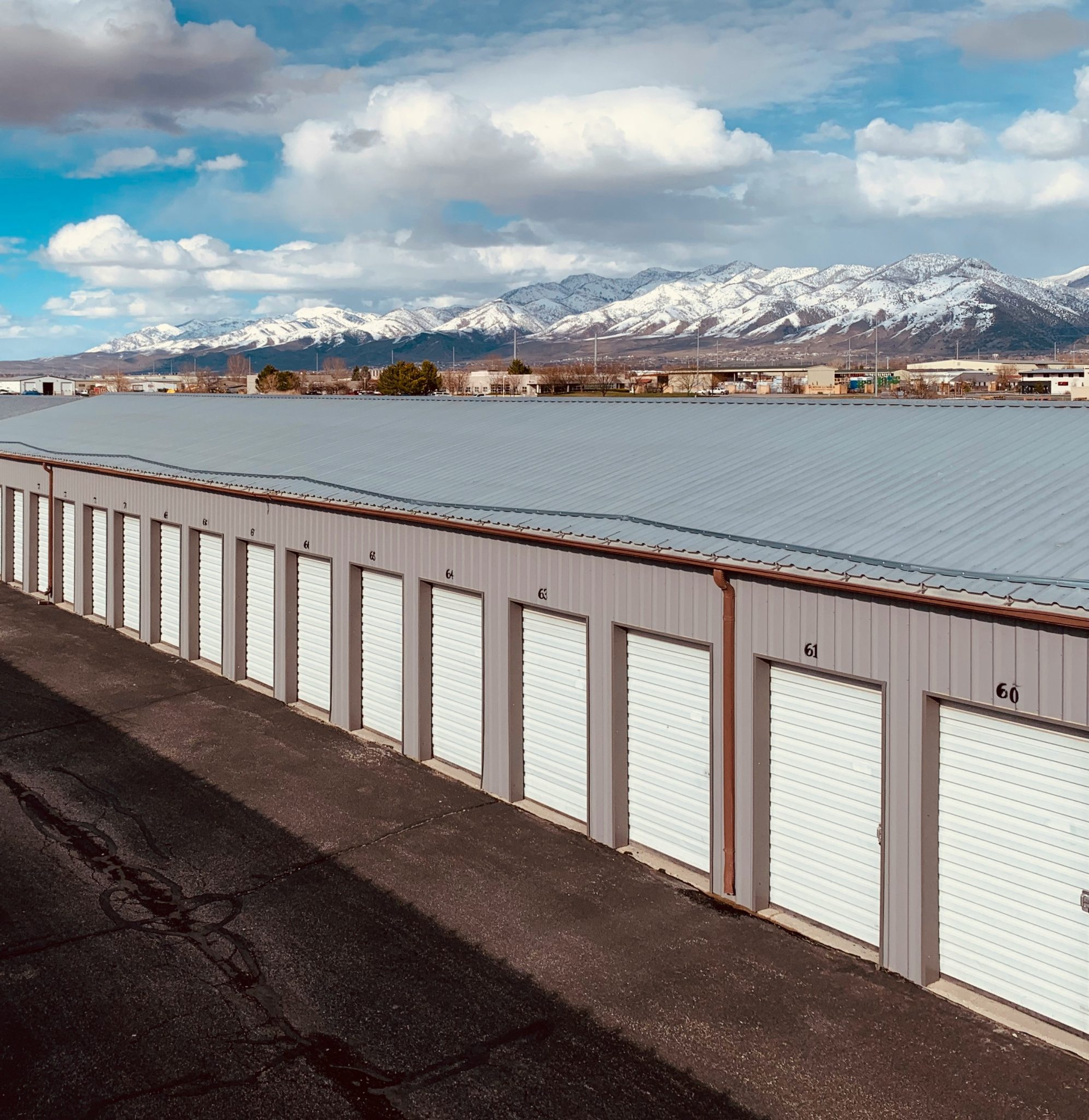
The weather in Ireland does not sit still. One week feels like spring, the next brings a sharp Atlantic chill. Those swings matter when you are packing away clothes, furniture, tools, and keepsakes. Materials respond to temperature and humidity, cardboard absorbs moisture, and metals can corrode. If you plan for the season you are in and the one you are heading toward, you protect value and save hassle.
Self-storage for Shifting Seasons
The right storage unit lets you control what the weather tries to decide for you. Choose a size with a bit of breathing room so air can circulate and boxes are not crushed. For local convenience and peace of mind, many people look for secure Waterford storage mid-sentence as they plan a move or a clearout, then set up shelves so items are off the floor. Finish by labelling boxes on two sides so you can find winter coats or camping gear without unpacking everything.
Temperature, Humidity, and Materials – What Reacts and How
Every material has a comfort zone. Paper and textiles absorb moisture, which leads to waves, stains, and mildew smells. Leather dries and cracks if conditions swing too far either way. Wood moves with humidity, so cabinet doors may stick after a damp week, then loosen during a dry one. Plastics are more stable but can warp near heat sources.
Think like a museum, scaled to normal life. Use sturdy plastic bins with tight lids for textiles and books. Wrap wood furniture with breathable covers rather than trapping moisture in plastic film. Add a simple hygrometer inside the unit so you can check humidity on each visit. If readings creep high, open a gap between bins and walls, and rotate fresh moisture absorbers.
Packing and Prep By Season

Different seasons call for different habits. A little planning helps your belongings ride out the peaks and dips.
- Spring: Box winter clothes clean and fully dry, add silica gel packs, and elevate boxes on pallets.
- Summer: Keep candles, records, and electronics away from direct sun at the unit door. Ventilate the space when you visit.
- Autumn: After leaf-fall cleanups, store garden tools lightly oiled, blades sheathed, and cords coiled.
- Winter: Avoid sealing damp gear after a rainy day – air it at home first, then pack. Use breathable covers on soft furnishings.
Pest and Odour Control When The Weather Flips
Rapid weather changes push rodents to seek shelter and food smells. Keep food out of storage, even sealed snacks. Wash and dry camping gear before boxing – crumbs and cooking residues are beacons. Use lidded plastic bins for textiles that might carry scent, and avoid scented cleaners that can attract curious pests.
Odours often trace back to trapped moisture. Let fabrics breathe, do not overpack, and leave a small air gap under each bin. A few moisture absorbers and a periodic airing during dry stretches reduce mustiness. If you catch a whiff early, spread the load, swap out any softened cardboard, and wipe lids and shelves.
Access, Insurance, and Safety in Stormy Months
Storm alerts and heavy rain can complicate access. Keep a small aisle inside the unit so you can reach the back without moving everything around on a wet day. Place the heaviest items low and centred, with fragile boxes higher but secure. A packing pattern that resists toppling is a safety tool when you are rushing in bad weather.
It also pays to know what your policy covers. Inventory your items with quick phone photos and note serial numbers for tools and electronics. If a wild swing from dry to damp leaves marks on a table or a guitar case, you will have clear records for claims.
Why Recent Irish Patterns Matter for Storage Choices
A national forecaster indicated 2024 was provisionally a top-tier warm year for Ireland, which hints at milder and damp days ahead. That kind of background climate makes moisture management the everyday task in storage, not a once-a-year chore. Think absorbents, airflow, and breathable wraps as standard gear.
News coverage also highlighted a surprising number of dry stretches across 2024. Dry-to-wet whiplash tends to trigger condensation on cold surfaces, so a few simple habits help: avoid placing metal or glass directly against exterior walls, leave small spacers behind shelving, and check for beads of moisture after a rain burst. Tiny tweaks now prevent surface damage later.
Sourcing The Signals – Not Just Hunches
Met Éireann’s 2024 summary pointed to that notably warm average, which aligns with what many people felt during daily life. Warmer baselines do not always mean hot days – they often mean longer runs of damp, which storage units must outsmart. A single inexpensive hygrometer can confirm your conditions and guide action.
Reporting on the sequence of dry periods across the year helps explain why belongings sometimes look fine one week and a bit warped the next. Those alternating patterns are the hidden force behind swollen drawers, curled papers, or rusty tool edges. When you plan storage by season, you are simply planning for the patterns that Ireland is already showing.
A well-packed storage unit is a small climate strategy. It turns wild weather into something your belongings barely notice. With smart containers, breathable covers, space for airflow, and quick checks after dry-to-wet swings, you protect what matters and make access easy year-round.