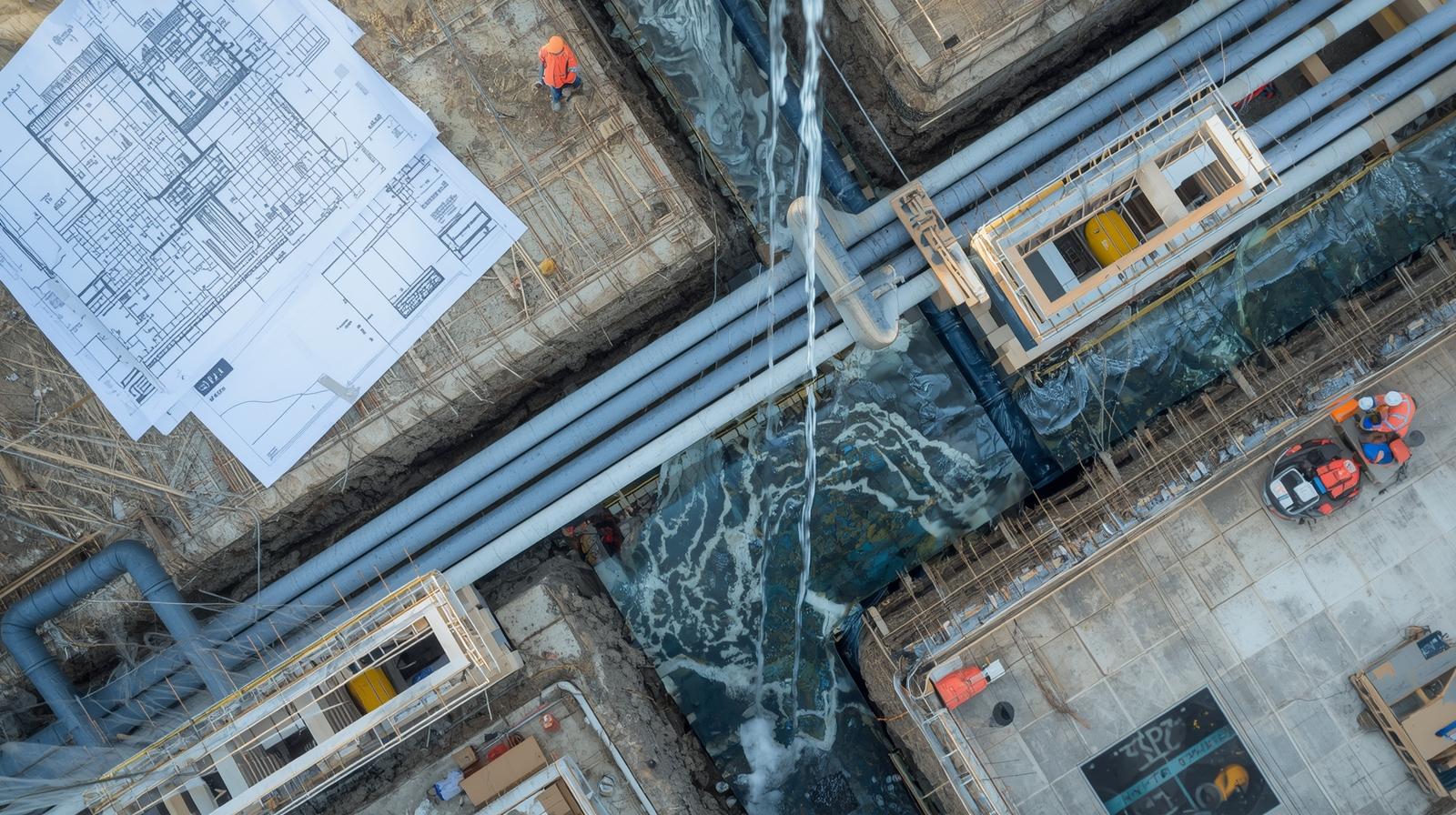
A stable construction site begins with decisions that protect the land and the people who work on it. Stormwater controls play a big role in that protection. These controls help guide runoff so it does not push soil or debris into nearby areas. Good planning creates a safer work zone and lowers the chance of expensive problems.
Stormwater compliance becomes much smoother when the approach can grow as the project grows. Scalable methods help teams adjust to new phases without stress. Many projects use stormwater compliance solutions to stay aligned with the rules that protect the environment. This article explains why scalable compliance matters and how it supports successful construction work.
Why Rules Matter on Construction Sites
Stormwater rules exist to limit the amount of sediment and chemical material that runoff can carry into drains and streams. When a site ignores these rules, nearby land and water can face real harm. A project might face delays or penalties as well. A scalable plan gives the team a stable way to meet these rules from start to finish.
Construction work changes as the project moves forward. Teams clear land, place equipment, build structures, and move from one phase to the next. A rigid stormwater plan creates stress because the site rarely stays in the same shape for long. A scalable plan supports each stage without forcing the team to rebuild the whole system. This steady approach keeps the project organized and easier to manage.
Key Parts That Strengthen Compliance
- Site assessment: A team studies the land to understand slopes, soil conditions, and water flow.
- Protective controls: Workers place barriers and erosion controls that fit the site.
- Regular checks: Staff review runoff patterns and document changes to keep reports correct.
- Clear communication: A shared plan helps workers follow the same steps.
A scalable system makes each part more dependable. As the project changes, the team can adjust these elements without confusion.
How Scalable Methods Lower Project Risks
Construction teams need tools that help them keep the project on track. When stormwater methods stay fixed while the site changes, managers may deal with delays or failed inspections. Scalable compliance lowers this risk because the team can shift its approach in a simple way.
A growing site may need stronger barriers or a new inspection route. A smaller site may need fewer controls. When the stormwater plan can be adjusted easily, the team avoids wasted time. This creates smoother progress and reduces pressure on the schedule. Many project leaders rely on stormwater compliance solutions to keep all records organized so they can pass reviews with confidence.
Long-Term Benefits for Construction Teams
A scalable stormwater plan brings real long-term value to any project. When the system is set up correctly at the start, the team avoids heavy adjustments later. This creates a steady line of quality from the first day to the last day on site. It also keeps inspections smooth and helps the crew move through each phase with fewer setbacks.
A smart plan builds confidence among workers and project owners. Everyone understands the role they play. Each team member knows how to update controls without confusion. This level of clarity supports a safer workplace and protects the surrounding environment. It also shapes a better reputation for the company because it shows responsible and consistent site management.
Scalable stormwater compliance supports safe and responsible construction work. When teams use methods that adjust to the size and shape of the project, they reduce risk and maintain stronger control of the site. This creates a steady path that protects the land and keeps the project moving in a positive direction.