Air travel has always carried a mix of elegance and frustration. On one hand, it promises adventure and efficiency. On the other, commercial flights often mean long security checks, cramped seats, and endless delays. For many frequent travelers, these inconveniences have turned flying into a chore rather than a pleasure.
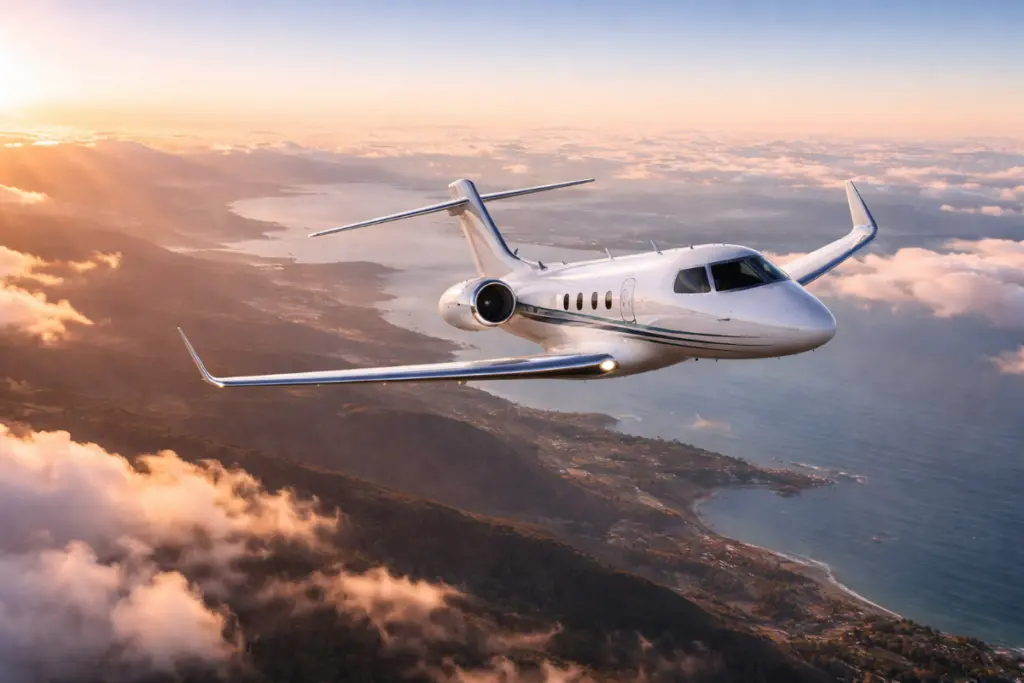
That is why the idea of buying a private jet feels so attractive. Private jet ownership isn’t just about status; it represents freedom, flexibility, and full control of your schedule. Imagine skipping airport lines, boarding in minutes, and landing closer to your destination at smaller airports. This is what draws people into the private jet lifestyle, where comfort and efficiency merge.
Still, it’s not all glamour. Owning a private plane comes with serious responsibilities and costs that many overlook at first. From maintenance and staff to fuel and insurance, the bills pile up quickly. That’s why it’s worth taking a closer look at both the benefits and drawbacks. Is a private jet a good investment, or just an expensive luxury? Let’s break it down step by step.
The Benefits of Owning a Private Jet
When people think about private jet benefits, the first word that comes to mind is freedom. Instead of waiting in endless lines or dealing with crowded gates, you arrive at a private terminal, breeze through a quick check, and step directly onto your aircraft. The plane leaves when you’re ready, not when the airline says so. That kind of independence is hard to match.
Some of the biggest advantages include:
- Time savings – Private jets can land at thousands of smaller airports, often cutting hours off a trip.
- Privacy – Travel only with the people you choose, away from the crowds and noise.
- Comfort – Stretch out in wide leather seats, order gourmet meals, and rest in a quiet cabin.
- Flexibility – Need to leave earlier or later? Your flight schedule adapts to you.
- Business productivity – The cabin can double as an office in the sky, perfect for private calls and meetings.
Put simply, owning a private plane hands you the one resource money can’t buy through commercial travel—time. It allows you to shape every trip around your personal or professional needs, creating a travel rhythm that commercial airlines could never provide.
Private Jet Luxury Meets Casino Perks
For those living the private jet lifestyle, luxury often extends beyond travel and into leisure. Many high-profile travelers combine private flying with exclusive gaming events. Online casinos also target this audience with premium offers. For example, promotions like the Wanted win casino no deposit bonus allow players to enjoy slots and tables without upfront costs. This mix of private travel and online gaming shows how modern luxury blends convenience, exclusivity, and entertainment.
How Does Owning a Private Jet Work?
A common question among aviation enthusiasts and entrepreneurs is: how does owning a private jet work? The process is far more complex than simply signing a check for the aircraft. It usually starts with buying a private jet, which can cost anywhere from a few million dollars for a light jet to well over $50 million for a long-range luxury model. Factors like size, brand, and onboard features push the price even higher.
But the purchase itself is only the first step. True ownership comes with a series of ongoing responsibilities:
- Hiring a crew – Most owners employ trained pilots, flight attendants, and ground staff to operate flights safely.
- Maintenance – Jets require regular inspections, engine checks, and sometimes unexpected repairs to stay in top condition.
- Fuel and operations – Costs rise depending on hours flown, routes taken, and the type of aircraft.
- Storage – Hangar rental at airports protects the jet from weather and ensures quick availability.
- Insurance – Comprehensive coverage is essential to protect both the aircraft and passengers.
Some people prefer corporate jet ownership, where the aircraft is dedicated to business executives. Others rely on management companies that handle flight scheduling, crew hiring, and technical care, making ownership more hands-off.
So, when asking how does owning a private jet work, the answer goes far beyond the purchase price. It’s a commitment to continuous care, operational planning, and significant financial responsibility. The payoff, however, is full control over travel and a lifestyle built around freedom in the skies.
The Costs of Private Jet Ownership
Here’s a simple breakdown of what owning a jet might cost:
| Expense | Estimated Annual Cost |
| Fuel | $500,000 – $1,000,000 |
| Crew Salaries | $250,000 – $500,000 |
| Maintenance | $300,000 – $700,000 |
| Insurance | $100,000 – $200,000 |
| Hangar Fees | $50,000 – $150,000 |
While these numbers may seem huge, for billionaires and corporations, the time saved often outweighs the expense.
Is Owning a Private Jet Worth It?
The big question remains: is owning a private jet worth it?
It depends on usage. If you fly often—say, 300+ hours per year—then owning a private plane may actually save money compared to constant charters. But if you only need a few trips a year, fractional ownership or renting might make more sense.
For ultra-wealthy individuals, the answer is almost always yes. After all, how rich do you have to be to own a private jet? Estimates suggest at least $50 million net worth to manage ongoing costs comfortably.
So while not everyone can own a private jet, those who do see it as both a tool and a luxury.
Pros of Airplanes for Private Travel
Flying private brings clear benefits that regular flights cannot match. Here are some of the main jet pros:
- No baggage limits (beyond plane size).
- Ability to bring pets easily.
- Access to thousands of smaller airports worldwide.
- Reduced stress from avoiding crowds.
- Enhanced safety control with trusted crew.
These private jet benefits combine to create a lifestyle where every trip is tailored around your needs.
Cons of Owning a Private Jet
Of course, not everything about private plane ownership is glamorous. There are downsides to consider:
- High costs – Fuel, maintenance, and salaries quickly add up.
- Depreciation – Jets lose value over time, just like luxury cars.
- Environmental concerns – Private planes use far more fuel per passenger than commercial ones.
- Responsibility – Even with management services, owners must oversee logistics.
- Investment risks – For most, a jet is not a profitable asset.
This is why some ask, is a private jet a good investment? The truth is, it rarely is in financial terms. It’s about lifestyle, not profit.
Who Owns a Private Jet?
You might be curious, who owns a private jet? Ownership isn’t just limited to billionaires.
- Business executives use jets for travel efficiency.
- Celebrities value privacy and comfort.
- Sports stars often purchase jets for personal schedules.
- Corporations invest in corporate jet ownership to move teams fast.
The private jet lifestyle is a mix of business practicality and personal luxury.
How Do Private Jets Work?
If you’re asking, how do private jets work?—they function much like commercial planes, but on a smaller, flexible scale.
- Pilots file flight plans through aviation authorities.
- Jets operate on private or public runways.
- Owners decide schedules, destinations, and passengers.
The main difference is the level of control. With private flying, you call the shots.
The Private Jet Lifestyle
Owning a jet isn’t just about flying—it’s about an entire lifestyle. The private jet lifestyle includes luxury cabins, bespoke catering, and custom interiors. Some jets have bedrooms, offices, or entertainment centers.
It’s about creating a flying space that feels like a five-star hotel. For business travelers, it’s also about turning flight hours into productive work time.
Is Flying Private Worth It?
Another common question is is flying private worth it? For frequent travelers, absolutely. Time is money, and private travel saves both.
- Faster departures.
- Stress-free check-ins.
- Direct access to small airports.
For occasional travelers, though, charter services or shared ownership can be more practical than buying a private plane outright.
Pros and Cons of Airplanes for Owners
Let’s quickly summarize the pros and cons of airplanes for private owners:
Pros:
- Convenience and flexibility.
- Luxury travel experience.
- Increased productivity.
- Privacy and security.
Cons:
- Extremely high costs.
- Maintenance and depreciation.
- Environmental impact.
- Not financially profitable.
Ultimately, the decision to own a private jet is personal, balancing lifestyle desires against financial reality.
Final Thoughts
Private jets bring incredible convenience, privacy, and freedom. The benefits of owning a private jet are clear, from saving time to creating luxury experiences. But there are also heavy costs, both financial and environmental.
So, is owning a private jet worth it? For billionaires, corporations, and those who value time above money, yes. For others, charter flights or fractional ownership may be smarter.
At the end of the day, private jet ownership isn’t about profit—it’s about freedom, status, and living life on your terms.
FAQs
- How rich do you need to be to own a private jet?
Experts suggest at least $50 million in net worth to manage the costs comfortably. - Is owning a plane worth it compared to renting?
If you fly often, yes. For fewer trips, renting or shared ownership may be smarter. - What are the main benefits of owning a private jet?
Time savings, flexibility, privacy, comfort, and business productivity. - Who invented private jets for personal travel?
Private jets evolved from military designs in the 1960s and quickly entered luxury markets.
5. Can you own a private jet with partners?
Yes, co-ownership is common to split costs and responsibilities.