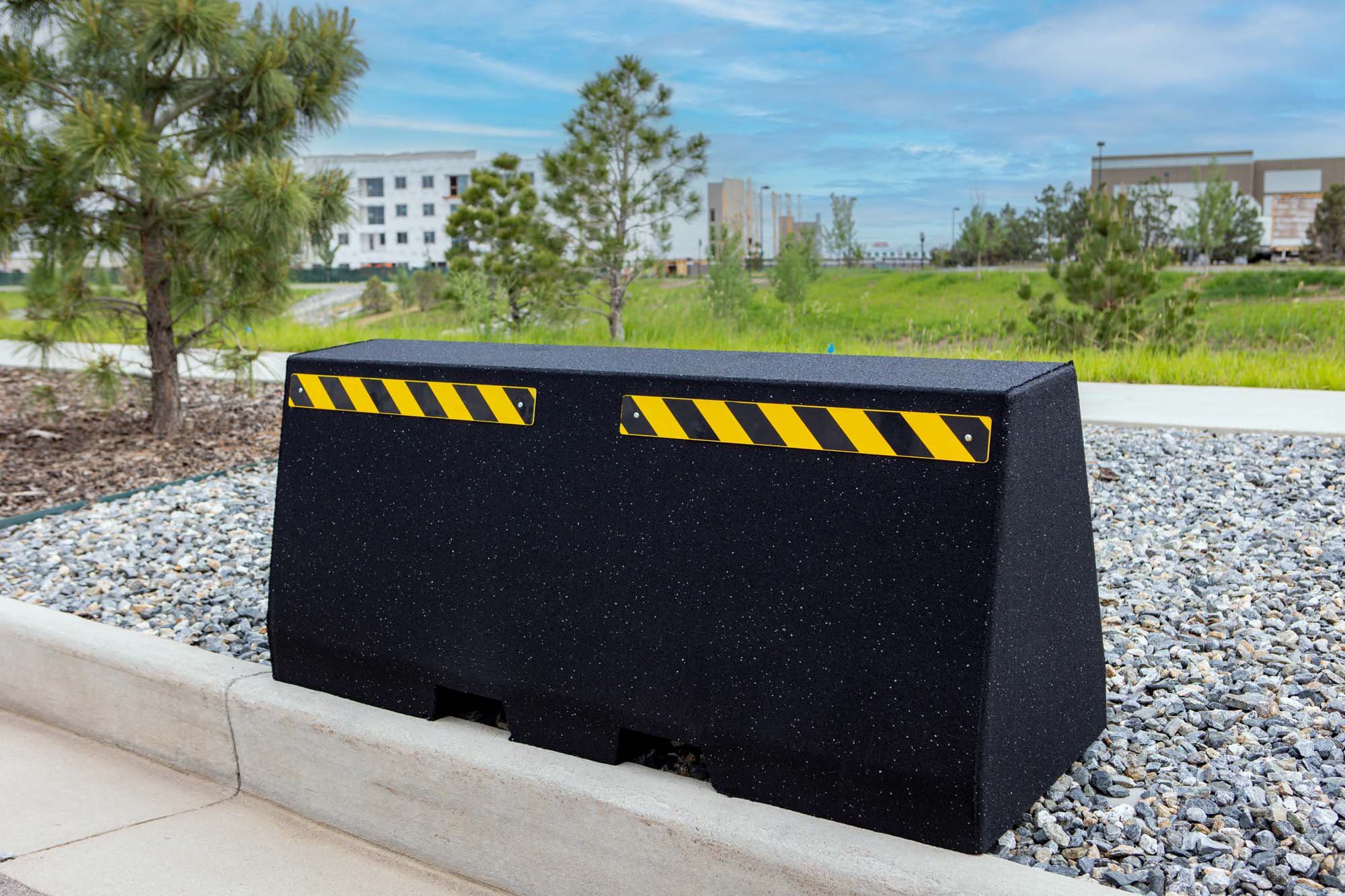
Traffic control is an important part of maintaining road safety. To effectively manage traffic, it’s important to use materials that are both durable and environmentally friendly. One option that is making waves in the realm of traffic management is the Pretred rubber safety barrier. These barriers provide a sustainable and efficient solution for temporary traffic control.
By incorporating recycled materials, these barriers present a greener alternative to traditional concrete options. Made primarily from recycled tire rubber, Pretred barriers can be a reliable component in temporary roadway setups. This makes them an appealing choice for organizations looking to minimize their carbon footprint while maintaining roadway safety.
Made from 95% Recycled Tires
Pretred recycled rubber barriers are crafted using 95% recycled tires. This makes them an environmentally friendly choice for those looking to minimize their carbon footprint. Reusing waste materials helps reduce the need for new raw materials and cuts down on landfill waste.
These barriers are not only eco-friendly but also practical. They offer a durable option for traffic management, as they do not chip or crack easily. This resilience makes them suitable for various weather conditions and repeated use over time.
The process of creating barriers from recycled tires involves repurposing old rubber, which contributes to the conservation of natural resources. By choosing these recycled barriers, projects can benefit from both sustainability and effectiveness. These barriers show a modern approach to roadway safety, combining environmental responsibility with practical application.
Eco-Friendly and Sustainable Design
Pretred Recycled Rubber Barriers are crafted using 95% recycled waste tires. This makes them an environmentally friendly choice for temporary traffic control. They provide a sustainable alternative to traditional barriers made from concrete.
These rubber barriers are designed to minimize environmental impact. By reusing materials that would otherwise end up in landfills, they help reduce waste. This supports efforts to lower carbon footprints.
Their durable construction guarantees they will not chip or break easily. This means fewer replacements are required over time. The ability to be transported and relocated easily makes them versatile and practical for various projects.
By choosing these barriers, users contribute to a greener future. The recycled materials offer both functionality and eco-friendliness. These innovations in barrier design highlight the importance of sustainable practices in everyday applications. Recyclable and reusable products like these play a significant role in promoting environmental responsibility.
Certified for U.S. Roadway Use
The recycled rubber barriers are approved for use on roads in the United States. They are made primarily from waste tires. This makes them a sustainable choice for traffic control.
These barriers can be used on roads with speed limits of up to 44 mph. The barriers have been tested for safety, making them reliable for managing traffic.
These barriers also offer a lighter alternative to traditional concrete barriers, which can reduce transportation costs and simplify installation. They are suitable for protecting both pedestrians and vehicles on lower-speed streets. The recycled material used in these barriers helps reduce the carbon footprint.
Cost-Effective and Durable Solution
Pretred recycled rubber barriers offer a smart choice for those looking for affordable traffic control options. These barriers use recycled tires, which makes them less expensive than traditional concrete alternatives. By using waste materials, they help save costs while still maintaining quality.
These barriers are not only cost-effective but also built to last. The rubber material makes them resilient, which means they can withstand harsh weather conditions without breaking or chipping. This durability reduces the need for frequent replacements.
Additionally, Pretred barriers are easy to transport and relocate. Their lighter weight compared to concrete barriers means lower transportation costs and less manpower needed for installation. This adds another layer of cost savings.
The use of recycled materials also offers environmental benefits. Reducing the carbon footprint is an added advantage, making these barriers a practical and financially sound choice for temporary traffic control purposes.
Reduces Carbon Footprint Significantly
Pretred recycled rubber barriers can help lower the carbon footprint compared to traditional options like concrete. These barriers are made using end-of-life tires, which transform waste into useful products. This not only reduces waste in landfills but also minimizes carbon emissions.
One of the main environmental benefits is the significant reduction in CO2 emissions. For each mile of these barriers used, millions of pounds of CO2 emissions are saved compared to concrete barriers. Recycling tires for this purpose turns what would be waste into something valuable, making a positive impact on the environment.
Utilizing recycled materials in the production of these barriers means using fewer natural resources. This helps to minimize the overall resource consumption in the manufacturing process. As a result, the environmental footprint is much smaller.
Additionally, these barriers have shown to be just as effective as traditional materials in traffic control applications, proving that sustainability doesn’t have to compromise performance.
Conclusion
Pretred recycled rubber barriers are an excellent choice for temporary traffic control. They are made from 95% recycled tires, which helps reduce environmental impact. These barriers are not only eco-friendly but are also practical.
Key Advantages:
- Durability: The barriers are long-lasting and resilient.
- Portability: Easy to transport and relocate when needed.
- Cost-Effectiveness: Competitively priced compared to traditional options.
Additionally, these barriers can withstand different weather conditions without chipping or breaking. Their sustainable design aligns with today’s focus on environmental responsibility. Businesses looking for efficient and eco-conscious solutions may find these barriers a suitable option for their needs.