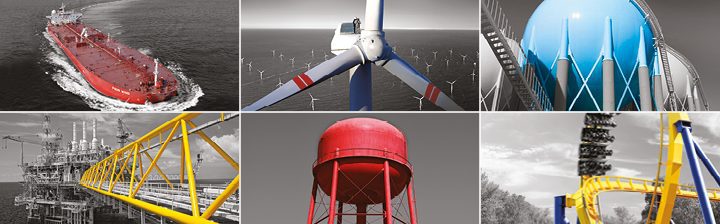
In industries where infrastructure and machinery are significant investments, ensuring long-term asset protection is a top priority. One of the most effective ways to safeguard these assets is through industrial coatings.
These specialized coatings provide a protective barrier against various environmental and mechanical factors that can lead to deterioration, corrosion, and failure. In this article, we will explore why industrial coatings are essential for asset protection and the key benefits they offer across different industries.
The Role of Industrial Coatings in Asset Protection
Industrial coatings are formulated to enhance the durability and lifespan of assets by preventing degradation caused by exposure to harsh conditions. These coatings are commonly applied to metal, concrete, and other industrial materials to protect against corrosion, abrasion, chemical exposure, and extreme weather conditions.
Corrosion Prevention
Corrosion is one of the primary threats to industrial infrastructure, especially in sectors like oil and gas, marine, and manufacturing. When metals are exposed to moisture, oxygen, and corrosive substances, they begin to deteriorate, leading to weakened structures and costly repairs. Industrial coatings, such as epoxy, polyurethane, and zinc-based coatings, create a barrier that prevents these elements from reaching the metal surface, significantly reducing corrosion risks.
Chemical and Environmental Resistance
Many industries involve exposure to harsh chemicals that can degrade surfaces over time. Chemical plants, wastewater treatment facilities, and pharmaceutical industries require coatings that can withstand acidic, alkaline, or solvent-based substances. Specialized industrial coatings offer resistance to these chemicals, preventing degradation and maintaining structural integrity.
Abrasion and Impact Protection
Heavy machinery and industrial equipment are constantly subjected to mechanical wear and tear. Without proper protection, surfaces can become damaged, leading to operational inefficiencies and increased maintenance costs. Industrial coatings with high abrasion resistance, such as ceramic coatings, help maintain equipment performance by reducing surface wear and preventing premature failure.
UV and Weather Protection
Outdoor assets, such as bridges, pipelines, and storage tanks, face continuous exposure to UV radiation, rain, snow, and temperature fluctuations. Prolonged exposure to these elements can cause materials to degrade, crack, or fade. UV-resistant coatings, including polyurethanes and acrylics, provide an added layer of protection against environmental damage, preserving the aesthetic and functional quality of the assets.
In oil and gas applications, pipeline coating is especially critical for shielding buried or exposed pipelines from moisture, corrosion, and harsh weather conditions.
Benefits of Using Industrial Coatings
Investing in industrial coating supplies offers a range of benefits that extend beyond protection, contributing to operational efficiency and cost savings.
Cost-Effective Maintenance and Repairs
Applying industrial coatings reduces the need for frequent maintenance and repairs, as they extend the lifespan of assets. By minimizing the impact of corrosion, wear, and environmental damage, companies can allocate resources more efficiently and avoid costly replacements.
Enhanced Safety and Compliance
Industrial coatings contribute to workplace safety by preventing structural failures, leaks, and hazardous material exposure. Many coatings are designed to meet industry regulations and compliance standards, ensuring that facilities operate safely and within legal guidelines.
Improved Energy Efficiency
Some industrial coatings provide insulation benefits, reducing heat loss or gain in industrial structures. Thermal barrier coatings help regulate temperatures in storage tanks and pipelines, leading to energy savings and improved operational efficiency.
Aesthetic and Branding Advantages
Beyond protection, industrial coatings enhance the appearance of assets by preventing rust, discoloration, and surface damage. This is particularly important for industries that value a clean and professional image, such as commercial facilities and transportation sectors.
Applications of Industrial Coatings Across Industries
Industrial coatings are utilized across a wide range of industries, including:
- Manufacturing & Machinery: Extending the lifespan of factory equipment and production lines.
- Construction & Infrastructure: Preserving bridges, roads, and buildings from weathering and physical wear.
- Marine & Shipping: Preventing biofouling and corrosion on ships, docks, and offshore platforms.
- Automotive & Aerospace: Enhancing vehicle durability and performance through anti-corrosion and heat-resistant coatings.
Conclusion
Industrial coatings play a crucial role in protecting valuable assets from corrosion, chemical damage, abrasion, and environmental exposure. By investing in high-quality coatings, industries can significantly extend the lifespan of their infrastructure and equipment while reducing maintenance costs and ensuring operational safety. Choosing the right coating solution tailored to specific industry needs ensures durability, efficiency, and sustainability for years to come.