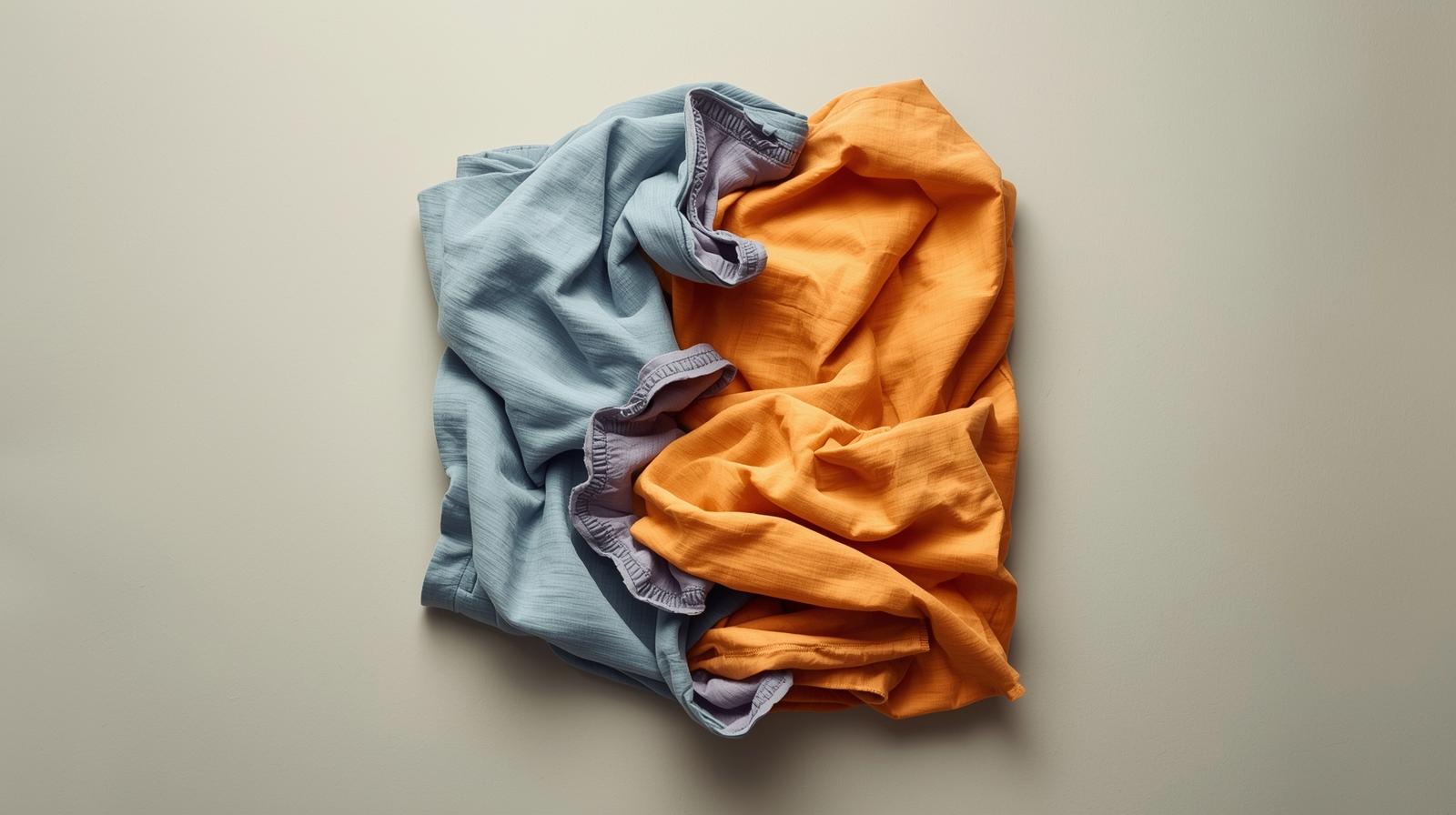
Most hoodies feel fine straight out of the box. Fit issues tend to appear later, usually after the first wash. Sleeves feel shorter. The body hangs differently. The garment still “fits,” but it no longer feels the same. That change isn’t caused by washing mistakes as much as it’s exposed by them.
Washing doesn’t create fit inconsistency. It reveals where stability was never fully achieved.
Fabric Carries Stress Longer Than Expected
Fabric goes through tension long before it becomes a garment. Knitting, dyeing, drying, and finishing all stretch or compress fibers in different ways.
If that stress isn’t allowed to settle before cutting and sewing, it stays locked in. The first wash becomes the moment when the fabric finally relaxes. When that relaxation happens unevenly, fit changes follow.
Shrinkage Isn’t One Movement
Shrinkage doesn’t happen evenly across a hoodie. Different areas respond differently once water and heat are introduced.
Sleeves are often cut on a different grain than bodies. Ribbed cuffs behave differently than jersey panels. Hoods carry more layers and seams than the torso. After washing, each section settles based on its own construction, not the size label.
Mechanical Compression Plays A Role
Fabric can be compressed without water ever touching it. Heat and pressure during finishing temporarily flatten fibers.
If garments are cut and assembled while fabric is still compressed, washing completes the relaxation process. Length loss or shape change looks sudden, but it was already pending. The wash simply finished what production started.
Panels Don’t Always Start Equal
Large garments require multiple panels, and those panels don’t always come from identical fabric conditions.
Yardage pulled from different sections of a roll behaves differently. Fabric stored tightly behaves differently than fabric stored relaxed. When those panels are sewn together, washing highlights the imbalance. One section moves. Another resists.
Grain Direction Quietly Affects Fit
Panels cut slightly off-grain don’t announce themselves during initial wear. After washing, they do.
Torque shows up. Side seams twist. Hems drift forward or back. The hoodie still measures close to spec, but it no longer sits square on the body. That discomfort often gets described as “bad fit,” even though the root cause is fabric alignment.
Sewing Locks In Tension
Stitching doesn’t just connect panels. It freezes tension where it exists.
If one panel is stretched during sewing and the next isn’t, that difference stays hidden until washing releases it. That’s when hems ripple and shoulders shift. This isn’t about operator error. It’s about process consistency.
Treatments Add Another Variable
Garment dyeing or washing introduces extra stress cycles.
Each cycle changes how fibers behave. If stabilization isn’t consistent before final assembly, washing becomes the point where differences show up. The hoodie finishes relaxing unevenly because it entered washing unevenly prepared.
Blended Fabrics React In Layers
Blends don’t behave as a single material. Cotton relaxes. Polyester resists. Elastane pulls back.
When blends aren’t stabilized thoroughly, washing exposes competing forces inside the fabric. Stretch recovery may overpower length retention. The result feels unpredictable, but it follows fiber behavior closely.
Pre-Shrink Is Often Treated As A Checkbox
Pre-shrinking reduces movement. It doesn’t eliminate it.
Many operations stop pre-shrink once measurements look acceptable. Fabric behavior may still be settling. Washing completes that process later, after the garment is already in use.
Time Between Steps Matters
Fabric continues to change after finishing. Cutting too quickly captures instability.
When timelines are tight, fabric may be sewn before it has fully relaxed. Washing becomes the first real pause. Fit changes because the fabric is finally allowed to settle without pressure.
Washing Applies Even Stress
Washing doesn’t target weak areas. It applies uniform stress to the entire garment.
That uniformity exposes uneven preparation. Panels that were rushed. Tension that was never equalized. Assumptions that never got tested. Washing doesn’t invent problems. It reveals them.
Fit Consistency Is Built Upstream
Once a hoodie reaches the customer, fit is out of the manufacturer’s hands.
Consistency comes from disciplined fabric handling, proper resting, controlled cutting, and tension-aware sewing. Those steps don’t stop shrinkage. They make it predictable.
For a custom hoodie maker, that predictability matters more than eliminating change entirely. Customers expect some movement. They don’t expect surprise.
The First Wash Tells The Truth
The first wash is the most honest test a garment will ever face.
If fit holds, the process worked. If it shifts, washing didn’t cause the issue. It exposed where stability was assumed instead of engineered.
Fit inconsistency after washing isn’t random. It’s a record of every decision made before the garment ever touched water.