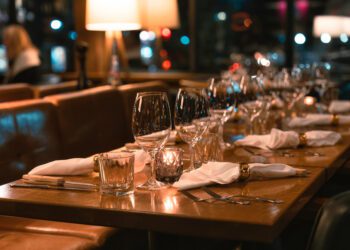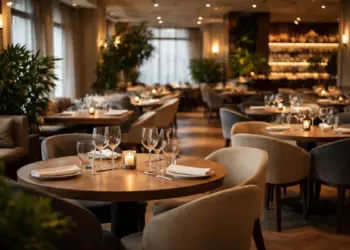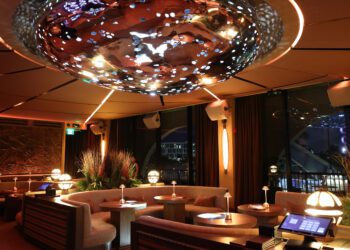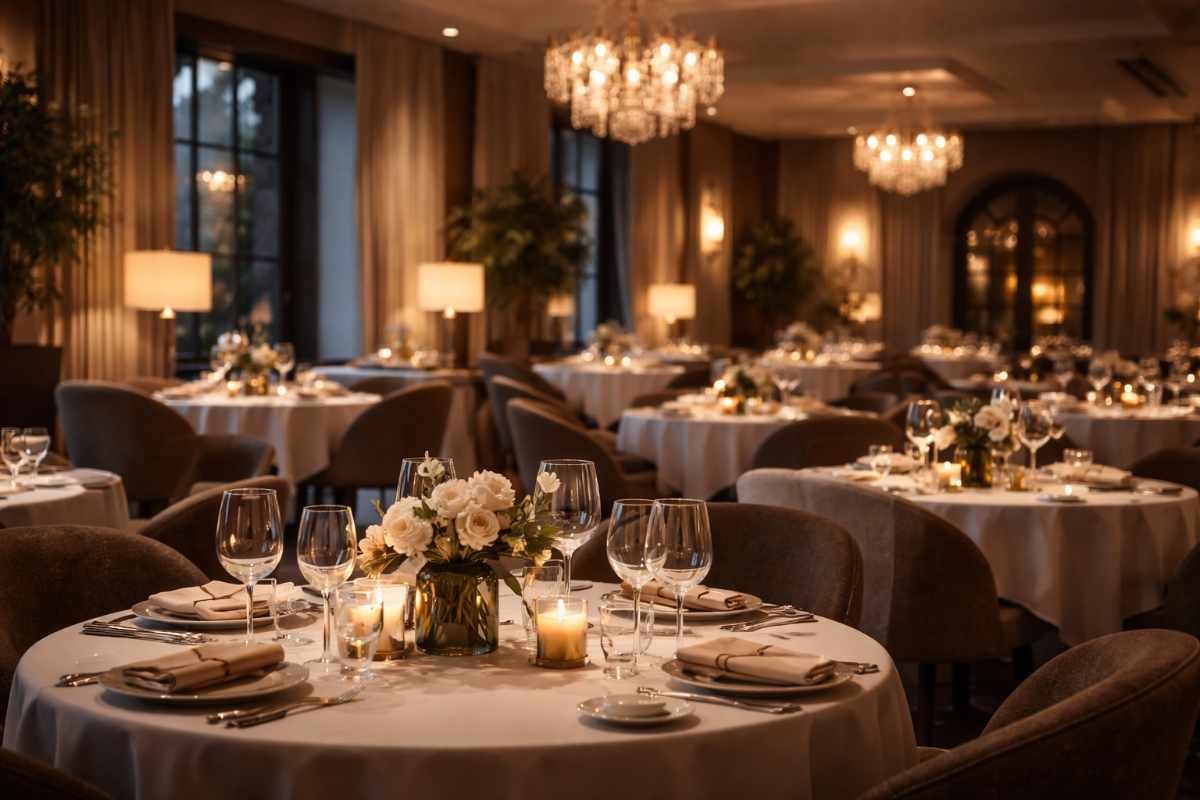
Luxury dining is not only about food. It is also about atmosphere, comfort, privacy, and experience. One of the most important yet often unnoticed elements in high-end dining is Elite Restaurant Table Layouts. The arrangement of tables, spacing between guests, and overall seating design play a huge role in how people experience a restaurant.
In elite restaurants, table layouts are rarely permanent. Managers and designers frequently adjust them to match customer behavior, seasonal demand, and overall restaurant strategy. A layout that works perfectly during a quiet winter evening may not work during a busy holiday season. Therefore, luxury restaurants carefully redesign their seating arrangements to maintain comfort while also improving efficiency.
Moreover, Elite Restaurant Table Layouts help create a balance between exclusivity and profitability. Fine dining guests expect privacy, elegance, and a sense of personal space. At the same time, restaurant owners must ensure that the seating plan allows them to serve enough guests to remain profitable. Consequently, layout changes become an important operational decision rather than just a design choice.
In this article, we will explore why elite restaurants regularly change their table layouts, the psychology behind dining spaces, and how seating strategies influence both guest satisfaction and revenue.
Why Luxury Restaurants Frequently Redesign Table Layouts?
High-end restaurants rarely keep the same layout for years. Instead, they adapt their seating plan as customer expectations and business goals evolve.
Adapting to Customer Flow
Guest traffic in elite restaurants changes depending on time, day, and season. A layout that works for weekday dinners may not suit weekend crowds.
For example:
-
Weekdays may require fewer tables with larger spacing.
-
Weekends may need slightly denser seating without affecting comfort.
Therefore, restaurant managers redesign Elite Restaurant Table Layouts to handle fluctuating customer flow.
Improving Guest Experience
Guest comfort is the foundation of luxury dining. If tables are too close, customers may feel crowded. However, if tables are too far apart, the space may feel empty and cold.
Consequently, layout adjustments help maintain a balanced atmosphere where guests feel both relaxed and valued.
Keeping the Restaurant Fresh
Luxury diners expect novelty. Even returning guests want something that feels slightly different.
Small layout changes can:
-
Improve visual appeal
-
Refresh the dining environment
-
Create new seating experiences
Moreover, redesigning table layouts allows restaurants to introduce new decor elements without a full renovation.
Psychology of Dining Space and Guest Comfort
The way tables are arranged influences how people feel while dining. Restaurant designers use spatial psychology to create environments that encourage comfort, relaxation, and longer dining times.
Personal Space Matters
Humans naturally value personal space. When tables are too close, guests may feel uncomfortable discussing personal topics.
Therefore, Elite Restaurant Table Layouts typically include wider spacing between tables compared to casual restaurants.
Visual Balance and Flow
A well-planned layout guides how guests and staff move through the space.
Designers focus on:
-
Clear walking paths for servers
-
Balanced spacing between tables
-
Comfortable seating angles
Consequently, guests feel relaxed because movement around them remains smooth and unobtrusive.
Noise Control
Table placement also affects sound levels. When too many tables cluster together, noise increases.
Elite restaurants use layout design to reduce noise by:
-
Spacing tables evenly
-
Using partitions or plants
-
Positioning large tables away from intimate seating areas
Role of Privacy and Exclusivity in Elite Dining
Privacy is one of the most valuable elements in luxury dining. Guests paying premium prices often expect a discreet and intimate environment.
Private Dining Feel
Even in a shared dining room, elite restaurants try to make each table feel slightly private.
This is achieved through:
-
Wider spacing
-
Angled seating
-
Strategic lighting
Therefore, Elite Restaurant Table Layouts often prioritize intimacy over maximum capacity.
VIP and Celebrity Guests
High-end restaurants frequently host business leaders, celebrities, and diplomats. These guests require additional privacy.
Restaurants may redesign layouts to include:
-
Hidden corner tables
-
Semi-private booths
-
Partitioned seating zones
Consequently, the layout becomes part of the luxury experience.
Revenue Optimization and Seating Strategy
While guest comfort is essential, restaurants must also focus on revenue. Table layout plays a major role in maximizing profitability without sacrificing elegance.
Table Turnover Strategy
Restaurants earn money by serving more guests throughout the night. However, luxury dining requires a slower pace.
Therefore, Elite Restaurant Table Layouts aim to balance:
-
Comfortable dining time
-
Efficient table turnover
Managers analyze guest behavior to determine the ideal number of tables.
Different Table Sizes
Elite restaurants use a mix of table sizes to accommodate various group types.
| Table Type | Purpose | Typical Guests |
|---|---|---|
| Two-Top Tables | Romantic dining | Couples |
| Four-Top Tables | Small groups | Friends or families |
| Large Round Tables | Celebrations | Groups of 6–10 |
| Chef’s Tables | Premium experience | VIP diners |
This combination allows restaurants to serve different guest types efficiently.
Flexible Seating Design
Modern luxury restaurants often use modular furniture. Tables can be combined or separated depending on reservations.
Consequently, Elite Restaurant Table Layouts become flexible enough to adapt quickly to changing guest needs.
Seasonal Redesigns and Event-Based Layouts
Luxury restaurants frequently change their layout depending on the time of year or special events.
Holiday Seasons
During festive seasons, restaurants may adjust seating to accommodate more guests.
For example:
-
Christmas dinners
-
New Year celebrations
-
Valentine’s Day reservations
Therefore, the layout becomes slightly denser while still maintaining elegance.
Special Events and Private Bookings
Restaurants also modify layouts for events such as:
-
Corporate dinners
-
Wedding receptions
-
Chef tasting events
These occasions require different seating arrangements compared to regular dining service.
Outdoor and Seasonal Spaces
Many elite restaurants operate outdoor terraces or seasonal dining areas.
Consequently, Elite Restaurant Table Layouts may shift depending on weather and available space.
Influence of Interior Design and Lighting
Interior design plays a strong role in determining how tables should be arranged.
Design Harmony
The table layout must align with the overall design concept of the restaurant.
Designers consider:
-
Wall decor
-
Artwork placement
-
Window views
-
Lighting fixtures
Therefore, tables are positioned to highlight key design features.
Lighting and Ambience
Lighting affects both mood and table placement.
For example:
-
Romantic restaurants place tables under warm lighting
-
Fine dining spaces use spotlight techniques
Consequently, lighting design often determines where tables should be placed.
Comparison of Table Layout Strategies
Casual vs Elite Restaurant Layouts
| Feature | Casual Restaurants | Elite Restaurants |
|---|---|---|
| Table Spacing | Closer together | Wider spacing |
| Guest Turnover | Fast | Slow and relaxed |
| Privacy | Minimal | High priority |
| Seating Density | High | Moderate |
| Design Focus | Functionality | Atmosphere and luxury |
How Technology Influences Table Layout Decisions?
Modern restaurant management systems help optimize seating plans.
Reservation Data Analysis
Luxury restaurants analyze reservation data to understand:
-
Peak dining hours
-
Average group size
-
Preferred seating areas
Therefore, managers can adjust Elite Restaurant Table Layouts to match real customer patterns.
Smart Seating Software
Some restaurants now use digital tools that suggest optimal seating arrangements based on reservations.
Consequently, layouts can be redesigned quickly without disrupting service.
Future Trends in Elite Restaurant Table Layouts
Fine dining continues to evolve, and table layouts are evolving as well.
Experiential Dining Spaces
Restaurants are focusing more on immersive experiences.
Examples include:
-
Chef interaction tables
-
Open kitchen seating
-
tasting counter layouts
Sustainable Design
Many elite restaurants now prioritize sustainability in furniture and layout planning.
This includes:
-
eco-friendly materials
-
energy-efficient lighting
-
space-efficient designs
Therefore, Elite Restaurant Table Layouts will continue to evolve as sustainability becomes more important.
Frequently Asked Questions
Why do luxury restaurants change table layouts often?
Luxury restaurants adjust layouts to improve guest comfort, optimize revenue, and adapt to seasonal demand.
Do table layouts affect restaurant profits?
Yes. A well-planned layout allows restaurants to serve more guests while maintaining comfort and exclusivity.
Why are tables spaced farther apart in elite restaurants?
Wider spacing improves privacy, reduces noise, and creates a more relaxed dining environment.
Do restaurants redesign layouts for events?
Yes. Many elite restaurants change seating arrangements for holidays, private events, and large group reservations.
Can table layouts influence customer experience?
Absolutely. The seating arrangement affects comfort, privacy, noise levels, and overall dining satisfaction.