The first steps a child takes in education carry more influence than many realize. The classrooms they sit in, the teachers who guide them, and the methods of learning they experience begin to shape how they will approach knowledge for the rest of their lives. Small details in these early years often have long-lasting effects. From building curiosity about the world to developing habits that encourage persistence, the earliest choices made by parents and educators often set the stage for how prepared a child will be when challenges arise later. The way children learn to approach problems, adapt to new environments, and maintain motivation often starts with the direction given in the early stages of education. These foundations are not easily replaced, which is why early decisions about schools, curriculum, and values play a central role in long-term learning success.
Building the Right Foundations for Lifelong Learning
Every child has a natural curiosity that needs the right environment to grow into a lifelong habit of learning. Schools like SVHS demonstrate how planning around teaching and curriculum can give children the tools to develop the skills they need to succeed in later education and beyond. When young learners experience classrooms that balance structure with exploration, they begin to create lasting habits of critical thinking. Exposure to different forms of expression, such as art, writing, and discussion, contributes to a broader sense of problem-solving. These experiences shape resilience, a quality that becomes necessary when coursework grows more demanding. The ability to navigate challenges without giving up starts in the early years, when lessons are still framed as discoveries rather than obstacles.
Encouraging a Love of Reading and Communication

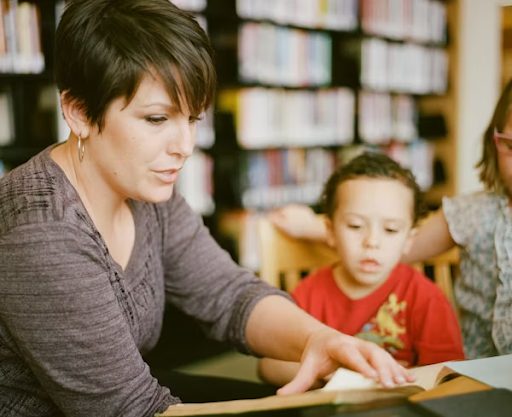
Language skills hold a unique place in long-term educational outcomes. The earlier children gain confidence in reading and communication, the more easily they progress across every subject. Strong reading habits open doors to history, science, mathematics, and personal exploration. Young learners who find joy in stories often bring the same enthusiasm to more complex texts later in life. Conversations and class discussions help children gain clarity in expressing ideas, which supports their ability to work in groups and present arguments effectively. Strong communication skills help students not only in school but in their future professional and personal lives, where listening and articulation matter as much as technical knowledge. A consistent focus on reading and communication during the first years of education sets up a foundation that supports every discipline a child may pursue.
The Role of Supportive Teachers and Mentors
The presence of supportive teachers and mentors often determines whether children carry confidence in their abilities. Early educators shape not only knowledge but also a student’s perception of learning itself. When teachers are approachable, encouraging, and patient, children are more likely to take risks in their studies without fear of failure. This risk-taking builds resilience, creativity, and adaptability. Mentorship adds another layer by showing students that learning continues beyond formal classroom instruction. Role models can inspire children to pursue areas of interest they may not have explored otherwise. For many learners, encouragement from a teacher or mentor provides the spark that transforms a temporary interest into a lifelong pursuit.
Developing Problem-Solving and Critical Thinking Skills
Education does more than transfer information; it teaches children how to use knowledge in meaningful ways. Early exposure to problem-solving tasks, whether through mathematics, science experiments, or interactive projects, trains children to think beyond memorization. Critical thinking allows them to evaluate ideas, weigh evidence, and make decisions with confidence. These skills become increasingly valuable in higher education, where independent thought is expected. By giving children opportunities to question, debate, and test solutions at a young age, schools prepare them for challenges that require patience and creativity. Early practice in these areas builds the ability to adapt to unfamiliar situations and find innovative solutions, a skill that extends far beyond academic settings.
The Influence of Parental Involvement
Parents play an undeniable role in shaping a child’s attitude toward education. Children observe the value parents place on learning, and this perception shapes their motivation. Reading together, discussing school experiences, and showing interest in progress help children feel that education is meaningful. When parents communicate with teachers and participate in school activities, they build a bridge between home and classroom, creating a consistent environment of encouragement. This involvement signals to children that education is not separate from daily life but part of their growth as individuals. Families that maintain open dialogue about school often raise students who feel supported, leading to stronger performance and confidence.
The path to long-term success in learning begins long before advanced classes or professional choices. Early educational experiences shape how children think, communicate, and approach challenges. When families and educators make thoughtful choices in these early years, they give children the strongest chance to thrive not only academically but in every stage of life.
Images: Unsplash