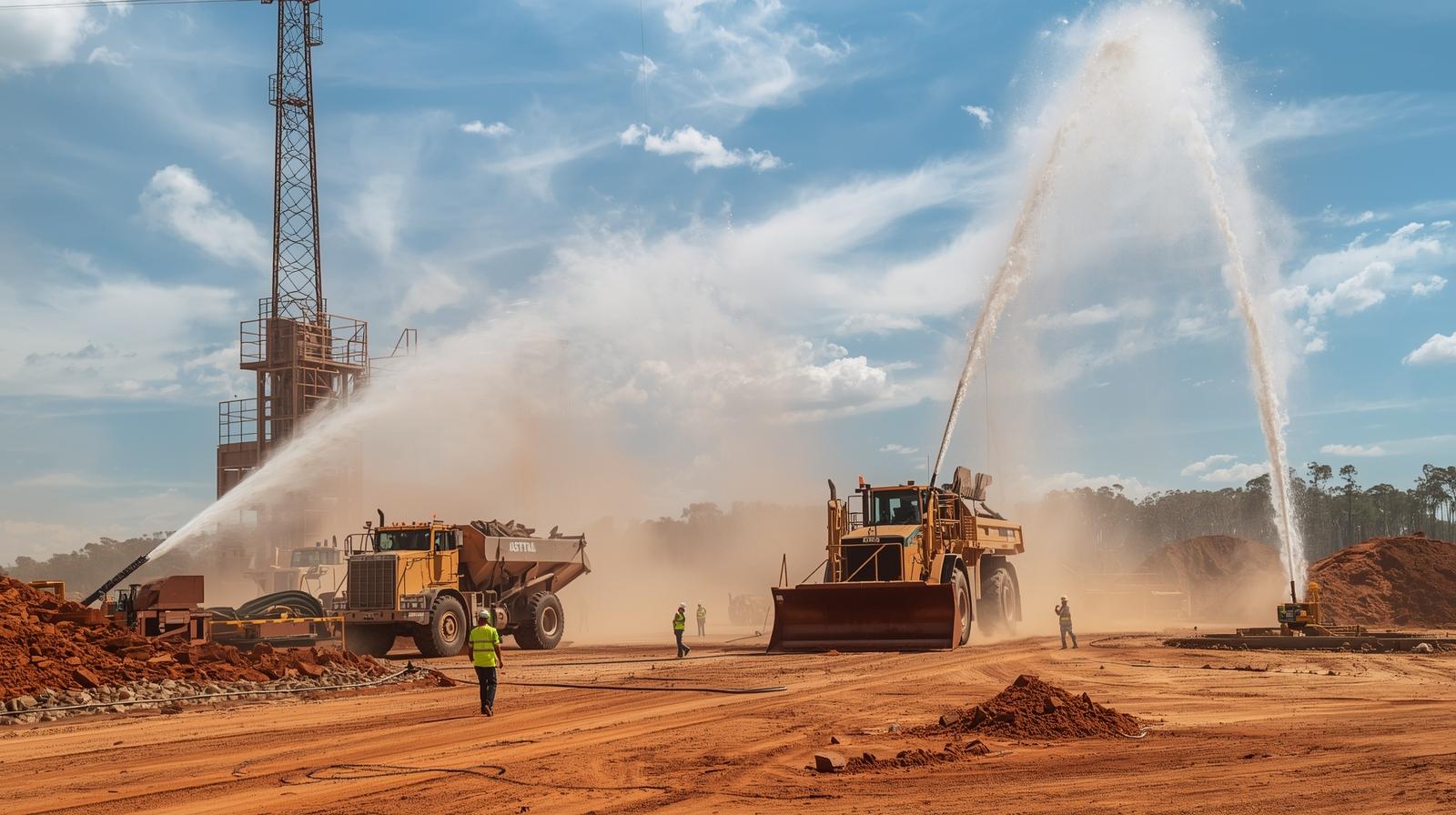
Mining and construction work create heavy clouds of dust in many parts of Australia. This dust harms workers on-site. It also reaches nearby homes. Clean air keeps people safe. Dust control lowers health risks.
Many companies use solutions from PR Water Australia to reduce airborne particles during major projects. Strict safety standards apply to every job site in Australia. Many companies do not realise how fast dust spreads during machine use. Strong wind carries these particles through open areas. These fine particles damage the lungs. Dust control protects workers. It also protects nearby communities. This article explains why dust suppression is a key safety measure in Australia.
How Dust Harms Workers and Communities
Dust rises from the soil during heavy activity. Large trucks lift dirt from the ground. Drilling breaks rock. Particles stay in the air for long periods. Workers breathe these particles during long shifts. This leads to coughing, short breath, chest pain or long-term illness. Homes close to job sites face the same danger. Children and older people face bigger health problems.
Dust reduces sight on busy job sites. Machines move across uneven ground with poor visibility. This increases the chance of workplace crashes. Weak visibility blocks critical warning signs. Eye irritation grows during long hours on dusty sites. These hazards increase during dry seasons in Australia with strong winds.
Methods That Reduce Dust on Job Sites
Some job sites spray water across open ground. This keeps particles stuck to the soil. Misting trucks cover wide areas with moisture. Fine water droplets fall on active zones. Water binds tiny particles to the surface. Some projects apply soil binders to create a strong layer on loose ground. This keeps particles from rising during heavy movement.
Teams on job sites watch weather conditions closely. Dry heat increases dust. Strong winds spread particles quickly. Crews adjust work schedules during extreme weather. They limit heavy activity when dust rises too fast. Training workers on proper dust control is a key part of safe operations. Equipment only works well when staff handle it correctly.
Dust Suppression Improves Work Quality
Suppression systems protect air quality. They keep dust from spreading. Safer air helps workers finish tasks faster. Clean air supports better performance on site. Equipment lasts longer with less dust around it. Costly repairs decrease. Sites meet strict rules from Australian authorities with proper control measures. Some companies choose solutions from PR Water Australia to support these goals.
Useful advantages
- Clear air on site.
- Fewer workplace accidents.
- Less equipment damage.
- Safer conditions for nearby communities.
- Higher compliance with rules in Australia.
Cleaner Work Practices Help the Environment
Dust pollution harms soil near job sites. It changes the quality of land around local farms. Nearby water sources are filled with harmful particles. Streams near mining or construction zones face risk from dust. Plants struggle in polluted soil. Water-based suppression keeps particles from spreading into the surrounding nature. Projects in Australia that use dust control protect the land near their sites. Responsible teams maintain suppression systems to avoid high dust levels in the future.
Dust suppression is a vital part of safe mining and construction work across Australia. It protects workers from health risks. It reduces hazards on busy job sites. Reliable control systems support cleaner surroundings near large projects. Proper dust control creates safer work environments for everyone in Australia.