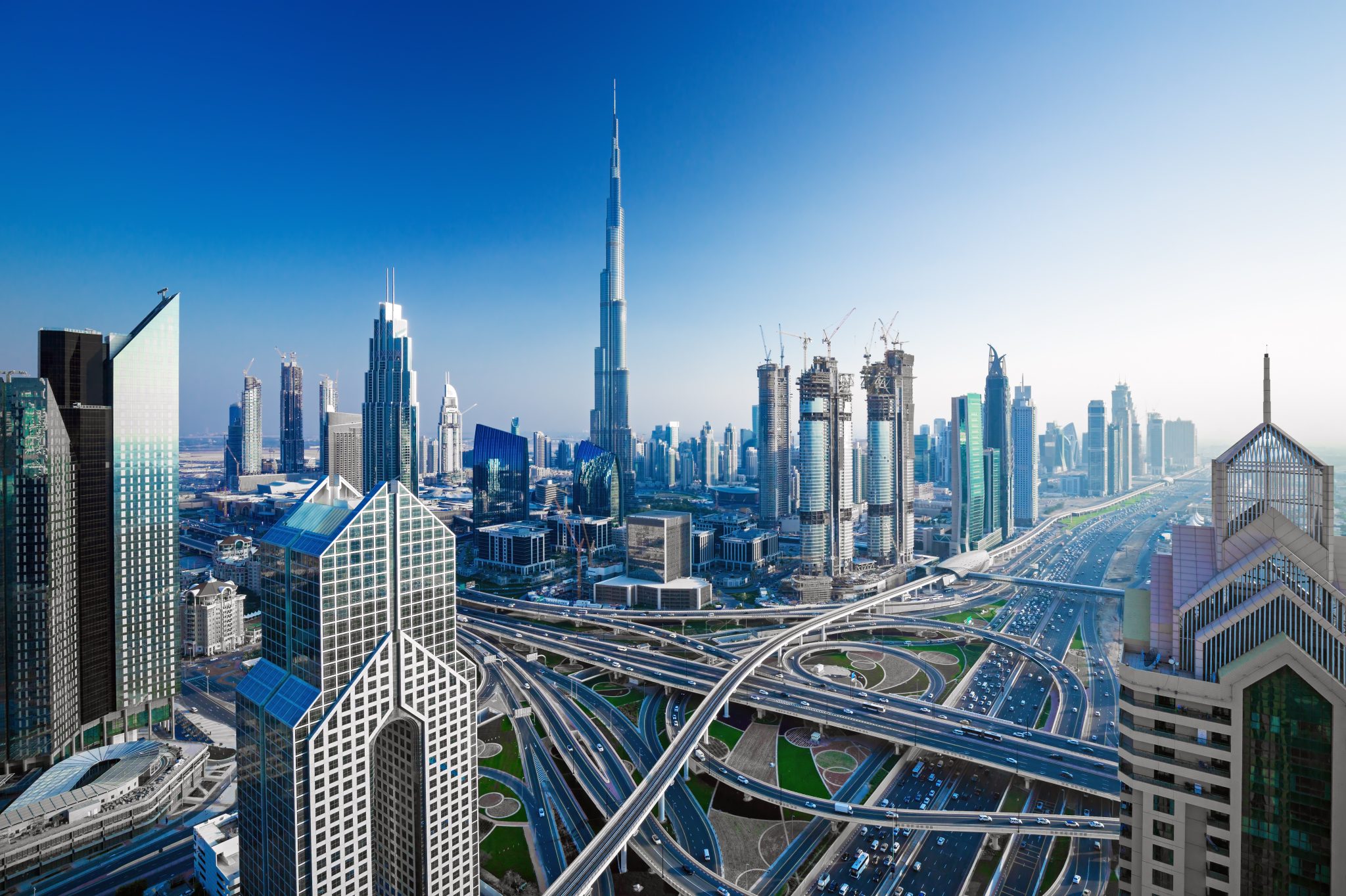
In the evolving landscape of global wealth, one city has emerged as both a sanctuary and a springboard for the world’s most powerful families and investors: Dubai. Once known mainly for its luxury real estate and glittering skyline, the emirate has matured into a strategic hub for family offices, alternative investments, and intergenerational wealth management.
As traditional markets in the West grapple with stagnating returns, mounting regulation, and geopolitical instability, ultra-high-net-worth individuals (UHNWIs) and family offices are increasingly turning to the United Arab Emirates (UAE)—and particularly the Dubai International Financial Centre (DIFC)—to establish their second residences, manage private capital, and access emerging-market growth.
The question is no longer “Why Dubai?” It is now “How quickly can we relocate there?”
The Strategic Magnetism of Dubai
Dubai’s rise as a global financial nucleus is not accidental—it is the product of vision, infrastructure, and a commitment to innovation. Situated at the crossroads of Europe, Asia, and Africa, the emirate offers a unique advantage: the transparency and governance of a developed market, combined with direct access to the explosive growth of emerging economies.
The latest DIFC report, The Future of Alternative Investments, notes that global alternative assets under management have tripled in the past decade, surpassing USD 20 trillion, and that Dubai now ranks among the top 15 financial centers worldwide.
From the outside, Dubai’s appeal might seem driven by lifestyle—tax-free income, year-round sunshine, and world-class amenities—but for UHNW investors, it is the structure beneath the skyline that matters most. The DIFC offers a common-law legal system, regulatory independence, and tax neutrality, placing it on par with London, Zurich, and Singapore as a premier financial jurisdiction.
The emirate’s pro-business policies, political stability, and legal transparency create an environment of trust—something increasingly scarce in a fragmented global economy.
The Family Office Migration
In recent years, Dubai has become the new gravitational center for family offices—the private investment vehicles that manage the wealth of ultra-affluent families across generations.
Under the DIFC Family Wealth Centre, families can establish a single or multi-family office in a matter of weeks, gaining access to a framework purpose-built for succession planning, asset protection, and cross-border investment. The ecosystem includes Special Purpose Vehicles (SPVs), holding companies, and soon, Variable Capital Companies—a new structure launching in 2025 that will provide even greater flexibility for fund managers and family offices to pool and allocate capital efficiently.
These structures provide robust legal frameworks, tax efficiency, and full ownership control, allowing families to centralize assets, diversify holdings, and manage global investments without bureaucratic drag.
The DIFC is now home to more than 440 wealth and asset management firms, including 85 hedge funds and 69 firms managing over USD 1 billion each—making it the largest concentration of alternative investment entities in the region.
For UHNW families seeking continuity and confidentiality, Dubai’s value proposition is clear: operate in a world-class jurisdiction while retaining global reach.
Economic and Regulatory Advantages
From an economic standpoint, Dubai offers unmatched efficiency. There is no corporate or personal income tax, no capital gains or inheritance tax, and no restrictions on foreign ownership or currency repatriation.
But beyond fiscal incentives lies something more fundamental—regulatory clarity and speed. While Europe’s financial hubs remain mired in bureaucracy and U.S. regulators tighten compliance, the Dubai Financial Services Authority (DFSA) provides a responsive, principles-based framework that actively facilitates innovation, particularly in alternative finance, fintech, and sustainable investment.
In fact, the DIFC has become a model for public-private partnership in financial development, enabling private investors to deploy capital into high-growth sectors such as renewable energy, digital infrastructure, AI, and real estate.
Emerging Markets, Exponential Growth
According to the Future of Alternative Investments report, emerging markets are outpacing developed economies by 2–3% in annual GDP growth, driven by youthful demographics, rapid industrialization, and a “leapfrogging” of legacy systems.
Dubai’s unique position—bridging the Middle East, Africa, and South Asia (MEASA) region—makes it a gateway to more than three billion consumers across high-growth markets that are often inaccessible or overly fragmented for Western investors.
As a result, Dubai’s financial ecosystem attracts sovereign wealth funds, private equity firms, venture capitalists, and family offices looking to invest in innovation-driven sectors—from clean energy and digital assets to health tech and sustainable real estate.
“Emerging markets are a compelling frontier for alternative investments,” said Salmaan Jaffery, Chief Business Development Officer of the DIFC Authority. “Dubai has positioned itself as a strategic gateway for investors seeking to capitalize on the next era of growth.”
Private Credit, Real Estate, and Digital Innovation
The diversification imperative is clear: traditional equities and bonds are no longer delivering the stability they once did. That’s why UHNW investors are turning to alternative asset classes that combine yield, resilience, and inflation protection.
Private credit, one of the fastest-growing segments globally, now exceeds USD 2 trillion in assets. With global banks retrenching from risk, Dubai’s private credit market has filled the void, offering bespoke, sustainability-linked financing to enterprises across the region.
Real estate, long a hallmark of Dubai’s wealth story, continues to evolve beyond luxury villas and high-rises. Prime residential prices have stabilized after a 200% surge over four years, now forecast to rise nearly 10% annually, supported by population growth, limited supply, and urban development pipelines.
Yet the most dynamic opportunities may lie in AI-powered data centers, green infrastructure, and tokenized finance.
Dubai’s government has embraced blockchain integration and cryptocurrency regulation, turning the emirate into a sandbox for financial innovation. Clear rules on stablecoins and digital assets have placed Dubai ahead of Western peers, inviting institutional capital and family offices seeking exposure to next-generation wealth creation.
The DIFC Advantage
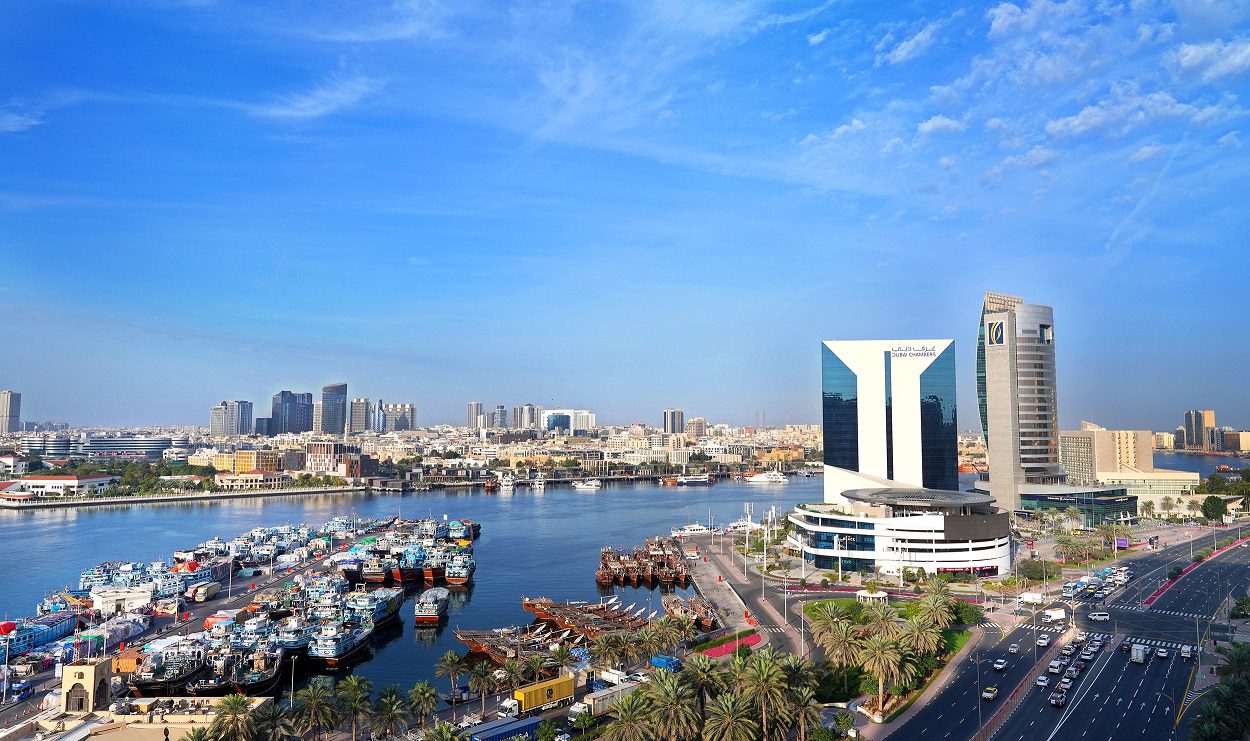
At the core of Dubai’s appeal is the Dubai International Financial Centre (DIFC)—a 110-acre district that has become the beating heart of finance in the Middle East.
The newly launched DIFC Funds Centre embodies the city’s commitment to fostering innovation in asset management. Purpose-built for hedge funds, private equity firms, and boutique investment houses, the Centre offers plug-and-play workspaces, regulatory clarity, and high-speed digital infrastructure—all designed to accelerate fund launches and scale operations with minimal friction.
This ecosystem extends far beyond office space. The DIFC fosters collaboration between global fund managers, fintech entrepreneurs, and sovereign wealth representatives, creating a living network effect that continuously drives capital efficiency.
By providing Special Purpose Vehicles (SPVs) and dedicated family office structures, DIFC enables investors to manage global portfolios from a secure and transparent platform—effectively merging Wall Street sophistication with Middle Eastern accessibility.
Comparative Edge: UAE vs. the World
When measured against traditional wealth jurisdictions like Switzerland or Singapore, Dubai’s strategic advantages are undeniable.
| Factor | Dubai / UAE | Switzerland | Singapore |
|---|---|---|---|
| Taxation | 0% income, capital gains, inheritance | Moderate | Low but taxable |
| Legal System | English Common Law (DIFC) | Civil Law | Hybrid |
| Digital Asset Policy | Advanced, pro-innovation | Restrictive | Cautiously permissive |
| Lifestyle & Residency | Global luxury hub, investment visa | Conservative, slow migration | Compact, high-density |
| Market Access | MEASA—gateway to 3B consumers | Limited | Asia-only focus |
For family offices looking to expand beyond static asset preservation into active global investment, Dubai offers not only agility but alignment—with its government, infrastructure, and financial institutions all oriented toward wealth creation and capital mobility.
 Vision from Dubai Chambers
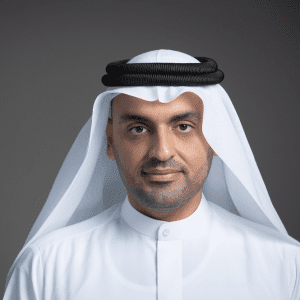
Looking forward, the role of Dubai Chambers—which oversees business advocacy, investment promotion, and global trade engagement—will be pivotal in shaping the city’s next phase of wealth migration.
When asked about Dubai’s competitive edge, H.E. Mohammad Ali Rashed Lootah, President and CEO of Dubai Chambers, highlighted the emirate’s strategy: “Our goal is not only to attract wealth, but to build ecosystems where that wealth drives innovation and sustainable growth. Dubai’s family office framework and financial reforms are structured to ensure continuity across generations, positioning the city as a legacy hub for global families.” Dubai Chambers continues to support efforts that enhance the overall investment environment, creating an ecosystem where business and lifestyle opportunities coexist—a dual proposition rarely matched elsewhere in the world.
Lifestyle and Legacy
For UHNW individuals, quality of life is inseparable from investment strategy. Dubai offers zero personal income tax, efficient visa programs, and world-class education and healthcare. The city’s cultural diversity and safety have made it the preferred home base for entrepreneurs, investors, and their families.
The Golden Visa program has further accelerated this migration, offering long-term residency to investors, entrepreneurs, and professionals in high-value sectors. Paired with second residence incentives and an expanding calendar of global art, finance, and sustainability events, Dubai has become both a playground and a powerhouse for global elites.
The New Paradigm of Wealth
Dubai’s evolution reflects a larger global trend: the rebalancing of financial power from the West to emerging markets. In this new order, the agility of governance, not the age of institutions, defines success.
The DIFC’s data tells the story: alternative assets are expanding, family offices are multiplying, and global capital is converging here faster than anywhere else in the world. From private credit to tokenized real estate, Dubai is turning abstract investment theory into tangible opportunity.
As the Future of Alternative Investments report concludes, “DIFC offers both the governance and confidence of developed market hubs, and direct access to high-growth emerging sectors and economies.”

Conclusion: The Future of Family Wealth Is in Dubai
In the post-globalization era, where geopolitical tensions, shifting regulations, and digital transformation redefine the financial landscape, Dubai has done something extraordinary—it has turned geography into strategy.
For UHNW families and institutional investors alike, the emirate offers a complete value proposition: fiscal freedom, global connectivity, innovation-led growth, and a secure foundation for legacy building.
In the words of His Excellency Arif Amiri, CEO of the DIFC Authority, “Thriving in a rapidly changing world demands an ecosystem that nurtures innovation, fosters collaboration, and connects talent and capital across borders.”
His Excellency Hadi Badri, CEO of the Dubai Economic Development Corporation (DEDC), the economic development arm of DET, summates: “Dubai’s progress reflects the strength of our ecosystem and the impact of long-term collaboration between government and business. Our success in attracting headquarters projects and investments reinforces Dubai’s role as a global hub for decision-making and growth. The diversity and quality of investments, especially in AI, FinTech and creative industries, show Dubai’s ability to anticipate global shifts and align with the sectors shaping the future economy. In the months ahead, we will continue building new partnerships, deepening existing ones and strengthening our innovation ecosystem to ensure Dubai remains the world’s leading destination for investors seeking growth and stability.”
For family offices seeking a place where innovation meets stability, Dubai is not just a destination—it is the future capital of global wealth.