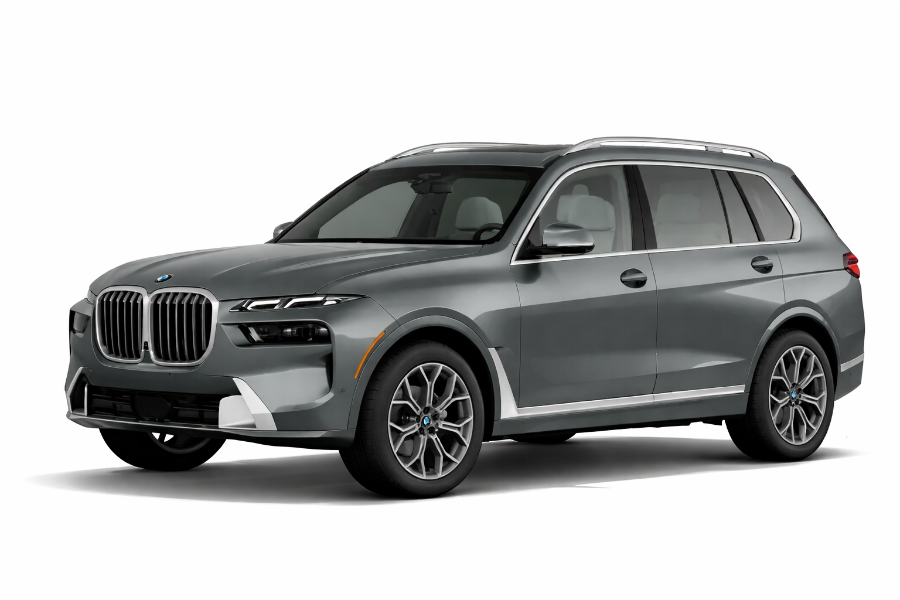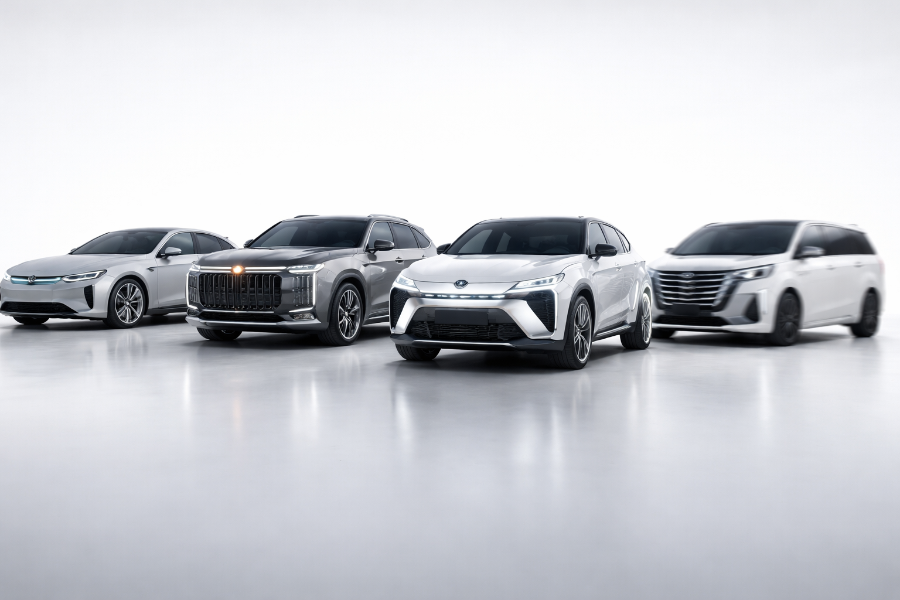
The global auto industry is undergoing a massive transformation, and at the center of this shift are Chinese Luxury Cars. Once dismissed as budget alternatives, these vehicles are now redefining what modern luxury means. From cutting-edge technology to futuristic interiors, Chinese automakers are no longer playing catch-up they are setting the pace.
For decades, luxury cars were dominated by European brands known for engineering excellence, performance heritage, and prestige. However, the definition of luxury has evolved. Today, it’s less about legacy and more about innovation, digital experience, and everyday usability. This is exactly where Chinese Luxury Cars are excelling.
What makes this shift even more compelling is how quickly it has happened. In less than a decade, Chinese brands have moved from imitation to innovation. The result? Vehicles that feel not just competitive but often a full decade ahead of traditional rivals in technology, design, and user experience.
EV-First Advantage
Built for Electric From Day One
One of the biggest reasons Chinese Luxury Cars feel ahead is their EV-first approach. Unlike traditional automakers that transitioned from internal combustion engines (ICE) to electric vehicles, Chinese brands started with a clean slate.
This allowed them to:
- Design platforms specifically for EVs
- Optimize battery placement and weight distribution
- Maximize interior space without engine constraints
As a result, these vehicles feel more refined, more spacious, and more efficient.
Battery Innovation and Charging Speed
Chinese automakers are pushing boundaries in battery technology and charging infrastructure. Many models now offer:
- Ultra-fast charging (adding hundreds of miles in minutes)
- High-voltage architectures (800V–1000V systems)
- Improved battery longevity and thermal management
Moreover, the integration between vehicles and charging ecosystems is far more seamless. This reduces range anxiety and enhances real-world usability—something traditional automakers are still working to perfect.
Software-Defined Vehicles
Cars That Improve Over Time
Chinese Luxury Cars are fundamentally software-defined, meaning their capabilities evolve through updates rather than hardware changes.
Key features include:
- Over-the-air (OTA) updates
- Continuous feature improvements
- Bug fixes without dealership visits
This approach ensures that the car you buy today becomes better tomorrow.
AI Integration and Smart Ecosystems
Another major advantage is deep AI integration. These vehicles often include:
- Advanced voice assistants
- Personalized driver profiles
- Smart home connectivity
However, traditional automakers still rely heavily on static systems. Consequently, their vehicles can feel outdated much sooner compared to their Chinese counterparts.
Interior Experience & Digital Luxury
A Shift Toward “Living Room” Design
Step inside modern Chinese Luxury Cars, and the difference is immediate. The cabin feels less like a cockpit and more like a premium lounge.
Design priorities include:
- Comfort over aggressive driving ergonomics
- Open, minimalist layouts
- Premium materials combined with digital interfaces
Screens, Sound, and Sensory Experience
Digital luxury is a defining feature. Many models offer:
- Massive panoramic displays
- Multi-screen configurations
- High-end audio systems with dozens of speakers
Moreover, ambient lighting, customizable themes, and immersive entertainment systems transform the driving experience into something closer to a personal tech hub.
Advanced Driver Assistance & AI
Smarter Driving Systems
Chinese Luxury Cars are integrating advanced driver assistance systems (ADAS) at a rapid pace. These include:
- Highway autopilot systems
- Automated parking
- Traffic-aware cruise control
Lidar and Sensor Integration
Unlike many Western brands, Chinese manufacturers are aggressively adopting lidar and multi-sensor systems. This allows for:
- More accurate environment detection
- Improved safety in complex scenarios
- Faster development toward full autonomy
However, in many European luxury cars, these features are still optional—or significantly more expensive.
Speed of Innovation
Faster Product Cycles
Traditional automakers often take 5–7 years to develop a new model. In contrast, Chinese brands operate on much shorter cycles.
They can:
- Launch new models quickly
- Introduce mid-cycle upgrades frequently
- Respond to market trends almost in real time
Integrated Supply Chains
This speed is largely due to vertically integrated ecosystems. Chinese companies often control:
- Battery production
- Software development
- Key component manufacturing
Therefore, they can innovate faster without relying heavily on external suppliers.
Competitive Pricing with High Value
Premium Features Without Premium Pricing
Another key advantage of Chinese Luxury Cars is their value proposition. They often include features that are optional (or unavailable) in European models—at a lower price.
| Feature | Chinese Luxury Cars | European Luxury Cars |
|---|---|---|
| Standard Tech | High | Moderate |
| Charging Speed | Ultra-fast | Moderate |
| Software Updates | Frequent OTA | Limited |
| Interior Tech | Advanced | Traditional |
| Price-to-Value Ratio | Excellent | Lower |
This combination of affordability and innovation makes them highly attractive to modern buyers.
Changing Definition of Luxury
From Prestige to Experience
Luxury is no longer defined solely by brand heritage. Instead, it’s about:
- Daily convenience
- Seamless technology
- Personalized experiences
Chinese Luxury Cars align perfectly with this shift.
Younger Buyers Driving the Change
Younger consumers prioritize:
- Connectivity
- Smart features
- Digital ecosystems
Consequently, they are more open to new brands that deliver better technology—even if those brands lack historical prestige.
Global Expansion & Market Impact
Rapid International Growth
Chinese automakers are expanding aggressively into:
- Europe
- Middle East
- Asia-Pacific markets
Their strategy focuses on delivering high-tech vehicles in markets ready to embrace innovation.
Increasing Competition
This expansion is reshaping the global automotive landscape. Chinese Luxury Cars are now competing directly with:
- Established European brands
- Electric vehicle leaders
Moreover, their ability to combine technology, speed, and value gives them a strong competitive edge.
Top Chinese Luxury Brands Comparison
| Brand | Strengths | Positioning | Tech Focus |
|---|---|---|---|
| NIO | Premium experience, battery swapping | Executive luxury | Software + ecosystem |
| BYD | Battery leadership, scale | Mass + premium | Charging + efficiency |
| XPeng | AI and autonomy | Tech-focused luxury | Self-driving |
| Zeekr | Performance + design | Modern premium | Digital interiors |
These brands are not just competing—they are redefining expectations.
Frequently Asked Questions
Are Chinese Luxury Cars better than European cars?
They excel in technology and value, while European brands still lead in heritage and driving dynamics.
Why do Chinese Luxury Cars feel more advanced?
Because they are built around modern EV platforms and software-first architectures.
Are Chinese Luxury Cars available globally?
They are expanding rapidly, especially in Europe and Asia, but availability varies by region.
How do they compare in price?
They generally offer more features at a lower or similar price point.
Will Chinese brands dominate the luxury market?
They are becoming strong competitors, but the market will likely remain diverse.