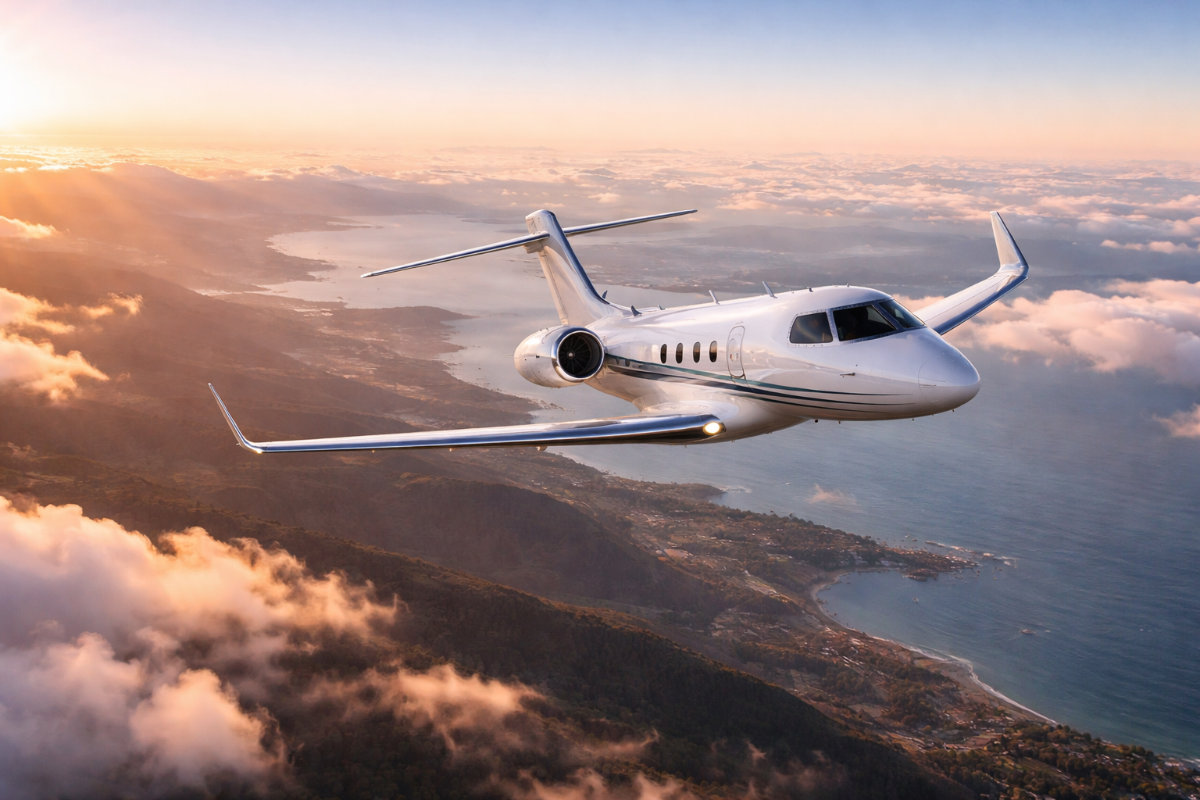
In 2026, Australia is witnessing a remarkable surge in private jet travel, reshaping the way people approach domestic and international journeys. Traditionally considered a luxury reserved for the ultra-wealthy, private aviation is now expanding to a broader demographic, including business owners, families, and remote workers seeking efficiency and convenience. With the rise of digital booking platforms and shared flight models, private jet travel is becoming more accessible than ever.
Several factors are driving this shift. Australia’s vast geography, coupled with long travel distances and limited connectivity to remote regions, makes private aviation a practical solution for time-sensitive travelers. Additionally, commercial airline disruptions, from flight delays to crowded airports, have accelerated interest in alternatives that guarantee reliability and comfort.
The private aviation market is adapting swiftly. Fleets are growing, charter services are diversifying, and the concept of “flying offices” is taking root, allowing passengers to remain productive while airborne. As a result, the appeal of private jet travel in Australia is no longer purely about luxury it’s increasingly about efficiency, safety, and strategic convenience.
Market Shift: Private Aviation for a Broader Audience
Private jet travel in Australia is evolving beyond its traditional confines. Once exclusive to celebrities and corporate executives, it is now gaining traction among small business owners, families seeking hassle-free vacations, and professionals operating in remote areas. This democratization is largely fueled by technological innovations and flexible membership programs that reduce barriers to entry.
Charter companies are noticing this change. In 2026, fleets in the region have expanded by roughly 15%, reflecting growing demand across both business and leisure segments. Shared flights, in particular, are attracting first-time flyers who previously considered private jets cost-prohibitive.
Moreover, Australians are increasingly prioritizing efficiency over cost. The ability to bypass airport congestion and adhere to precise schedules is especially valuable for industries where time equates to revenue. Consequently, private aviation is transitioning from a niche luxury market to a mainstream travel option for those seeking a premium, reliable experience.
Why Australians Are Opting for Private Jets?
Time-Saving and Reliability
One of the most compelling reasons for the rise of private aviation is the significant time savings it offers. Commercial flights often involve long check-in queues, security procedures, and potential delays. In contrast, private jets allow passengers to arrive minutes before departure, fly directly to regional airports, and avoid the unpredictability of commercial schedules.
Reliability is equally critical. Flight cancellations and disruptions, common in commercial aviation, pose challenges for business travelers and families alike. Private jets provide control over schedules and routes, minimizing downtime and stress.
Geographical Advantages
Australia’s geography further underscores the appeal of private aviation. With vast distances between major cities and remote destinations, traditional air travel can be time-consuming. Private jets can access smaller airports and remote islands, opening up regions that were previously difficult or impractical to reach.
This accessibility is driving growth in luxury tourism, particularly to secluded destinations where commercial flights are limited or non-existent. Travelers seeking unique experiences, such as island resorts or outback retreats, increasingly rely on private jets for convenience and comfort.
Productivity in the Sky
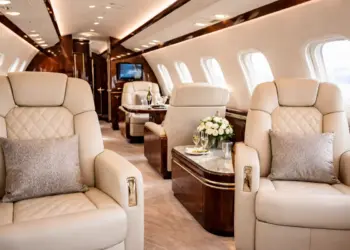
The modern workforce values connectivity and efficiency. Private jets are being transformed into mobile offices, equipped with Wi-Fi, conferencing facilities, and comfortable workspaces. This “flying office” model enables executives and entrepreneurs to continue work without interruption, making private aviation an extension of the professional environment rather than a leisure-only option.
Digital tools and online booking platforms have also simplified the logistics of arranging private flights, enabling more Australians to integrate private aviation seamlessly into their business and personal schedules.
Cost Reality: What Private Jet Travel Looks Like in 2026
While private aviation is becoming more accessible, cost remains a key consideration. Entry-level rates typically start at around $2,000 per hour, with larger jets and longer trips reaching $20,000 per hour or more. Prices are influenced by factors such as fuel costs, aircraft type, seasonal demand, and route distance.
Cost-sharing models are increasingly popular, allowing multiple passengers to split expenses and reduce per-person rates. Membership programs, offering a set number of hours or flights per year, also make private jet travel more feasible for a wider audience.
| Jet Type | Hourly Rate (AUD) | Typical Use Case |
|---|---|---|
| Light Jet | $2,000–$4,000 | Short domestic trips, 2–6 passengers |
| Midsize Jet | $5,000–$8,000 | Regional travel, 6–8 passengers |
| Heavy Jet | $10,000–$20,000 | International flights, 8–16 passengers |
Industry Trends Driving Private Aviation in 2026
Growing First-Time Flyer Demographic
Private aviation is attracting more first-time users than ever before. Digital booking systems, charter memberships, and shared flight options reduce complexity and cost, making the experience approachable for those who were previously hesitant.
Expansion of Charter Services
Charter operators are expanding their operations, both in fleet size and geographic reach. Regional airports are now better equipped to handle private jets, while urban hubs are seeing increased traffic from time-sensitive business travelers.
Membership and Shared Jet Models
Shared jet programs are redefining access. By pooling resources, passengers can enjoy private jet amenities without incurring the full cost of ownership or exclusive charter fees. Membership schemes, meanwhile, guarantee availability and often include perks like concierge services and flexible scheduling.
Resilience During Global Disruptions
Recent global events have highlighted the vulnerabilities of commercial air travel. Private aviation offers a buffer against such disruptions, allowing travelers to maintain mobility even during periods of heightened uncertainty. Consequently, demand spikes whenever commercial networks face delays, strikes, or border restrictions.
Comparing Private Jet vs Commercial Travel
| Factor | Private Jet | Commercial Flight |
|---|---|---|
| Travel Time | Significantly shorter | Longer due to check-in & delays |
| Flexibility | High (direct routes, on-demand) | Limited (fixed schedules) |
| Convenience | Personalized service, small airports | Crowded terminals, security lines |
| Cost | $2K–$20K/hour depending on jet | Generally lower, but varies |
| Privacy & Comfort | High, fully private | Limited, shared with many |
Impact on Australian Travel Behavior
The rise of private jet travel is reshaping travel norms in Australia. More professionals are opting for private flights for business, while leisure travelers are prioritizing efficiency and comfort. This trend exerts pressure on commercial airlines to improve reliability, reduce delays, and enhance customer service.
Infrastructure growth is also evident. Regional airports are expanding to accommodate private jets, and specialized facilities for fueling, maintenance, and passenger handling are proliferating. As a result, private aviation is no longer a marginal segment—it is becoming a mainstream component of Australia’s travel ecosystem.
Cost Breakdown by Jet Type
| Jet Type | Average Purchase Cost (AUD) | Average Operating Cost per Hour (AUD) | Typical Range (km) |
|---|---|---|---|
| Light Jet | $3–5 million | $2,000–$4,000 | 1,500–2,500 |
| Midsize Jet | $8–12 million | $5,000–$8,000 | 3,000–4,500 |
| Heavy Jet | $20–70 million | $10,000–$20,000 | 5,000+ |
FAQs
1. Is private jet travel in Australia only for the wealthy?
No. With shared flights and membership models, private aviation is increasingly accessible to business owners, families, and first-time flyers.
2. What destinations are popular for private jets in Australia?
Remote islands, luxury resorts, and regional hubs are increasingly accessible via private flights, especially locations with limited commercial service.
3. How much does a private jet cost per hour?
Costs range from approximately $2,000 per hour for light jets to over $20,000 per hour for heavy jets, depending on aircraft type, distance, and season.
4. Can I use private jets for work while flying?
Yes. Many jets are equipped as “flying offices,” offering Wi-Fi, conference facilities, and comfortable workspaces for productive travel.
5. Why is private jet travel growing so quickly in 2026?
Key drivers include time savings, reliability, improved accessibility, flexible pricing models, and rising demand for luxury and remote travel experiences.