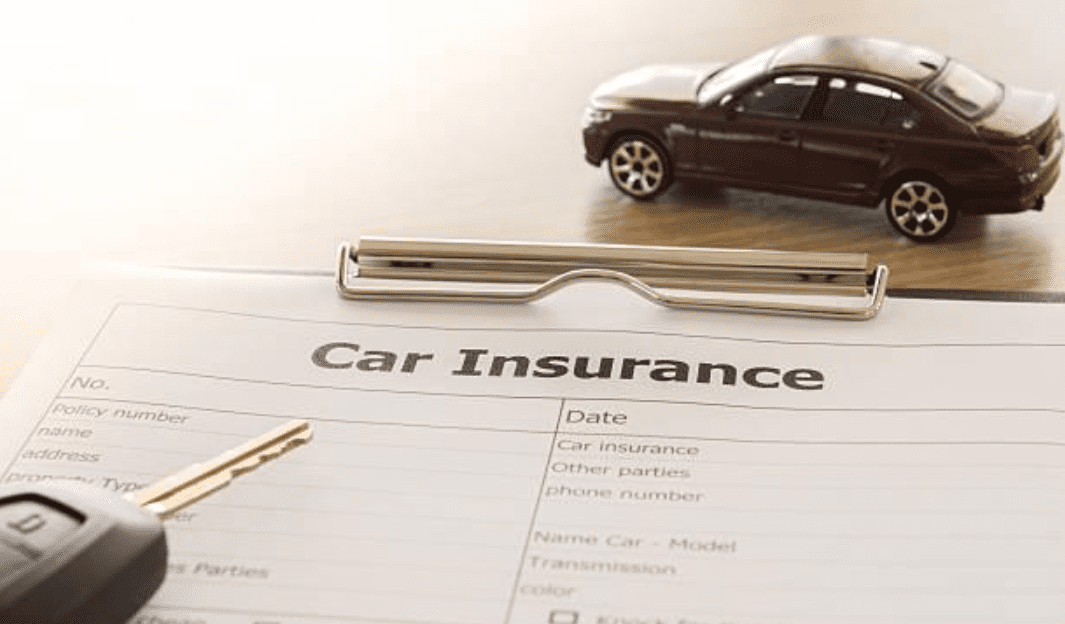
Car accidents sometimes involve drivers who are not the actual owners of the vehicle. This can create confusion about whose insurance policy will apply after the crash. In many situations, the answer depends on whether the driver had permission to use the vehicle. This is where permissive use car insurance becomes important in understanding how coverage works.
Permissive use car insurance generally applies when a vehicle owner allows another person to drive their car and that driver causes an accident. In these situations, the vehicle owner’s insurance policy is usually the first to provide coverage for damages or injuries. Understanding how this rule works can help drivers know what to expect if an accident happens while someone else is driving their car.
What Permissive Use Means in Car Insurance
Permissive use refers to a situation where the owner of a vehicle gives someone permission to drive their car.
This permission can be spoken or implied. For example, if a friend borrows your car to run an errand and you agree, that person is considered a permissive driver.
In most cases, car insurance policies follow the vehicle rather than the driver. This means the owner’s insurance policy is usually the primary coverage if an accident occurs.
Because of this rule, permissive drivers may still be covered under the vehicle owner’s insurance policy.
How Coverage Typically Works After an Accident
When a permissive driver causes an accident, the vehicle owner’s insurance usually provides the first level of coverage.
This coverage may pay for damages to other vehicles, medical expenses for injured people, and property damage depending on the policy limits.
If the damages exceed the owner’s coverage limits, the permissive driver’s own insurance policy may act as secondary coverage. However, this depends on the specific terms of the policies involved.
Because multiple insurance policies may be involved, claims can sometimes become more complex in these situations.
Situations Where Permissive Use May Not Apply
Although permissive use coverage exists in many policies, it does not apply in every situation.
If a driver takes a vehicle without permission, the insurance company may deny coverage for the accident. This situation is often considered unauthorized use of the vehicle.
Additionally, some policies may exclude certain drivers from coverage. For example, a household member with a poor driving record may be specifically excluded from the policy.
In these cases, the insurance company may refuse to provide coverage if the excluded driver causes an accident.
Why Permission Matters for Accident Claims
 Permission plays a major role in determining which insurance policy applies after a crash.
Insurance companies often investigate whether the driver truly had permission to use the vehicle. They may review statements, communication between the owner and driver, and other details surrounding the situation.
If the insurer confirms that the driver had permission, the owner’s insurance policy may be responsible for covering damages.
However, if permission cannot be proven, the claim may become more complicated and may even lead to legal disputes.
The Impact on the Vehicle Owner
Vehicle owners should understand that lending their car also means sharing some insurance responsibility.
If a permissive driver causes a serious accident, the owner’s insurance policy may be used to pay for damages. This could potentially lead to higher insurance premiums when the policy renews.
Because of this, many experts recommend only lending vehicles to drivers who are responsible and trustworthy.
Being careful about who drives your car can help reduce the risk of insurance problems later.
How Drivers Can Protect Themselves
Both vehicle owners and drivers can take steps to avoid confusion about insurance coverage.
Vehicle owners should review their insurance policies to understand how permissive use coverage works. Knowing the limits and exclusions can help prevent unexpected issues after an accident.
Drivers should also make sure they have their own insurance coverage whenever possible. Having personal coverage can provide an extra layer of protection if they are involved in an accident while driving someone else’s car.
Understanding these rules ahead of time can make accident claims easier to handle.
Key Takeaways
- Permissive use occurs when a vehicle owner allows someone else to drive their car.
- The vehicle owner’s insurance policy is usually the primary coverage in these situations.
- The driver’s own insurance may sometimes provide secondary coverage.
- Coverage may not apply if the driver used the vehicle without permission.
- Some policies exclude certain drivers from coverage.
- Lending your car can affect your insurance if an accident occurs.
- Reviewing insurance policies helps drivers understand their coverage.