Most of the time, we don’t stop and label things as “art.” We just live with them. We wake up, move through our homes, put on music, scroll through images, notice colors we like and spaces we don’t. But all of that; whether we think about it or not, is tied to the importance of art in human life.
Art isn’t something added on top of living. It’s already there, woven into how we experience the world. The way a room feels, the way a song changes your mood, or the way a simple image sticks in your mind longer than it should, those moments aren’t accidental.
They’re part of how humans process life.
Art Shows Up in Ordinary Places
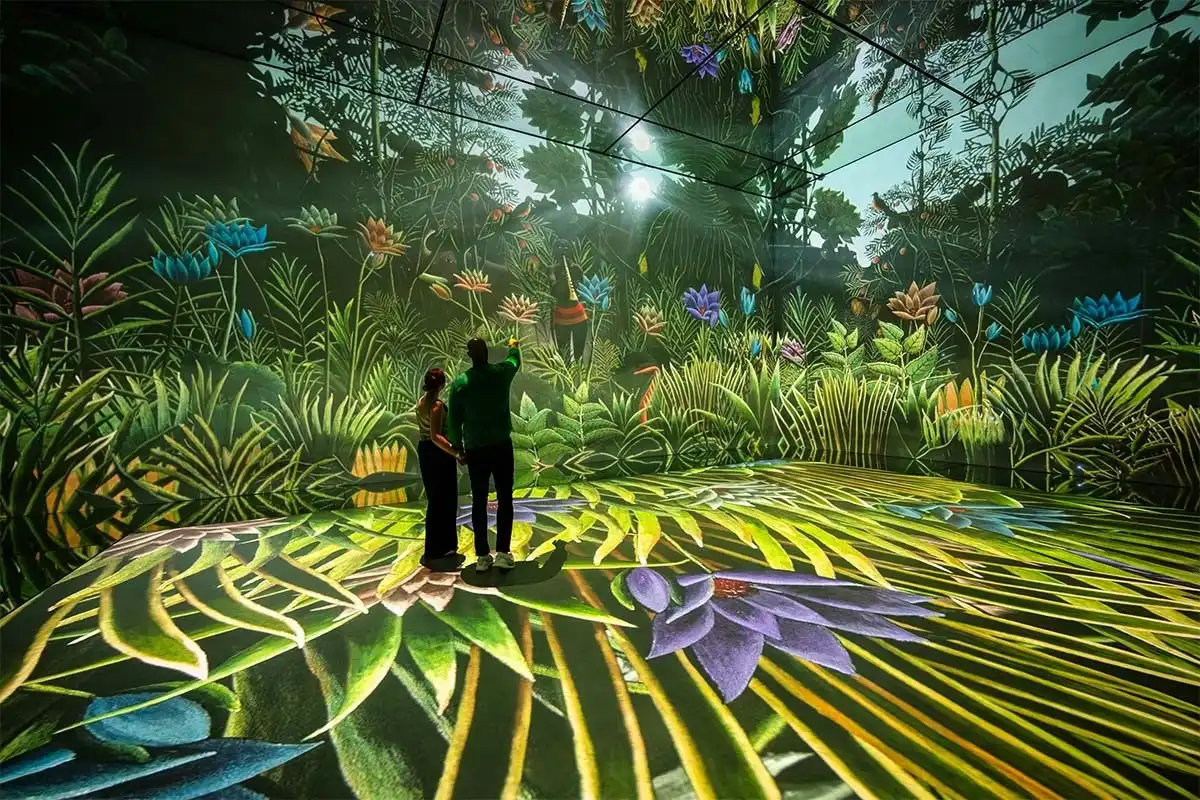
When people hear the word “art,” they often think of museums or famous paintings. But that’s only a small part of the picture. The real importance of art shows up in everyday choices.
Think about:
- The colors you feel comfortable around
- The way certain spaces make you feel calm or tense
- The music you turn to without thinking
- The objects you keep because they “feel right”
None of that happens randomly. Art influences how we feel safe, focused, or relaxed. It helps organize chaos in small ways, which is something we don’t talk about enough.
This is where art and mental health quietly overlap. The environments we surround ourselves with can either support us or drain us, and art plays a big role in that balance.
Consuming Art Is Emotional, Not Passive
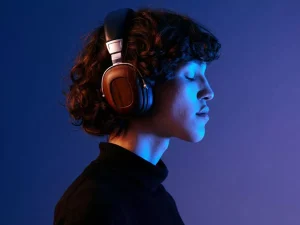
Watching a movie, listening to music, reading a story, these aren’t just ways to pass time. They’re ways to process emotion without having to explain ourselves.
Sometimes you don’t want advice. You just want to feel understood. Art does that without asking questions.
That’s one of the reasons art and mental health are so closely connected. Art gives emotions a place to land. It helps us release tension, reflect on experiences, and feel less isolated in what we’re going through.
The importance of art here isn’t about learning something new. It’s about recognition. Seeing yourself in something someone else created can be grounding in a way that’s hard to describe but easy to feel.
Creating Art Changes the Experience Completely
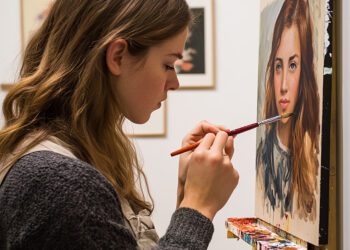
There’s a difference between watching creativity and participating in it. Creating art pulls you out of your head and into the moment. You stop thinking five steps ahead. You focus on what’s in front of you.
That shift matters.
This is where art and mental health become very real for a lot of people. Creating something; even something simple, slows the mind down. It gives your attention a single place to rest.
The problem is, many people talk themselves out of creating before they even try. They assume art requires talent, training, or confidence they don’t have. But that belief misses the point.
The importance of art isn’t tied to skill. It’s tied to participation.
Art Doesn’t Need to Be Complicated
Not everyone wants to stare at a blank canvas and figure things out from scratch. For many people, structure actually makes creativity more enjoyable.
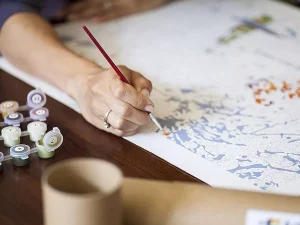
That’s why guided creative activities exist. Things like paint by numbers remove the pressure of decision-making. You don’t have to guess colors or worry about doing it “right.” You just follow along and let your hands do the work.
For a lot of people, this kind of structure is what makes art feel possible. And from an art and mental health perspective, that matters. When creativity feels accessible, it becomes relaxing instead of stressful.
The importance of art isn’t about originality or recognition. It’s about giving yourself a space where mistakes don’t matter.
Why Art Helps When Life Feels Heavy
Art doesn’t fix problems, but it helps you sit with them. And sometimes that’s exactly what’s needed.
Creative activities help:
- Slow racing thoughts
- Reduce stress without effort
- Improve focus without pressure
- Build patience and emotional awareness
These effects explain why art and mental health are often discussed together. Art gives the brain a different kind of work, one that’s engaging but not demanding.
Over time, people who make space for creativity tend to notice small changes. They feel more grounded. More patient. Less overwhelmed by perfection.
That’s part of the long-term importance of art, it teaches us how to be okay with process, not just outcomes.
Bringing Art Into Everyday Life (Without Overthinking It)
You don’t need hours of free time or special equipment to make room for art. In fact, smaller habits usually work better.
That might mean:
- Keeping creative materials nearby
- Spending short, screen-free time creating
- Choosing calming creative activities over constant scrolling
When art becomes part of routine life, its benefits compound. The importance of art grows when it’s no longer treated as something special or rare.
And from an art and mental health standpoint, consistency matters more than intensity.
Art Is Not Extra, It’s Human
Art has always existed because humans needed it. Long before productivity, before schedules, before technology, people created to understand themselves and the world around them.
That hasn’t changed.
The importance of art today isn’t about status or talent. It’s about balance. About having something that slows life down and gives emotions a place to exist without explanation.
Whether you’re consuming art, creating it freely, or using something guided like paint by numbers, the act itself matters more than the result.
At its core, art and mental health are connected because art reminds us to pause, feel, and stay human in a world that rarely slows down.
And sometimes, that’s enough.