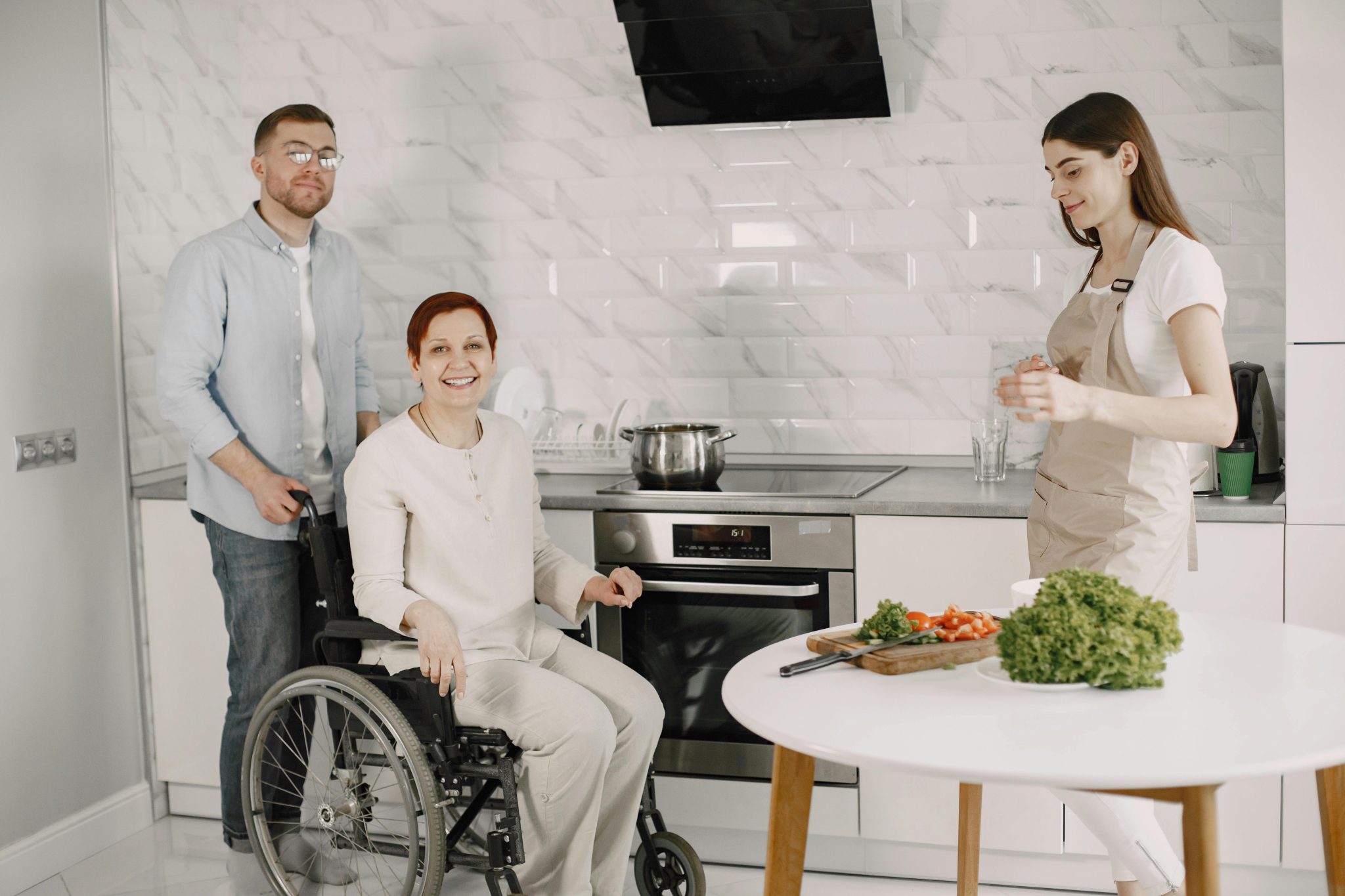
Deciding when to make the move to assisted living can be difficult. There are various factors to consider, which makes this decision a little bit more complicated, and you need to weigh your options. Knowing the signs and advantages can help individuals and families make the right choice.
Recognizing the Signs
A change in physical health is one of the signs that indicates someone may benefit from assisted living in Tucson. An increase in the number of falls, difficulty moving around easily, or the need for medical equipment could indicate that a person requires more assistance. These limitations can make daily activities more difficult, which can directly impact overall health.
Another important consideration is the cognitive changes. When someone is consistently forgetting things, confused, or struggling to get through a daily routine, this may be an indicator that they need more support in their lives. Disorientation can endanger their safety, so you must make sure they are in a secure environment.
Social isolation can be another reason. As a caregiver, if a closeness, detachment, or interest in past joys begins to drift away, it may indicate that it is time for assisted living. Being social is an important aspect of mental health and well-being.
Understanding the Benefits
Assisted living offers numerous advantages. The first advantage is safety: a secure environment and well-trained personnel are available 24/7. This way, families won’t have to worry about accidents in case of emergencies.
Personalized care is another benefit. Residents are provided with the support they need and are catered to on an individual basis. This personalized plan helps seniors maintain their independence while offering assistance with daily activities.
Some communities offer opportunities for socializing. It helps the residents build relationships with each other and a really good sense of belonging. This interaction is essential for improving emotional health and reducing feelings of loneliness.
Evaluating the Options
Selecting an appropriate facility requires careful consideration. Location is typically one of the most important factors, as being close to family and friends can help during the adjustment period. Visiting potential facilities and seeing the atmosphere actually gives you a little insight into their culture.
It is also necessary to assess the quality of care. Ask about staff qualifications, resident-to-staff ratios, and access to medical support. Knowing what level of care is provided means that your loved one’s needs will be catered to.
The amenities and activities available should also be taken into account. Facilities with various programs and services can help residents live a more enjoyable life. These can include fitness classes, art workshops, and social events.
Financial Considerations
It is important to have a good understanding of the expenses involved when planning for assisted living. Prices can differ widely depending on location, service, and amenities. Evaluate budget considerations and test pricing models.
There are also options for financial assistance and insurance options to relieve some of the costs. Assisted living may be covered by some long-term care policies and other forms of financial aid. Exploring these can offer more leeway financially.
Communicating With Loved Ones
Exploring assisted living options requires open and honest conversations. Families need to recognize the emotional complexity of the subject and discuss the topic with awareness and compassion. It is crucial to address concerns and preferences through a supportive dialogue.
Allowing the individual to have a say in what their future looks like can reduce anxiety while also providing a sense of control. The family can then find a way to work together towards a resolution that respects everyone involved.
Preparing for the Transition
Moving to assisted living requires careful preparation. Going through belongings, figuring out what you are going to bring, and making the new space organized can make the transition period less troublesome. All of this requires time, and a familiar environment is crucial for emotional adjustment.
Making friends with your staff and fellow residents can help you settle. For new residents, introductory programs and social gatherings allow them to feel more connected and build relationships.
Conclusion
Being aware of the symptoms, learning about the advantages, and considering alternatives can help families decide when to make the switch to assisted living. With thoughtful planning and honest discussions, the shift can make a healthier, more satisfying way of life possible.