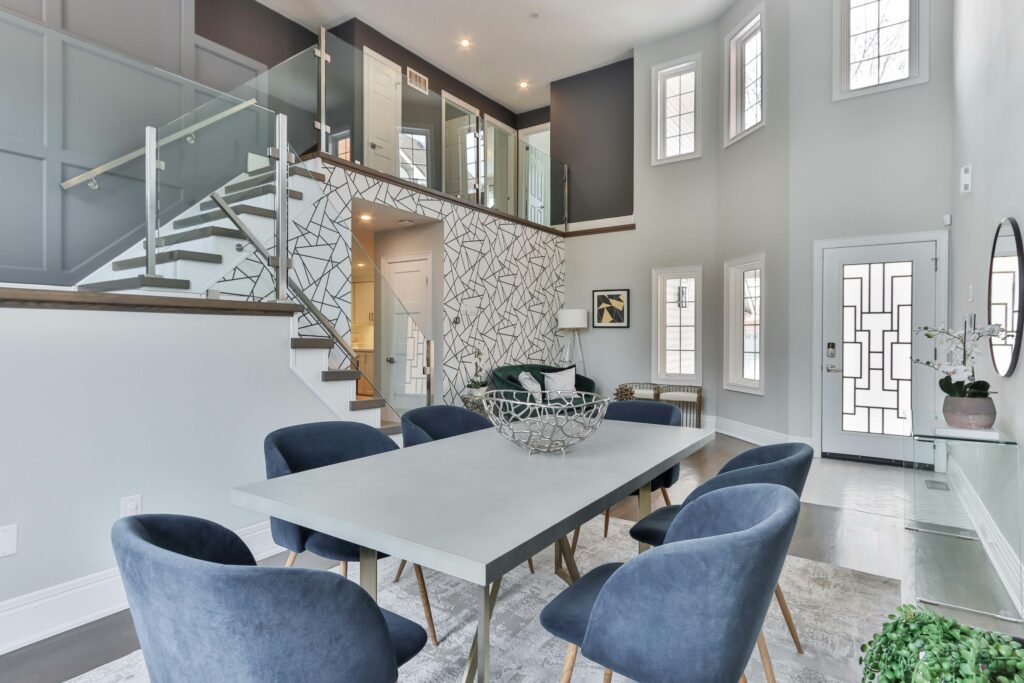
When choosing where to settle with your new-build home, it’s important to think beyond the property itself and understand how the location supports your lifestyle and future plans. The surrounding area fundamentally shapes daily experiences, long-term satisfaction and property value over time.
Transport Links and Daily Convenience
Reliable transport connections impact quality of life and property desirability. Proximity to railway stations, bus routes and major motorways reduces commute stress whilst expanding employment opportunities accessible within reasonable travel times. According to government statistics on commuting patterns, shorter journey times correlate with improved wellbeing and work-life balance. Future infrastructure developments, including HS2, Crossrail extensions or new metro lines, improve accessibility, often triggering increased property demand as completion dates approach. Areas benefiting from planned transport improvements typically experience value growth as buyers anticipate improved connectivity. Walking distance to stations allows car-free commuting, reducing household transport costs whilst supporting environmental goals.
Local Amenities, Services and Lifestyle Offerings
Convenient access to everyday amenities defines practical living quality. Nearby supermarkets, GP surgeries, pharmacies, dentists and post offices eliminate time-consuming trips for routine tasks. Schools within walking distance simplify family mornings whilst encouraging children’s independence as they mature. Parks, sports facilities, libraries and community centres support balanced lifestyles besides work commitments. Research shows that local amenities boost property values with buyers willingly paying premiums for convenience that improves daily life. Great high streets featuring independent shops, cafés and restaurants create community hubs promoting social connections.
Community, Safety and Neighbourhood Character
Neighbourhood atmosphere profoundly influences how welcome and comfortable residents feel. Low crime rates, visible community engagement and well-maintained public spaces signal areas where residents invest in collective wellbeing. According to ONS crime statistics, perceived safety affects residential satisfaction and property demand. Visiting locations at different times, like weekday mornings, weekend afternoons, or evening hours, reveals genuine neighbourhood character beyond estate agent descriptions. Active community groups, regular events and friendly interactions in local shops indicate cohesive populations where newcomers integrate successfully. Buyers exploring new build homes should assess whether areas match their lifestyle preferences and values beyond property specifications alone.
Future Growth, Demand and Long-Term Potential
Anticipated area development influences both immediate experiences and long-term value. Planned infrastructure, including new schools, healthcare facilities or retail developments, improves convenience whilst signalling council investment. Growing employment opportunities through business park expansions or regeneration projects increase local demand, supporting property values. Areas experiencing population growth due to new housing developments gain improved amenities as commercial services follow residential expansion. Economic indicators including employment rates, average incomes and housing demand trends predict future resilience.
Great locations combine convenient transport, comprehensive amenities, welcoming communities and promising future prospects. Evaluating these factors alongside property features ensures choices supporting both immediate lifestyle needs and long-term satisfaction.