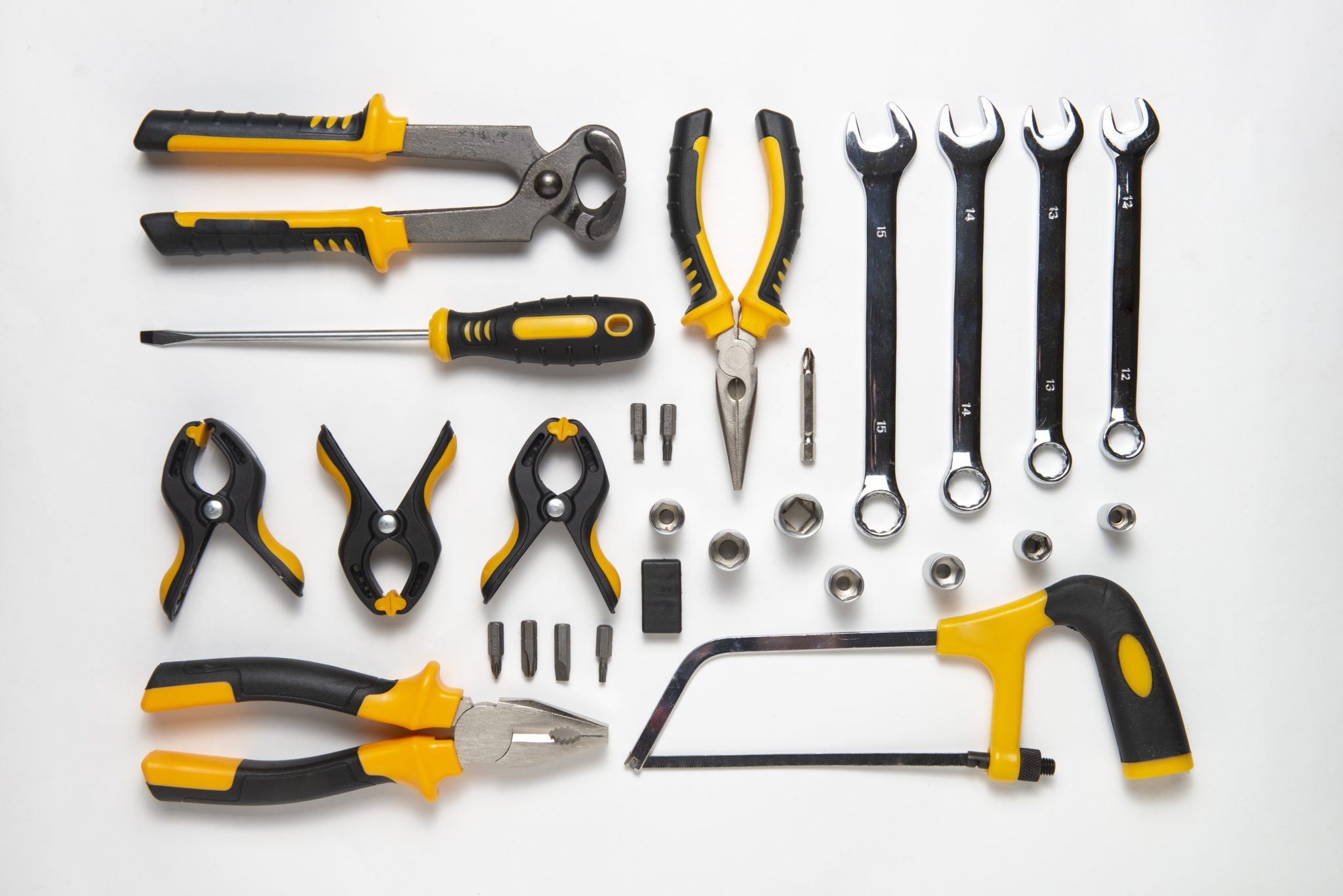
Whether you’re patching up something around the house or working on a weekend garden project, the hand tools you pick do make a difference. But walking into a store without a plan often means you’ll either buy tools you don’t need or miss out on better options. If you want to walk out with tools that work for you, this article will help you decide what you should consider before heading to the checkout.
Figure Out What You’ll Be Using
It’s easy to grab tools just because they look handy, but the smart move is knowing exactly what kind of work you’ll be doing. Fixing door hinges? You’ll probably need screwdrivers in a few sizes. Building flat-pack furniture? By thinking through your usual projects, you’ll avoid wasting money on tools you’ll barely use. You’ll also save time in the shop since you can skip anything that’s not fit for your tasks.
When You Shop Hand Tools, Take Your Time
There are loads of good hardware shop hand tools in Australia, from local independents to big chains. With so many choices, it’s worth taking a bit of time to compare what’s out there. Just because two hammers look the same doesn’t mean they feel the same once you hold them. Look at how they sit in your hand and see if the weight works for you, since that is helpful if you’re using the tool regularly.
Strong Build and Good Grip Matter
If you’re putting in the effort, go for ones made with materials like hardened steel, stainless steel, or high-grade carbon. Tools like pliers, wrenches, or hammers need to take a fair bit of stress, so the build needs to be reliable. Look for grips that are shaped to fit your hand and won’t slip, even if your palms get sweaty. Some come with rubber or textured coatings to make them comfortable and secure.
Keep an Eye Out for Safety Features
Not all hand tools are made with safety in mind, so keep in mind that it’s worth checking. Some tools now include things like finger guards or locking mechanisms, which can help you avoid injuries. If you’re picking up cutting tools, like utility knives or saws, make sure the blades are sturdy and don’t wobble. If something feels loose or wobbly in-store, it’s only going to cause more problems when you get to work.
Think About Long-Term Value, Not Just Price
Always remember that low-cost tools often wear out quicker, or worse, break when you need them most. You don’t always have to go for the top-shelf brands, but a decent middle-range product that’s well-made can last for years. However, if the brand offers one, it usually means they trust the quality. Some stores let you return tools if they don’t hold up well, so it’s worth checking that before you buy.
A Few More Handy Tips When Shopping Hand Tools
Take note that once you’ve covered the basics, like build, grip, and price, don’t forget that there are still a few extra things that may make shopping easier. If you are new to this, it is important to take a look at the following simple yet important handy tips:
- If starting fresh, buying a toolkit can save you money compared to picking each item one by one
- Ask staff if the brand has spare parts, since they come in handy when something needs replacing
- Check that the tools meet the standards, and it must have labels showing this on the packaging
- If you’re unsure, see if the store lets you try the tool or return it if it doesn’t work out
Get Tools That Work With You, Not Against You
Buying hand tools is about getting the right gear that helps you do your work safely, comfortably, and efficiently. Don’t forget that when you know what you need, take time to try before you buy, and focus on quality over just saving a few bucks, you’ll end up with tools that help, not hinder you. So the next time you’re in a hardware store, make sure to take a moment to think through your choices.