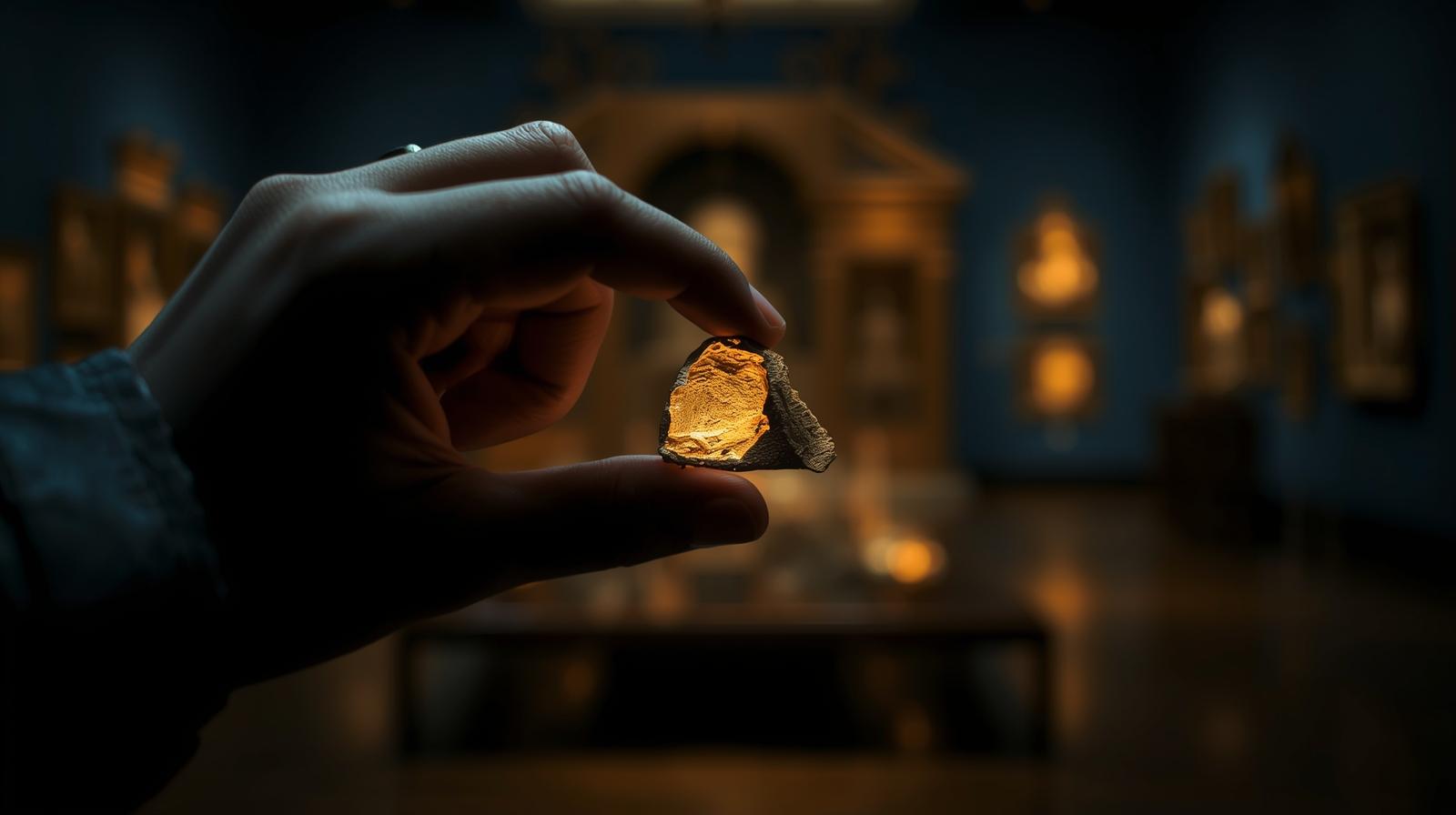
Ancient art markets occupy a unique intersection of cultural heritage, artistic value, and historical intrigue. Unlike contemporary art, ancient artifacts carry layers of context: ritual use, societal significance, material scarcity, and often unmatched craftsmanship. For first-time buyers, navigating this realm can feel both exhilarating and intimidating.
Yet with the right knowledge, collectors can make informed decisions that enrich their personal collections while respecting ethical and legal frameworks. However, before acquiring your first piece of ancient art, it’s essential to understand how these markets function and what informs value, legitimacy, and long-term significance.
Having said that, below are key practical insights that every newcomer to ancient art markets should know. So, without any further delay, dive into the article!
1. Distinguish Between Provenance and Provenance Claims
One of the defining factors of value in ancient art is provenance — the documented history of ownership. Provenance helps confirm authenticity and provides legal traceability. For first-time buyers, learning how to read and evaluate provenance documentation is foundational.
However, it’s also critical to differentiate between verified provenance and provenance claims. Some sellers may offer attractive narratives — such as “collected decades ago from family estates” or “once part of a private European collection” — without supporting documentation.
Hence, when evaluating provenance:
- Ask for clear paperwork dating back to the earliest known source.
- Look for documentation from reputable institutions, appraisals, or published catalogs.
- Be wary of vague or unverifiable histories.
Ultimately, authentic provenance increases both historical significance and market value, whereas gaps or inconsistencies invite risk.
2. The Role of Reputable Dealers and Marketplaces
Navigating ancient art markets independently can expose first-time buyers to unnecessary risk. However, reputable dealers and established marketplaces play a critical role in maintaining transparency, legality, and academic integrity within the trade.
They do more than simply list artifacts — they provide context, documentation, and professional oversight. Instead of encountering isolated objects with limited background, buyers can review provenance details, condition reports, and cultural attributions before making a decision.
For example, trusted platforms such as Relic & Rarity present documented collections of ancient pre-Columbian artifacts, ensuring that each item is cataloged with historical context and sourcing clarity. Within such curated environments, buyers may encounter ceremonial ceramics or finely crafted anthropomorphic figures, all accompanied by a descriptive background that supports informed acquisition.
This structured presentation offers several advantages:
- Greater transparency in provenance.
- Access to academically contextualized artifacts.
- Clear documentation standards.
- Guidance on preservation and long-term care.
For newcomers, especially, purchasing through vetted sellers reduces uncertainty and reinforces ethical collecting practices. In ancient art markets, where authenticity and legality are paramount, the credibility of the marketplace is often as important as the artifact itself.
3. Understand Authenticity, Fakes, and Reproductions
In ancient art markets, the difference between a genuine artifact and a convincing reproduction can be subtle. Materials age, patinas develop, and wear patterns appear — but skilled forgers can mimic these features.
For example, many ancient cultures produced figurative sculptures and ceremonial objects designed with human characteristics to convey spiritual, ritualistic, or symbolic meaning. Even slight stylistic deviations in form, posture, or detailing can dramatically affect legitimacy and value.
First-time buyers should know:
- Scientific testing (radiocarbon, thermoluminescence) can validate age.
- Expert consultations reduce the risk of acquiring reproductions.
- Stylistic analysis grounded in scholarly research adds historical context.
- Fakes often lack convincing wear patterns or show inconsistent tool marks.
Never rely solely on visual impressions or verbal assurances. Investing in third-party verification — especially for high-value purchases — protects both the buyer and the integrity of the market.
4. Long-Term Value and Market Liquidity
Ancient art markets behave differently from contemporary art or financial assets. Liquidity — the ease of resale — depends on:
- Rarity and demand.
- Documentation strength.
- Cultural significance.
- Condition.
Some ancient artifacts maintain steady market interest over decades, while others are more niche. First-time buyers should approach purchases with both passion and prudence, recognizing that not all pieces will appreciate at the same pace or resell easily.
Market liquidity is especially important if you plan to:
- Rotate pieces within your collection.
- Sell through auction houses or dealerships.
- Leverage the collection in estate planning.
Approaching purchases with a long-term mindset — rather than speculative urgency — generally yields better outcomes.
To Sum It All Up!
Ancient art markets are rich with intellectual intrigue, cross-cultural narratives, and lasting aesthetic appeal. First-time buyers entering this world should balance passion with informed diligence. Understanding provenance, authentication, legal frameworks, market forces, and long-term care protects both the collector and the heritage embodied in each piece.
Rather than viewing ancient art solely as a commodity, approaching it with respect for its history deepens appreciation while ensuring responsible stewardship. Thoughtful participation supports cultural legacy and sustains vibrant, ethical markets for generations to come.