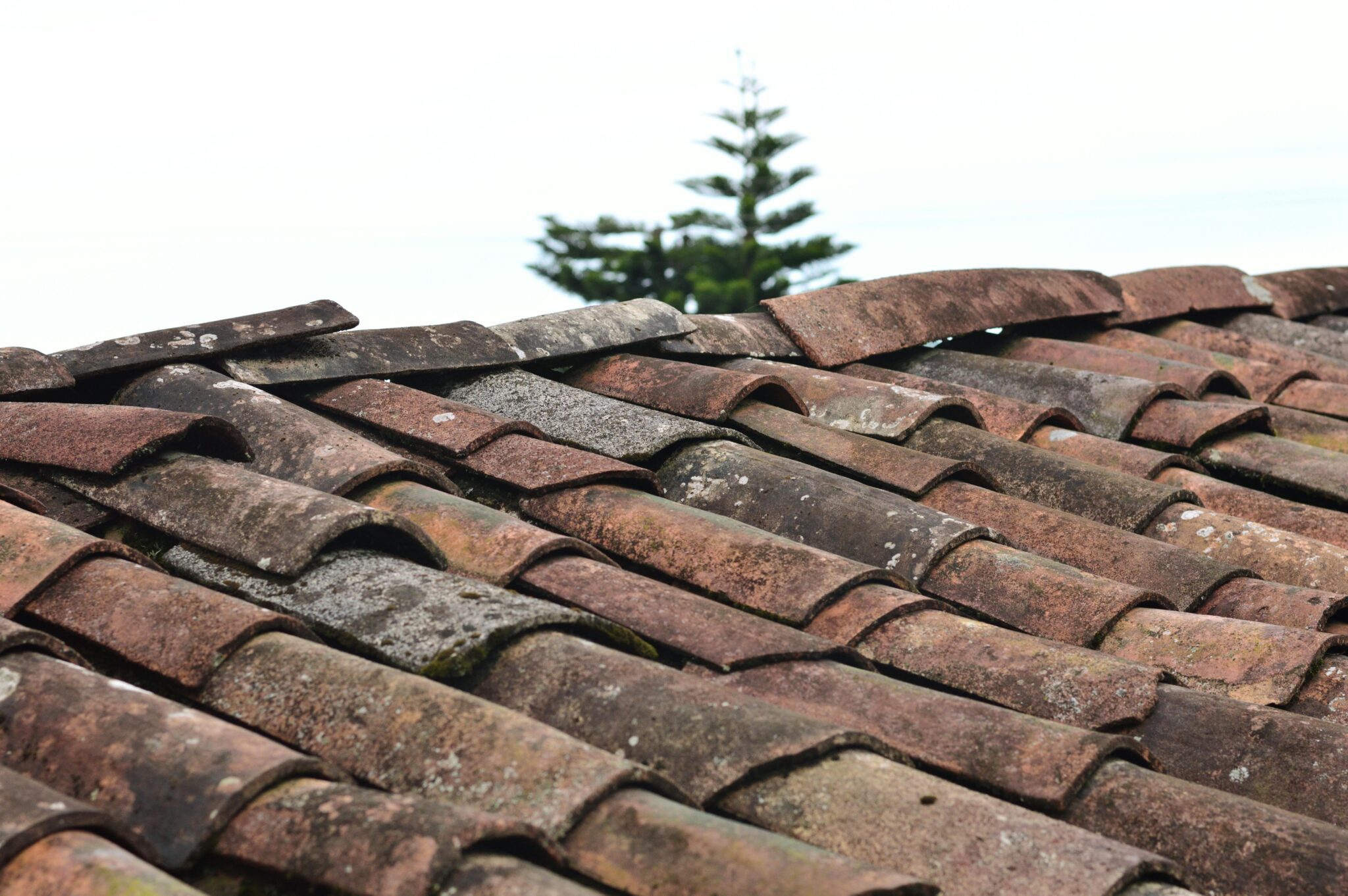
Winter takes a heavy toll on roofs throughout Jackson, MI. The combination of snow, ice, and freezing temperatures creates conditions that lead to multiple types of damage. As spring arrives and temperatures warm up, homeowners often discover problems that developed during the cold months.
Jackson homes typically face several common roof issues in early spring, including damage to shingles from snow and ice, leaks caused by ice dams, clogged gutters full of debris, cracks in roof membranes from temperature changes, and loose flashing around chimneys and vents. These problems require prompt attention to prevent further damage. Many of these issues start small but can grow into major structural concerns if left unaddressed.
Early spring offers the best opportunity to inspect and repair winter damage. The mild weather makes it easier to spot problems and complete necessary repairs before spring rains and summer storms arrive. Homeowners who schedule inspections during this time can catch issues early and avoid costly repairs later.
Shingle damage caused by heavy winter snow and ice accumulation
Jackson residents often discover shingle problems after the winter season ends. Heavy snow can put significant weight on roofs, potentially weakening the structure beneath the shingles. As temperatures rise and fall, the freeze-thaw cycle causes shingles to crack and lift.
Ice dams form another major threat to shingles in this area. These occur as snow melts from heat loss through the attic, then refreezes at the roof’s edge. The ice creates a barrier that blocks water from draining properly. Water backs up under the shingles and seeps into the home, which leads to leaks and interior damage.
Homeowners should inspect their roofs for missing or curled shingles after severe winter weather. A roofing company in Jackson MI by Roach Home can identify damage early and prevent small issues from becoming expensive repairs. Cracked shingles allow moisture to penetrate the roof deck, which compromises the entire system.
Regular maintenance helps extend the life of shingle roofs. Property owners who address winter damage quickly protect their homes from further deterioration and costly water damage.
Leaks due to ice dams forming along the roof edges
Ice dams create serious problems for Jackson homes as winter ends and early spring arrives. These ridges of ice form at roof edges and prevent melted snow from draining properly off the roof. As a result, water pools behind the dam and seeps under shingles.
The damage occurs because warm air from inside the home rises to the attic and heats the roof deck. This melts snow on the upper portions of the roof. However, the water refreezes at the colder roof edges, which creates the dam. More snow melts, and water backs up behind this barrier.
Homeowners may notice water stains on ceilings or walls near the roofline. Icicles along the eaves often signal that an ice dam has formed. The trapped moisture can damage insulation, rot wood framing, and lead to mold growth inside the home.
Professional steam removal offers the safest solution for established dams. Homeowners can also use a roof rake to clear snow from edges before it melts and refreezes.
Clogged gutters from melting snow and debris buildup
Gutters face serious problems in early spring as snow begins to melt. The combination of leftover winter debris and melting ice creates blockages that prevent water from flowing properly. Leaves, twigs, and dirt that accumulated during fall often remain trapped under snow all winter.
As temperatures rise, snow on the roof melts and runs into the gutters. However, debris blocks the path and forces water to back up. This backup can seep under the roof shingles, causing leaks inside the home. The water may also overflow and damage siding or foundation walls.
Ice can form again during cold nights, worsening the problem. The freeze-thaw cycle creates ice dams that trap even more water behind them. Homeowners should inspect gutters before spring arrives and remove any debris.
Regular maintenance helps water flow freely through the system. Clean gutters protect the roof, walls, and foundation from water damage during the critical spring thaw period.
Roof membrane cracks from freeze-thaw temperature cycles
Jackson, MI, experiences frequent temperature swings in early spring. Daytime temperatures rise above freezing, melting snow and ice on roofs. However, temperatures drop below freezing at night.
This cycle creates serious problems for roof membranes. Water from melted snow seeps into small gaps in the membrane. The water then freezes overnight and expands. As ice expands, it forces the membrane to crack, creating larger openings.
The process repeats itself day after day. Each cycle allows more water to enter the roof system. The membrane develops bigger cracks and gaps over time.
Flat and low-slope roofs are most susceptible to damage from freeze-thaw cycles. The water sits on these roofs instead of draining quickly. This gives moisture more time to penetrate the membrane before it freezes again. Roof materials lose their ability to protect the home as they deteriorate from repeated expansion and contraction.
Missing or loose flashing around chimneys and vents
Flashing serves as a protective barrier where chimneys and vents meet the roof surface. This thin metal material directs water away from these vulnerable points. However, Jackson’s freeze-thaw cycles can loosen or damage flashing over time.
Metal flashing expands and contracts as temperatures change. Ice buildup can lift flashing edges and break the seal that keeps water out. As a result, gaps form between the flashing and the roof or chimney.
Homeowners often discover these problems after spring rains cause leaks. Water seeps beneath shingles and travels down into the home. The damage may appear on ceilings or walls far from the actual leak source.
Missing or loose flashing requires prompt attention to prevent further damage. Small gaps allow moisture to penetrate the roof decks and insulation. Over time, this leads to rot and mold growth inside the home’s structure.
Regular inspections help identify flashing problems before leaks develop. Look for rust, gaps, or lifted edges around chimneys and vent pipes after winter ends.
Conclusion
Early spring puts significant stress on roofs throughout Jackson, MI. Homeowners face issues that range from ice dam damage and shingle problems to clogged gutters and flawed ventilation systems. These problems develop from the area’s harsh winter conditions and unpredictable temperature changes. Regular inspections help property owners catch small issues before they turn into expensive repairs. Residents who address these common concerns early protect their homes and extend the life of their roofs.