Many people feel drawn to tiny homes but hesitate for one reason: they worry it won’t feel like a real place to live. The fear isn’t about square footage alone. It’s about comfort, privacy, routine, and whether daily life will feel normal or constantly cramped. A home should support how you live, not make simple tasks harder. That concern is valid, and it’s why some tiny homes feel welcoming while others feel unfinished or stressful. The difference usually comes down to design choices, not size. When a small space works well, it feels settled, comfortable, and easy to live in. When it doesn’t, every movement feels forced. Understanding what creates that sense of “home” helps people decide whether tiny living can truly fit their life instead of feeling like a short-term experiment.
A sense of stability and long-term use
Tiny homes feel real when they support long-term living instead of short stays. Structural strength, proper utilities, and thoughtful design all contribute to that feeling. When plumbing, electrical systems, and appliances function like those in traditional homes, people trust the space. Stability also comes from design choices that age well rather than follow short-lived trends. A home that feels durable encourages residents to settle in and plan for the future. This sense of permanence helps shift tiny living from an experiment to a lifestyle. When a home supports routine and long-term comfort, it feels dependable and grounded.
Financial ease that lowers daily stress
Feeling at home also depends on financial comfort. When housing costs stay manageable, people worry less and enjoy their space more. Smaller homes often come with lower ongoing expenses, which helps reduce financial pressure. This is one reason many people explore affordable tiny homes as a long-term option rather than a short-term solution. When monthly costs align with income, the home feels supportive instead of stressful. Financial balance allows people to focus on daily life, not constant budgeting concerns. A home that supports stability, both physically and financially, feels easier to settle into and maintain over time.
Light that changes how space feels
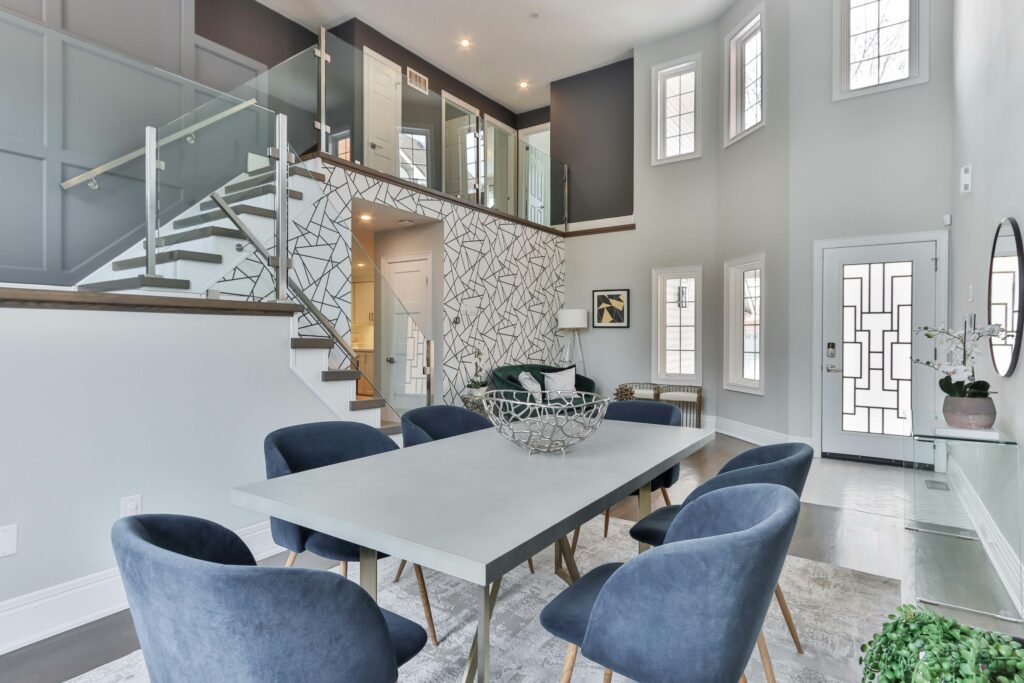
Natural light plays a major role in how a home feels, especially in a small footprint. A well-lit space feels open, calm, and inviting. Poor lighting makes even well-designed homes feel tight and dull. Windows placed at eye level and near gathering areas help a space feel connected to the outdoors. Light also affects mood and focus throughout the day. When a tiny home gets enough daylight, it feels less confined and more balanced. Artificial lighting matters too, but it should support different activities like cooking, reading, and resting. Good lighting design helps a small home feel comfortable at all hours, not just during the day.
Storage that works with the home
Storage determines whether a tiny home feels peaceful or cluttered. The key is built-in storage that fits the space instead of bulky furniture added later. When storage feels planned, belongings stay organized and easy to access. This reduces daily stress and saves time. Good storage uses vertical space, under-floor areas, and unused corners without making the home feel crowded. Poor storage forces people to stack items in visible areas, which quickly makes a small home feel messy. A home feels real when everything has a place and stays there. Smart storage supports daily life instead of becoming a constant challenge.
Comfort features that actually matter
A tiny home feels like a real home when it handles basic comfort well. This includes a functional kitchen, a usable bathroom, and space to sit and relax without rearranging furniture. Features don’t need to be large, but they must be practical. A sink that’s too small or a shower that feels cramped can make everyday life frustrating. Comfort also comes from reliable heating, cooling, and ventilation. When these basics work smoothly, people stop thinking about the size of the home. They focus on living. Homes that prioritize comfort over novelty feel stable and livable, even when they are small.
Temperature control that supports daily comfort
A home doesn’t feel livable if it’s hard to keep warm in winter or cool in summer. Tiny homes need proper insulation, ventilation, and heating and cooling systems sized for the space. When the temperature stays consistent, daily life feels predictable and comfortable. Drafts, uneven airflow, or poor insulation quickly make small spaces uncomfortable. Good temperature control also helps manage moisture, which protects the home and improves air quality. When these systems work quietly and efficiently, people stop thinking about them. That sense of ease helps a tiny home feel complete rather than experimental. Comfort should feel automatic, not like a daily adjustment.
Personal touches without visual overload
A tiny home should reflect the person living in it, but too many decorative items can overwhelm the space. Personalization works best when it’s intentional. Choosing a few meaningful pieces, calming colors, and simple textures helps create warmth without clutter. Built-in finishes like cabinet color, flooring tone, and hardware choices often make a bigger impact than extra décor. When personalization feels balanced, the home feels lived-in rather than staged. This approach also makes cleaning and organizing easier. A space that feels personal yet calm helps people relax at home. Comfort comes from familiarity, not from filling every surface.
A tiny home feels like a real home when it supports everyday life without constant effort. Comfort, layout, light, storage, and build quality matter more than square footage. When each choice focuses on how people live, the space feels calm, stable, and complete. Tiny homes don’t need excess features to feel livable. They need thoughtful design, dependable systems, and a sense of permanence. When those elements come together, size fades into the background. What remains is a home that feels practical, personal, and easy to live in.