Cars collect tiny stories every time they leave the driveway. A pebble here. A bug there. A mysterious scratch that no one remembers creating but somehow exists anyway. Road life is messy like that.
Which is exactly why many drivers start wondering about paint protection film, and more specifically, what actually happens after it’s installed.
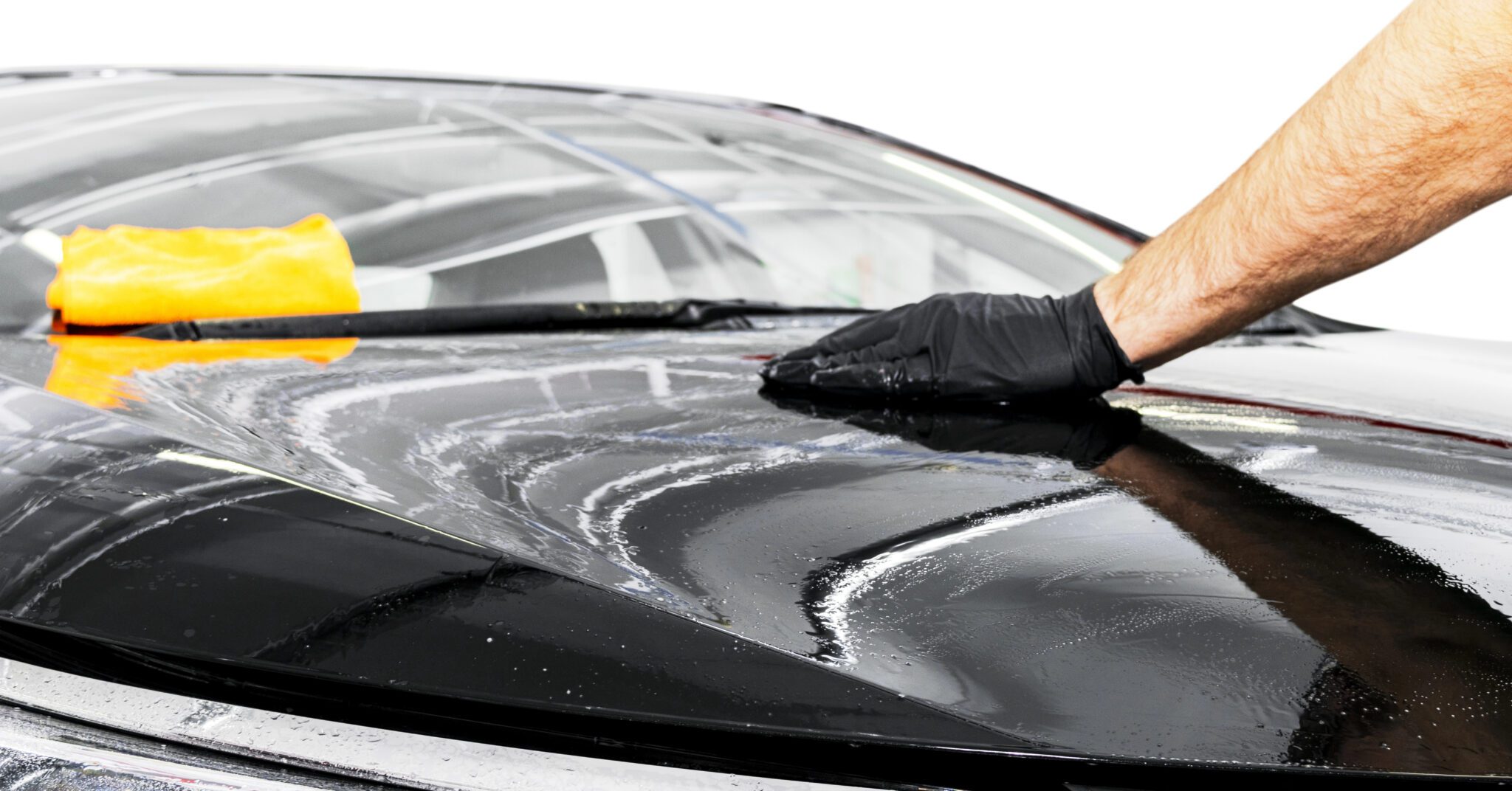
From the outside, it looks almost like nothing happened. The car appears exactly the same. Same color. Same shine. Same body lines. Yet underneath that invisible layer sits a flexible shield quietly absorbing the small chaos of everyday driving.
Understanding how PPF protects car paint isn’t particularly complicated. But it is surprisingly interesting once you realize how much damage modern vehicles avoid simply because of a thin, transparent film doing its quiet job.
And yes, it’s thinner than most people imagine.
How PPF Protects Car Paint
Paint protection film is typically made from thermoplastic polyurethane, a flexible material engineered to absorb impacts and resist environmental wear.
That sentence sounds technical. In practice it behaves more like an invisible armor jacket for your car. Instead of debris hitting painted metal directly, it hits the film first.
Which changes everything.
Flexible material absorbs small impacts
Polyurethane behaves like a shock absorber. When small debris hits the vehicle, the film flexes slightly rather than cracking. Energy disperses across the surface instead of focusing damage in one spot, the impact spreads through the film.
This is why small rocks that would normally chip paint often leave no visible mark. Physics quietly doing its thing. Roads are rough on paint. PPF softens that reality.
Protection against environmental contaminants
Road damage doesn’t only come from rocks. There’s also everything else floating around outside.
Bird droppings and bug residue are acidic materials that can stain paint and are less harmful when they land on PPF. Road salt and grime are another chemical trouble. Winter driving introduces chemicals that slowly degrade exposed paint.
Tree sap and industrial fallout are sticky contaminants that are easier to remove from film than from paint.
In other words, PPF doesn’t just protect against impact damage. It also acts as a barrier against the slow chemical wear that most people rarely think about. Until they notice fading.
Self-healing technology removes light scratches
This is the part people find oddly satisfying. Many modern films include self-healing properties.
Light scratches disappear with heat. Sunlight or warm water causes the film’s top layer to relax and smooth itself out. Minor swirl marks gradually fade. Over time the surface resets, returning to its original smooth finish.
It almost feels like the car repairs itself. Not perfectly. But enough to make people smile the first time they see it happen. Drivers interested in learning more about vehicle paint protection film often explore professional installations that use advanced self-healing materials.
Where Paint Protection Film Is Usually Installed
Interestingly, most cars don’t receive full-body PPF coverage at first. Instead, installers focus on the areas that suffer the most abuse during normal driving.
Once you notice where damage tends to occur, the logic becomes obvious.
Front bumper and hood
Most direct road debris impact happens here. The bumper and hood face forward into the airflow. Highway driving increases exposure. Small rocks thrown from tires ahead often strike these surfaces first.
Partial PPF packages often start with these areas. They take the beating.
Side mirrors
Mirrors stick out from the vehicle body, which means they catch more flying debris than you might expect.
Constant exposure to road particles means small impacts that gradually mark the surface. Limited surface area makes protection easy. Installing film here provides immediate protection.
Small area. Big difference.
Door edges and handles
Door handles collect scratches in a different way. Human contact.
Rings, keys, and fingernails create swirl marks. These tiny scratches build up over time. Door edges often hit walls or other doors. PPF helps soften those small accidental impacts.
These areas are surprisingly vulnerable. Mostly because people forget they exist.
Rocker panels and lower fenders
These parts of the vehicle sit closest to the road surface. Which means debris constantly bounces upward into them.
Gravel and dirt strike the lower panels. Especially during highway or rural driving. Water spray carries sand particles. Over time this creates small chips in paint.
PPF prevents these impacts from reaching the paint layer. A simple solution to a common problem.
Benefits of Paint Protection Film for Car Owners
The technical explanation of PPF is interesting. But the real value shows up months or years later. When the paint still looks strangely new.
PPF preserves the original paint condition
Factory paint remains untouched underneath. The film acts as a protective barrier.
Paint defects accumulate more slowly. Chips, scratches, and swirl marks become less frequent.
This matters especially for newer vehicles. Owners want that “new car look” to last longer than a few months.
PPF reduces everyday wear
Daily driving introduces countless tiny hazards.
Road debris impacts become less damaging. The film absorbs much of the force. Minor scratches stay within the film layer. Instead of becoming permanent paint damage.
The difference becomes obvious over time. Cars without protection start showing age sooner.
PPF Maintains resale value
Vehicle buyers notice the paint condition quickly. Even if they don’t consciously realize it.
Well-preserved paint improves resale appeal. Fewer chips and scratches make a car look newer. Original factory paint remains intact. This is often preferable to repainting damaged areas.
PPF essentially preserves the vehicle’s exterior story before it becomes messy.
Invisible protection
Unlike some protective solutions, PPF doesn’t change how the car looks.
Clear film remains nearly invisible. When installed properly, it blends into the paint. Gloss and color remain unchanged. The ride keeps its original visual design.
Protection without altering aesthetics is one of the reasons enthusiasts appreciate PPF. The car still looks like itself.
Final Thoughts
Paint protection film works quietly.
Once installed, it doesn’t draw attention to itself. No flashing lights, no bright changes to the vehicle’s appearance. Just a transparent layer sitting calmly on the surface, absorbing impacts that would otherwise leave permanent marks.
Understanding how PPF protects car paint helps explain why it has become so popular among car enthusiasts and everyday drivers alike.
It prevents chips. It reduces scratches. It shields paint from environmental wear. And perhaps most importantly, it keeps the original finish looking newer for longer.
Which is something almost every car owner appreciates — even if they never notice the film doing its work. Sometimes the best protection is the kind you forget is there.
FAQ
What is paint protection film?
Paint protection film is a transparent polyurethane layer applied to a vehicle’s exterior surfaces to protect the paint from scratches, chips, and environmental damage.
How does PPF protect car paint?
PPF absorbs impacts from road debris and creates a protective barrier that prevents scratches, stone chips, and contaminants from reaching the paint surface.
Does paint protection film prevent scratches?
Yes. PPF significantly reduces minor scratches and swirl marks, and many modern films include self-healing properties that remove light scratches with heat.
How long does paint protection film last?
High-quality PPF typically lasts five to ten years, depending on driving conditions, maintenance, and the type of film used.
Is PPF visible on the car?
No. When professionally installed, paint protection film is nearly invisible and does not alter the color or finish of the vehicle.