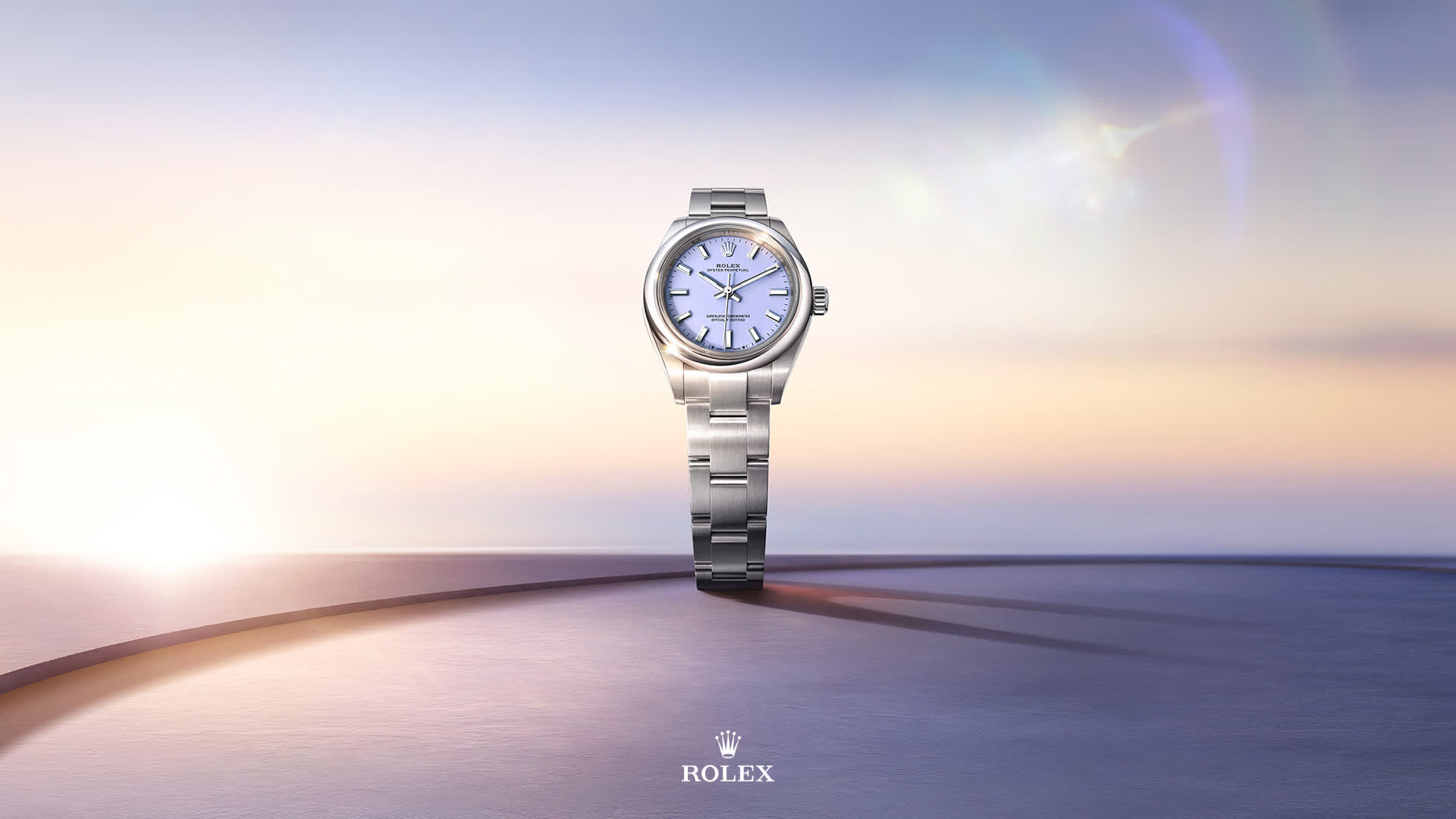
At some point, almost every Rolex owner asks the same question: “What is my Rolex worth?” That question is often the starting point of a larger decision. Moving from simple curiosity to a completed sale is a step-by-step process.
It involves understanding how the market views your watch, preparing it properly, and choosing a safe, reputable way to sell, whether that means working with a trusted Rolex buyer at Diamond Banc or exploring other options.
The Owner’s Journey Unpacked
The value of a pre-owned Rolex is not random. It rests on three core pillars:
- The strength of the Rolex brand
- The way supply and demand interact
- The story and documentation behind the individual watch
Understanding these pillars gives you a realistic view of what your Rolex may be worth.
1. The Power of the Brand
Rolex has built a global reputation for craftsmanship, durability, and prestige. That reputation creates a baseline of confidence for buyers. When someone buys a Rolex, even on the pre-owned market, they feel they are purchasing an asset with a strong record of value retention.
The brand stands for consistent quality and timeless design. Because of that, even older models remain desirable. This brand trust is the foundation of the pre-owned Rolex market and is one reason well-known models continue to command strong prices.
2. The Economics of Scarcity
Rolex does not flood the market. The company controls production and limits the supply of many popular references. As a result, demand often exceeds what is available.
This scarcity is why certain models, such as the stainless steel Daytona or GMT-Master II, can sell on the secondary market for more than their original retail price. When many buyers want a watch that few people are willing or able to sell, the market price responds. This is a central reason some owners view their Rolex as a potential investment as well as a luxury item.
3. The Value of Story and Provenance
Two watches with the same reference and year can carry different value because of their history. That history is known as provenance.
Items that support provenance include:
- The original box
- Warranty card or papers
- Purchase receipt
- Service records
These documents provide proof of authenticity and a clear ownership timeline. They give buyers confidence that the watch is genuine and well cared for.
There is also the personal story. A Rolex that marked a promotion, an anniversary, or came from a family member has emotional value. While sentiment does not always translate directly into a higher price, provenance and a well-documented history often make a watch more attractive to the right buyer.
The Seller’s Path: From Question to Completed Sale
Once you understand what drives value, the path to selling your Rolex becomes more structured. You can think of it as three stages:
- Awareness and preparation
- Consideration and valuation
- Decision and transaction
Each stage has a clear purpose.
Stage 1: Awareness and Preparation
This stage begins when you decide to explore what your Rolex might bring in today’s market.
Initial research
Many owners start by looking at watch forums, marketplace listings, or recent auction results. This information provides a general sense of how certain models perform, but it is rarely a precise valuation. Asking “What is my Rolex worth?” in this phase is about building basic awareness.
Gathering assets
Next, gather everything related to the watch:
- Original box
- Warranty card or papers
- Purchase receipt
- Any service records or appraisals
These items help confirm authenticity and can increase the value a serious buyer is willing to pay.
Assessing condition
Look at the watch with a critical eye. Note scratches, dents, and any visible modifications. If you plan to request an online evaluation, take clear, well-lit photos from multiple angles. Honest photos help a buyer provide a realistic estimate without surprises later.
Stage 2: Consideration and Valuation
In this stage, you actively seek professional input and weigh your selling options.
Seeking expert valuation
A formal valuation from a trusted Rolex buyer or appraiser is essential. Reputable firms use:
- Exact model and reference
- Condition and originality
- Presence or absence of box and papers
- Current market data for comparable sales
This process gives you a realistic price range rather than a guess based only on asking prices you see online.
Comparing sales channels
Owners often consider three main paths:
- Specialist dealers and buyers. These offer speed, security, and immediate payment. Offers may be slightly lower than a perfect private sale scenario, but the process is simpler and safer.
- Auction houses. These can be appropriate for very rare or historically important pieces. Timelines are longer and fees can be high, so this option suits only certain watches.
- Peer-to-peer platforms. Private sales can sometimes yield higher prices, but they require more work and carry more risk. You take on responsibility for marketing, negotiation, authentication, and safety.
Building trust
At this stage, the quality of communication matters. A reputable buyer will break down how they arrived at their offer, outline any fees, and explain their shipping and inspection process. Clear answers and written terms are strong indicators that you are dealing with a professional.
Stage 3: Decision and Transaction
The final stage is choosing your path and completing the sale.
Finalizing the offer
After comparing valuations and channels, you decide which offer and which buyer best match your priorities. Some buyers may discuss alternatives such as consignment or trade-in, depending on your goals and the watch.
Managing logistics securely
Once you accept an offer, focus on safety and clarity. This includes:
- Insured shipping with tracking if you are selling remotely
- A clear inspection process when the buyer receives the watch
- A defined timeline and method for payment
Professional buyers provide insured labels, documented intake procedures, and prompt funding once your watch is authenticated and its condition is confirmed.
Completing the sale
A successful transaction ends with two things in place:
- The watch is now clearly in the buyer’s possession and name.
- You have received the agreed-upon funds in a secure, documented way.
At that point, your journey from “What is my Rolex worth?” to “I have completed a sale I feel good about” is complete.
Navigating the Rolex Market with Confidence
Understanding how Rolex value is built and how the selling process works turns an intimidating decision into a structured one. When you know how brand strength, scarcity, and provenance influence price—and when you prepare your watch and choose the right selling channel—you reduce uncertainty and protect yourself.
Working with a specialist buyer can simplify that journey. By combining expert valuation, current market insight, and a clear, secure process, you can move from initial curiosity to a final decision with confidence, whether you choose to keep your Rolex or move forward with a sale.